Jonas Keller
Resident Evil 2, Resident Evil 4, Dead Space, Silent Hill 2: the most successful horror games of recent years have strikingly often been remakes. Horror remakes have become the safest bet in the genre. Still, I don't think they push out new ideas. Quite the opposite.
As someone who mainly writes about horror, design and story at PlayInsider, every new remake announcement gives me two feelings at once: anticipation and distrust. Anticipation, because I enjoy experiencing classics in a new form. Distrust, because I wonder whether the industry is forgetting how to invent its own nightmares. Let's look at the numbers first and then at what is behind them.
The numbers behind horror remakes
Capcom publishes its sales figures transparently in its official Platinum Titles list. As of June 30, 2026, the Resident Evil 2 remake (January 2019) stands at 19.7 million units. The Resident Evil 4 remake from March 2023 is at 16.0 million, the Resident Evil 3 remake at 14.5 million. For comparison: according to the same list, the original Resident Evil 2 from 1998 sold 4.96 million.
So the remake almost quadrupled its own original. Things look similar at Konami. The Silent Hill 2 remake by Bloober Team launched on October 8, 2024 and, according to Konami, passed one million copies sold within a few days. In January 2025 Konami reported two million, and by the end of January 2026 the total reached more than five million units and players according to Konami, subscription services included. No wonder publishers love this path.
Why horror remakes work so well
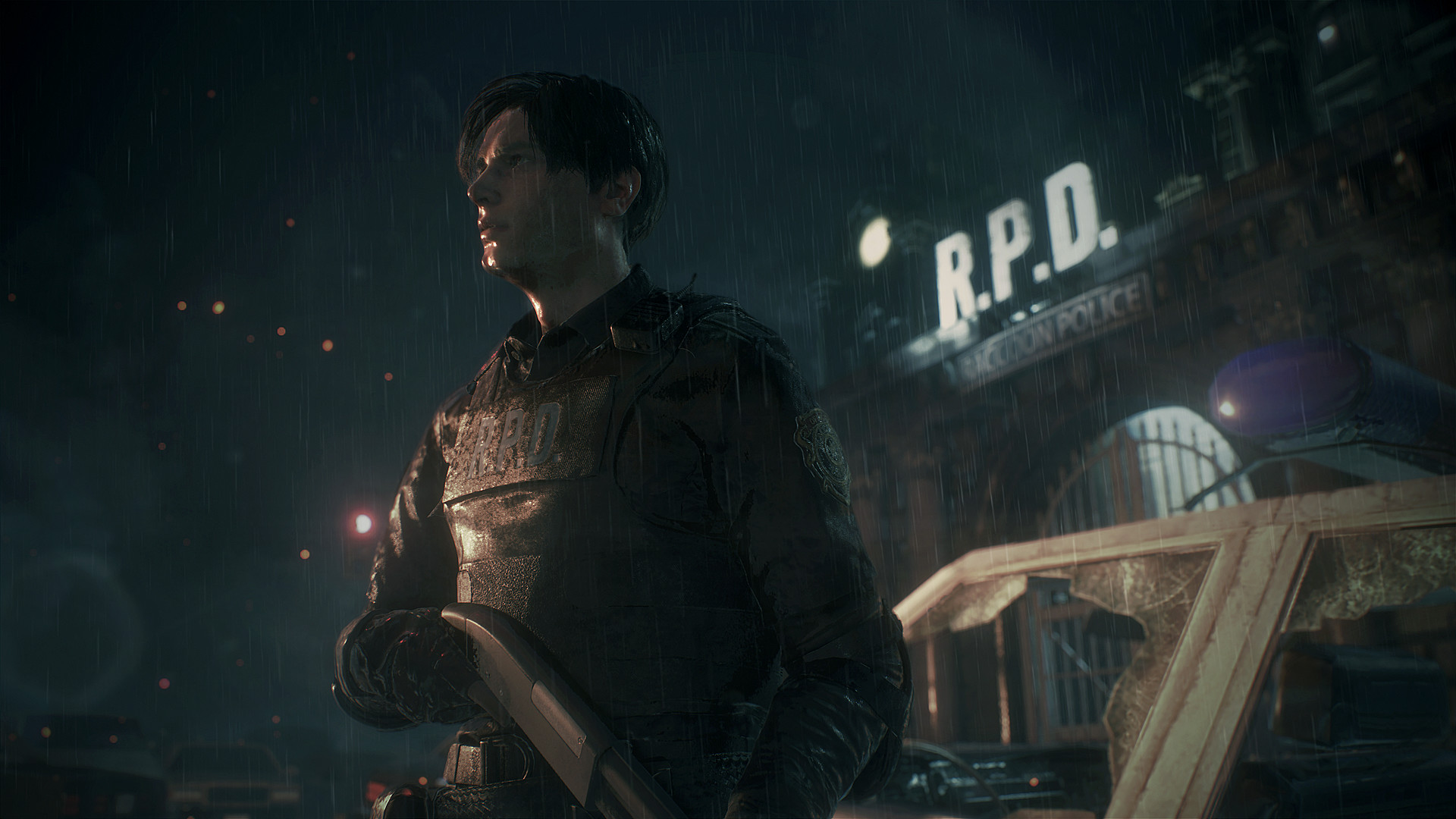
Horror is the genre that benefits most from technology. Light, shadow, sound and animation decide whether a scene is frightening or unintentionally funny. A room that consisted of fixed camera angles and pre-rendered backgrounds in 1998 becomes a completely new experience with modern lighting and an over-the-shoulder camera. The police station in Resident Evil 2 is the best example: same floor plan, but a completely different sense of confinement.
Then there is recognition. Many people know Pyramid Head or Mr. X without ever having played the originals. Remakes connect two audiences: the fans from back then and a younger generation that wants to experience classics without tank controls. For a studio, that means a calculable risk.
Dead Space and Silent Hill 2: Faithful, but with their own profile
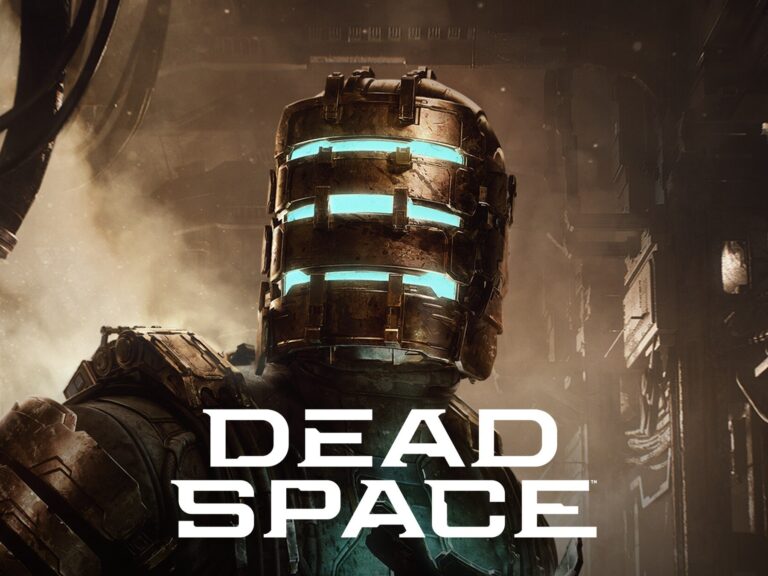
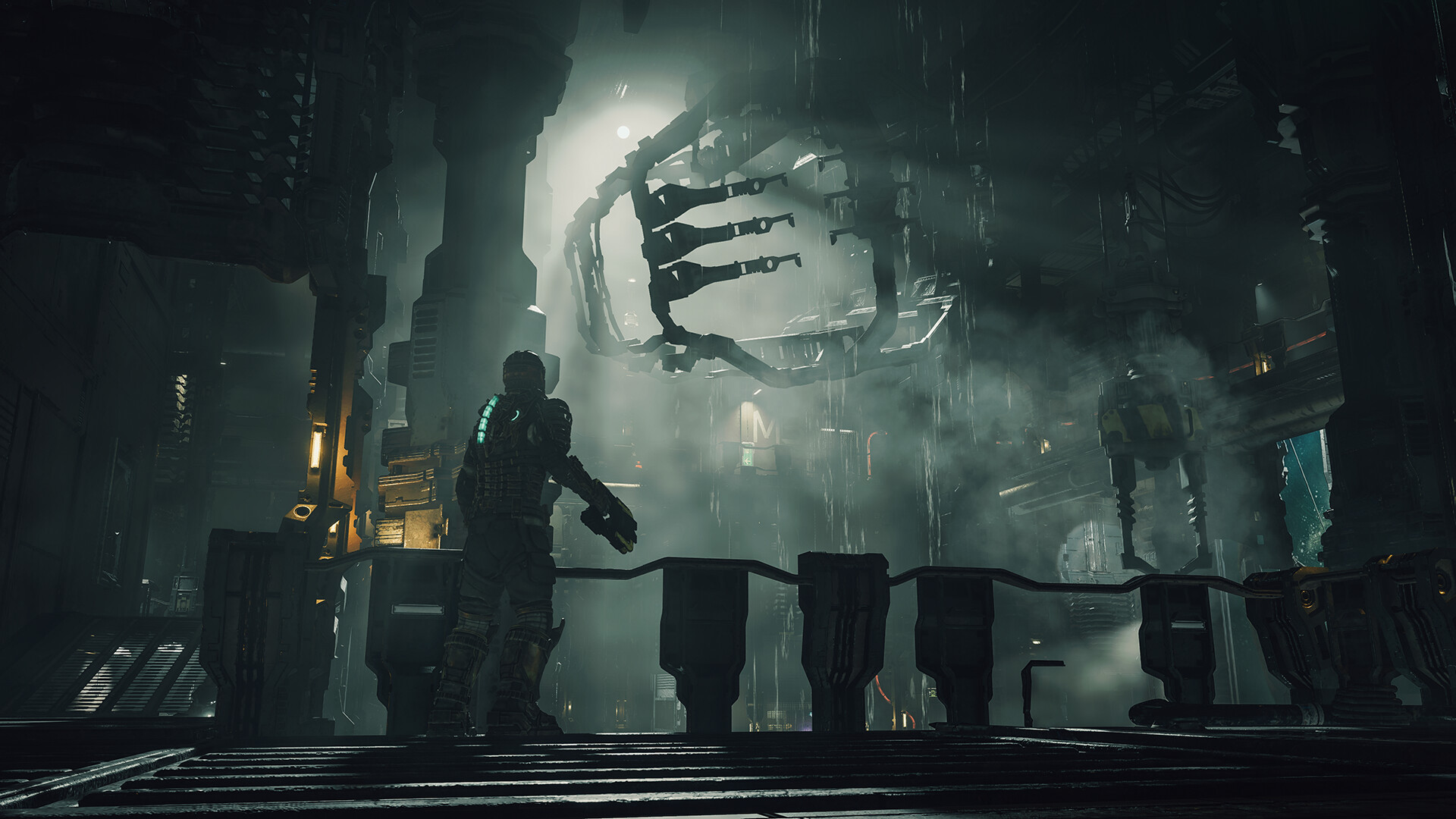
I think it is wrong to lump all horror remakes together. Dead Space by Motive Studio stayed very close to the 2008 original, but added a seamless Ishimura without loading screens and gave Isaac Clarke a voice. That was careful modernisation, not reinvention.
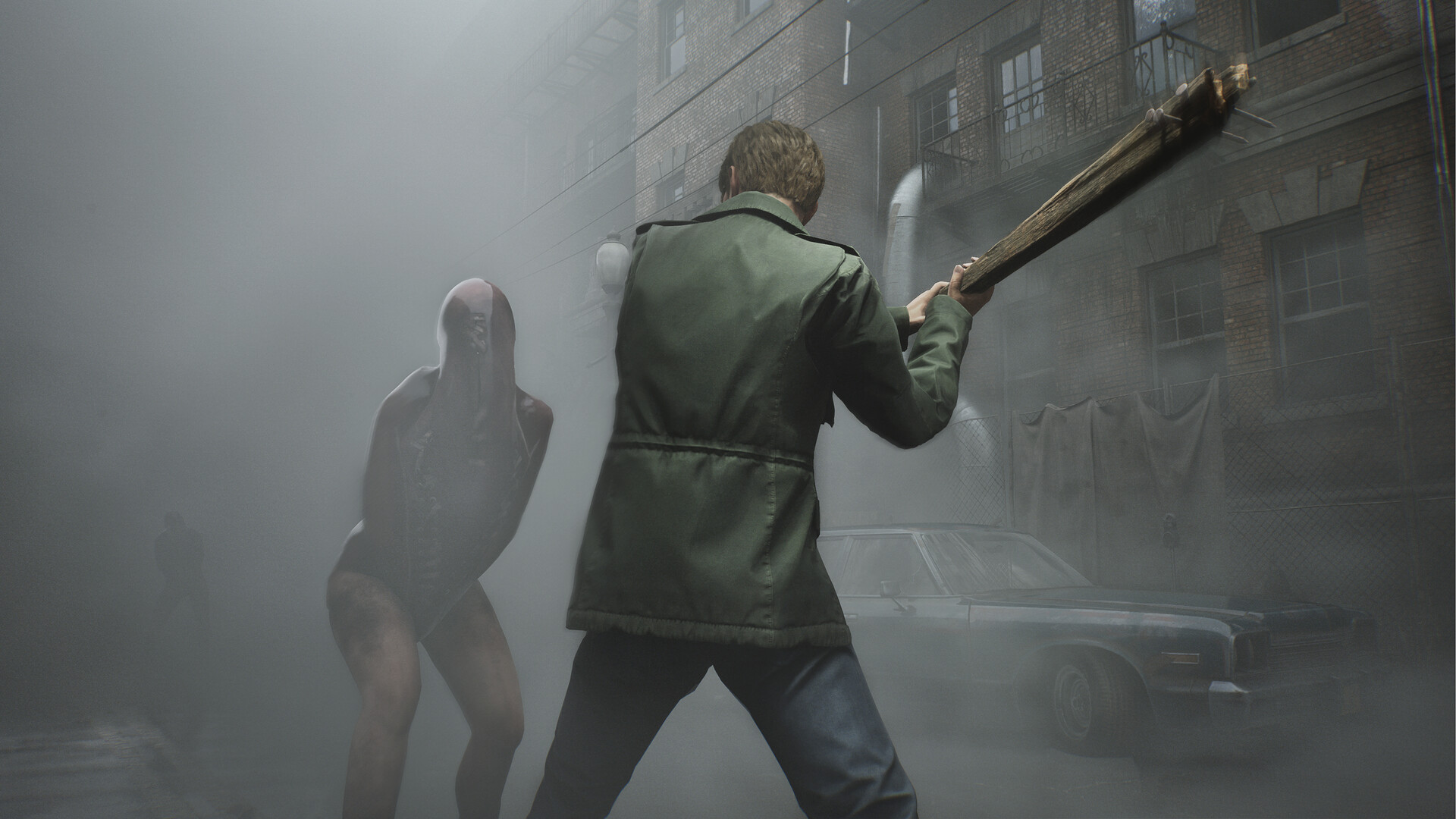
Silent Hill 2 took a bolder route. Bloober Team significantly expanded combat and areas, reinterpreted Akira Yamaoka's music and brought in Masahiro Ito, a designer from the original version. Scepticism was high before release, afterwards praise won out. To me this shows: a good remake is an interpretation, not a copy.
Remakes fund new ideas
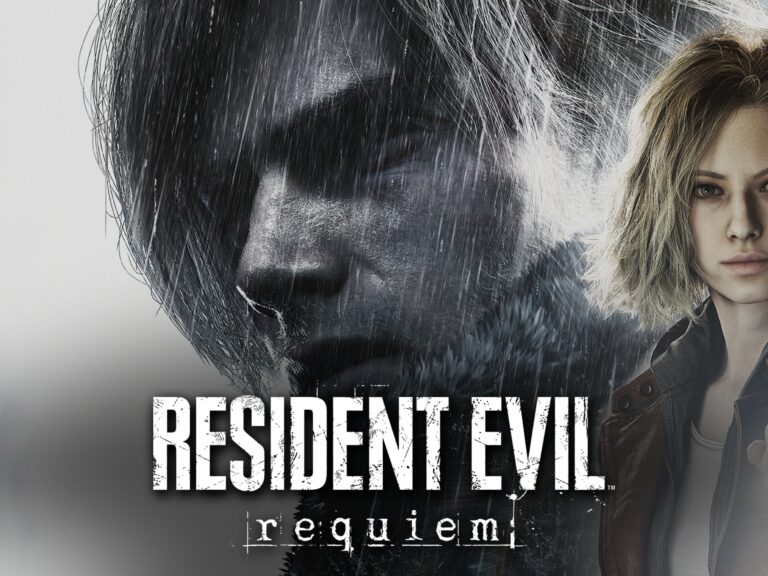
The strongest argument against "nostalgia instead of ideas" comes from Capcom itself. Resident Evil 7 was a radical break in 2017, with a first-person perspective and a new setting. According to Capcom's list it has sold 18.4 million units, setting a new course for the series. Resident Evil Requiem from February 2026 already stands at 8.0 million there. Remakes and new entries exist side by side, and one funds the other.
Bloober Team makes it even clearer. After the success of Silent Hill 2, the studio released a completely original IP with Cronos: The New Dawn. For the studio, the remake was not an end point but a springboard.
The real new ideas come from indie studios
Anyone claiming horror has run out of fresh ideas is only looking at AAA. Mouthwashing by Wrong Organ tells one of the most disturbing stories of recent years in just a few hours. Crow Country deliberately uses a PS1 aesthetic, but it is not a remake, it is a new story. And co-op phenomena like Lethal Company or Buckshot Roulette have shown that horror can find completely new forms. You can find an overview in our list of the scariest horror games.
For me, this indie boom is proof that remakes do not crowd out ideas. They occupy the big-budget niche while smaller studios experiment.
Where the real danger lies
It becomes a problem when remakes are no longer chosen but simply worked through. Not every game needs a remake, and not every original gets better with modern technology. Part of the impact of old horror games lay in their very limits: fog that hid the draw distance, or fixed cameras that deliberately did not show us what waited around the corner. Modernising that away loses something.
The second danger is time. A big remake often ties up a studio for years. Those years are then missing for new IPs. As long as remakes fund new projects, that is fine. If they permanently replace them, it is not.
My verdict: Nostalgia as seed capital
Horror remakes are not a sign of creative emptiness, but at their best a bridge between generations. The numbers show that players want them, and Resident Evil 7, Requiem and Cronos show that studios use the money to try new things. The freshest ideas come from indie studios anyway.
My wish to publishers: make remakes when you can add something to the original, and use the success for nightmares of your own. Which horror remake convinced you, and which game should be left untouched?