Felix Wagner
City builders love to bury us in systems: production chains, traffic flow, needs, cold, morale. Here's my take: the best city builders aren't the simplest or the most complicated. They're the ones that peel back their complexity layer by layer and never make you feel stupid along the way.
I've been playing city builders for as long as I can remember, and there's no other genre I've quit and restarted as often. It was almost never because a game was too hard. It was because I didn't understand why things were going wrong. To me, that's the heart of the whole complexity versus accessibility debate.
Factorio: complexity you earn
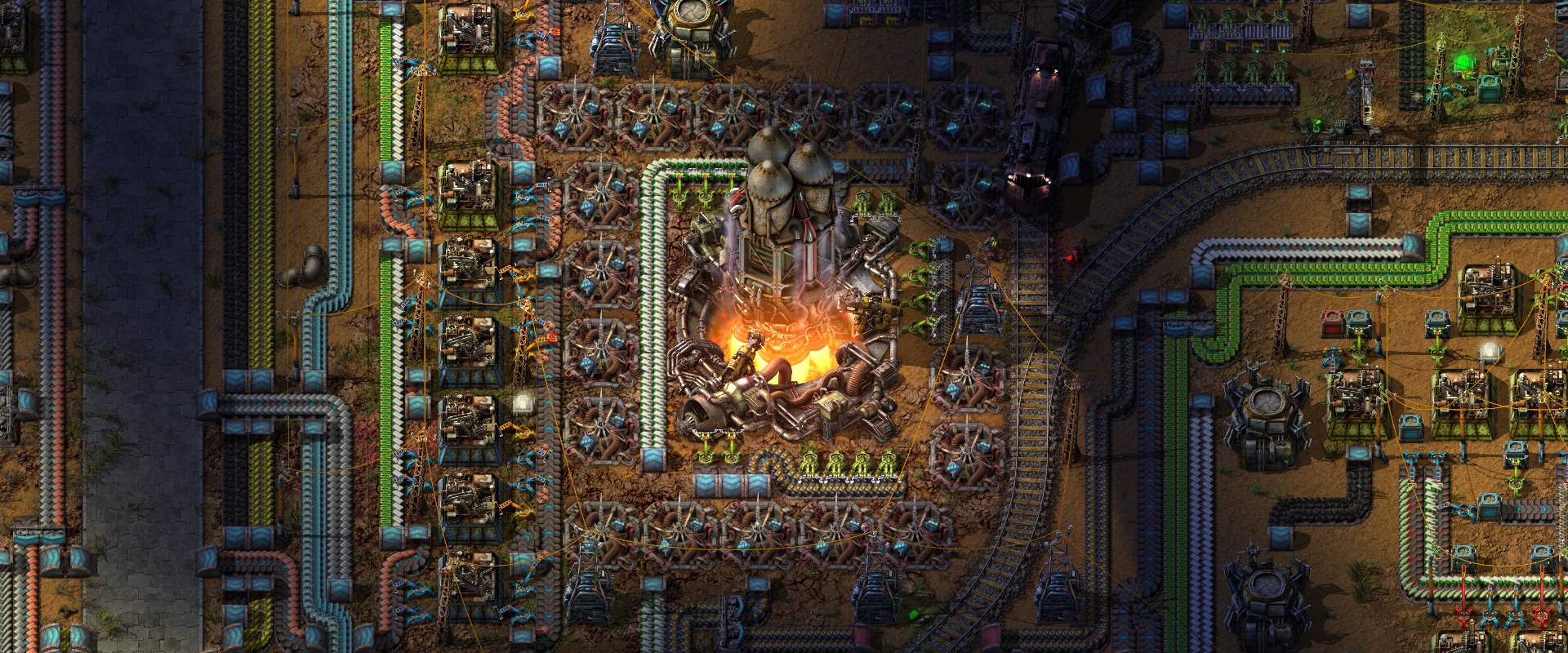
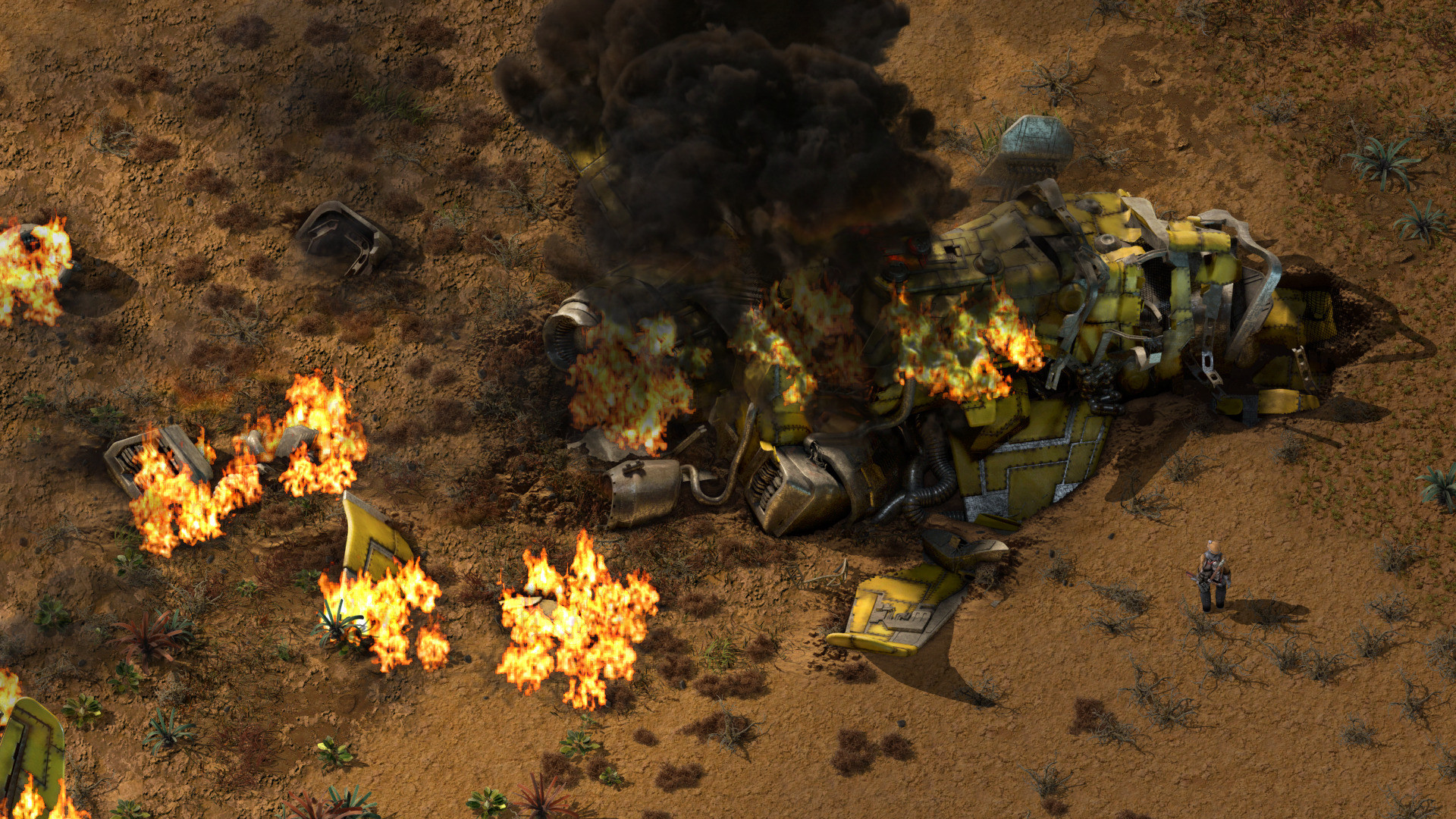
No city builder stands for depth quite like Factorio. You start next to a burning wreck, crafting iron plates by hand and placing your first drill. A few hours later you're planning oil refineries, rail networks and logistics bots. After years in Early Access, version 1.0 launched on Steam on August 14, 2020, and the remarkable thing is that it never dialed its complexity back.
Even so, I don't think Factorio is hostile to newcomers. Every new system shows up only once you've more or less got a handle on the previous one. Mistakes are visible: a belt backs up, a machine stalls, an icon starts blinking. You see the problem before you understand it, and that's the biggest difference between good and bad complexity.
Cities: Skylines: traffic as an honest teacher
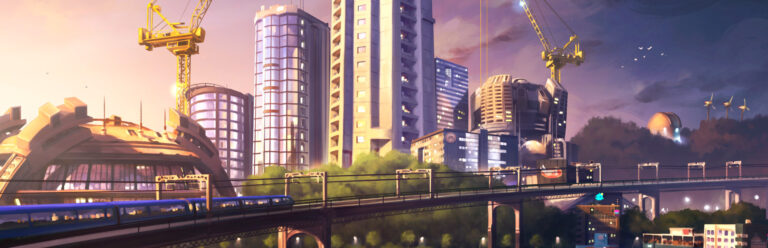
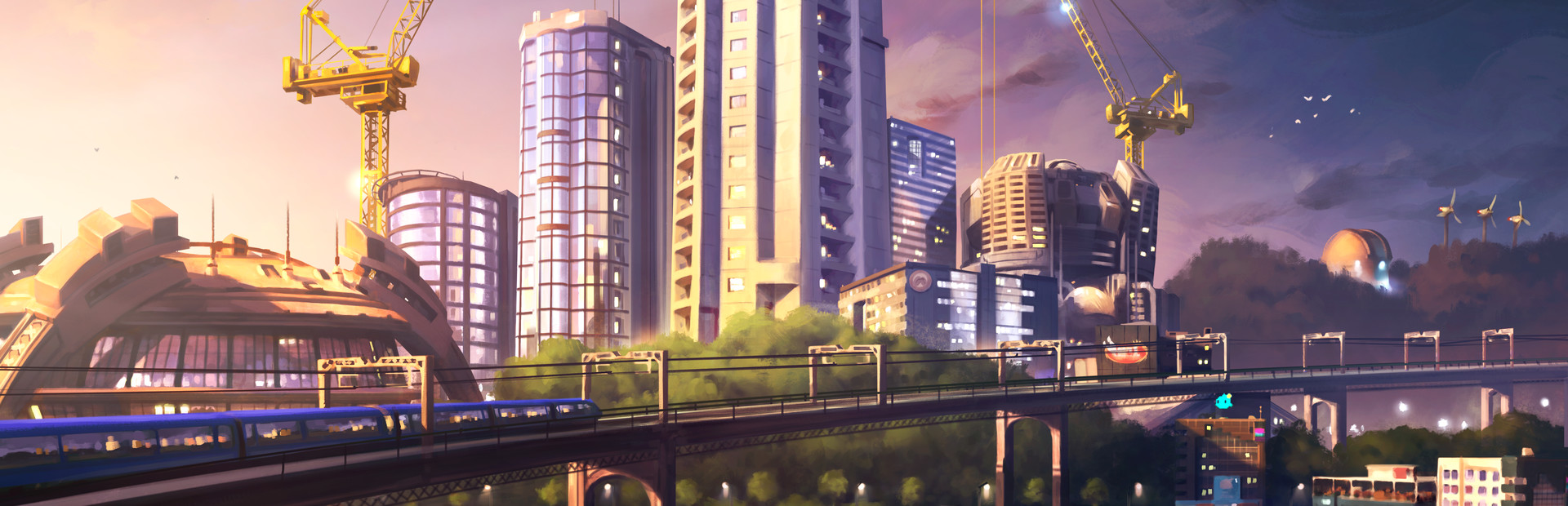
Cities: Skylines from Colossal Order and Paradox Interactive launched on March 10, 2015 (per Steam), and it's still my favorite example of a city builder that welcomes new players. Lay a road, zone some land, and the city grows. The rules feel simple. Only once the city gets bigger do you realize traffic is a puzzle of its own.
Its strength is that it doesn't punish you, it shows you what's happening. You see the gridlock, you see cars cutting through residential streets. You have to find the fix yourself, but the problem is never hidden. Its sequel, Cities: Skylines II, which hit Steam on October 24, 2023, showed me how quickly a city builder can lose players' trust when simulation and feedback don't line up.
Frostpunk: pressure instead of complexity
Frostpunk from 11 bit studios released on Steam on April 24, 2018, and takes a completely different route. The number of systems is manageable: coal, food, heat, hope, discontent. What makes it hard is pressure. The temperature keeps dropping, the clock keeps ticking, and every law you sign carries moral weight.
For me, Frostpunk proves that depth doesn't have to mean more menus. A city builder can be demanding even if you understand every single system after ten minutes. The challenge comes from how those systems interact and from what you're willing to sacrifice. That's the kind of complexity that doesn't scare newcomers off, it pulls them in.
Planet Zoo and Anno: depth for those who want it
Planet Zoo from Frontier Developments (released November 5, 2019, per Steam) looks like a cozy zoo game at first glance. Underneath you'll find habitat sizes, social behavior, genetics, education and a build mode you can lose hours in. If you want, you just build pretty habitats. If you want, you min-max breeding lines. Both work.
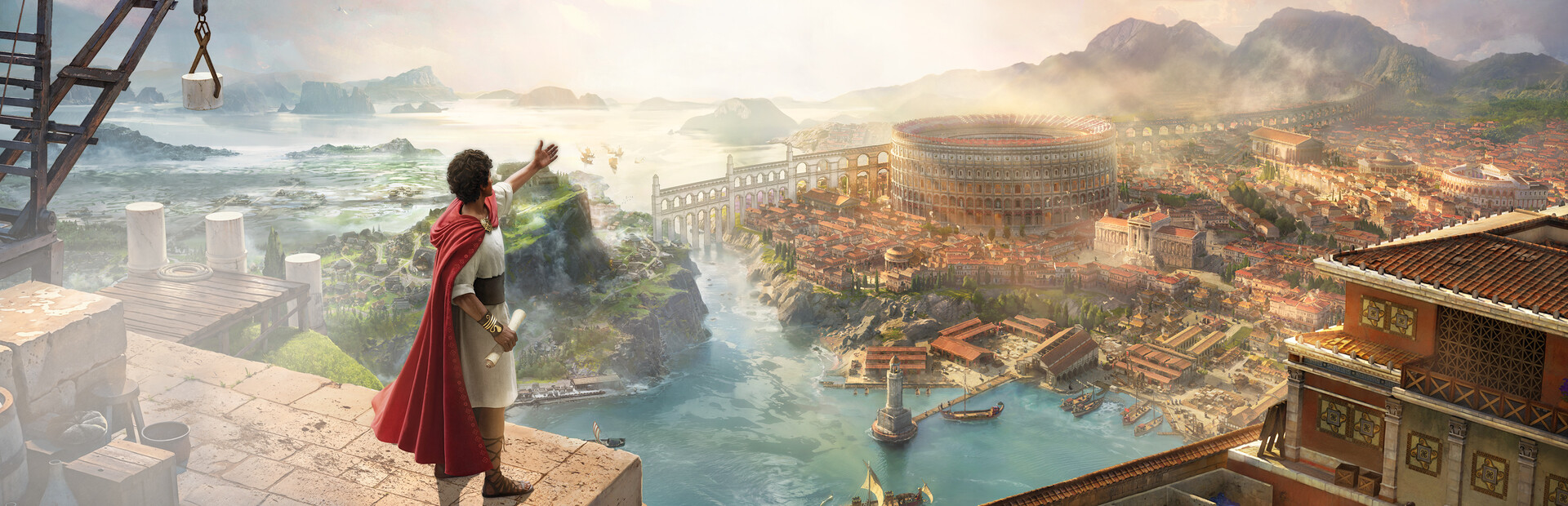
Ubisoft's Anno series has followed this principle for decades. Population tiers unlock new needs, and with them new production chains. Anno 117: Pax Romana follows the same logic. I think that's smart, because complexity is tied to your own progress. The game never asks whether you're ready. It can tell from your city.

Software Inc.: a niche game that knows its audience
A counterpoint to all those big names is Software Inc. from Coredumping. You build a software company, hire staff, plan projects and fight bugs, deadlines and market share. It isn't beginner-friendly in the classic sense. A lot of mechanics get only a brief explanation, and some you simply have to figure out by trial and error.
And honestly? I like that. Software Inc. doesn't want to be a mass-market product, it wants the players who are looking for exactly this kind of business sim. That's completely fair. Not every city builder has to be for everyone. It only becomes a problem when a game targets a broad audience and still feels like a spreadsheet with graphics.
What real accessibility in city builders looks like
From all these examples I've landed on a few clear rules. Accessibility doesn't mean cutting systems. It means:
- Unlock in layers: new mechanics only once the old ones have clicked, like in Anno or Factorio.
- Make problems visible: traffic jams, empty warehouses and unhappy citizens should be obvious at a glance.
- Forgive mistakes: one bad building spot shouldn't wreck a five-hour save.
- Offer optional depth: optimize if you want, or just build something beautiful, like in Planet Zoo.
- Honest tutorials: short and in context beats ten text boxes before your first click.
My verdict: complexity isn't the enemy, opacity is
I don't believe city builders have to get simpler to reach more people. Factorio, Cities: Skylines and Anno prove that even incredibly deep games can win over newcomers. The enemy isn't complexity, it's a game that won't show you what's going on and why.
If I could ask developers for one thing, it would be this: build as deep as you like, but build the staircase too. Then I won't get stuck and frustrated after two hours. I'll be sitting in front of my conveyor belts at 3 a.m. thinking: just one more production chain.