Jonas Keller
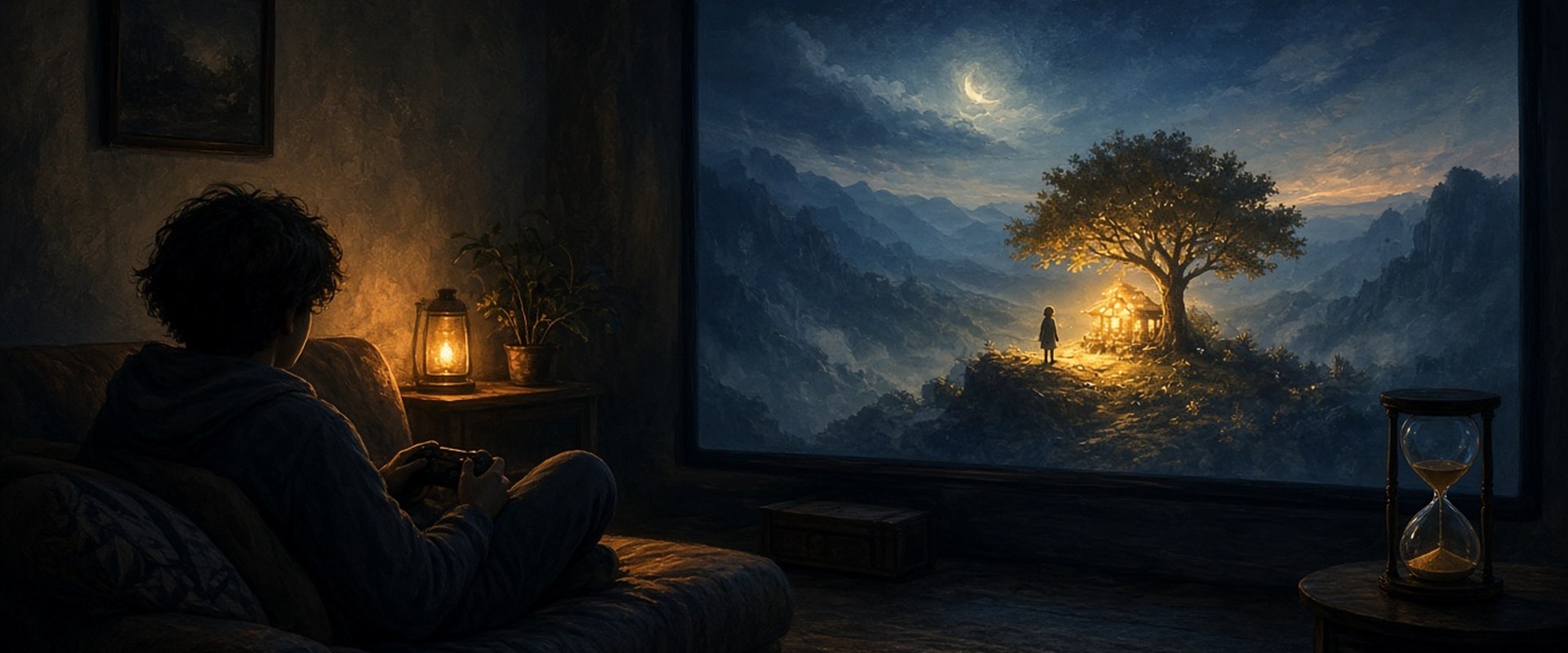
„Over 100 hours of playtime!“ still gets printed on the box, as if scope automatically meant quality. I think that is a fallacy. Good game stories don’t need 40 hours. The narratives that stayed with me the longest were often ones I finished in a single evening.
At PlayInsider I mainly write about story, design and horror. And when I look at the games whose stories I still retell to friends today, something stands out: most of them are short. Not cheap, not small in ambition, but focused. Game stories get better when every minute has a purpose.
More hours do not mean more story
Many big open-world games stretch their plot with collectibles, side missions and progression systems. That is legitimate if that is what you are after. But it is often poison for the actual story. Tension needs rhythm, and rhythm needs density. If you spend ten hours clearing outposts between two important scenes, you lose the emotional thread.
There is also a simple reality: many adults only have a few evenings a week to play. A 40-hour game stretches over months that way. A three-hour game can be experienced over a weekend, with full focus and without forgetting who was who.
Inside: A whole world in three and a half hours
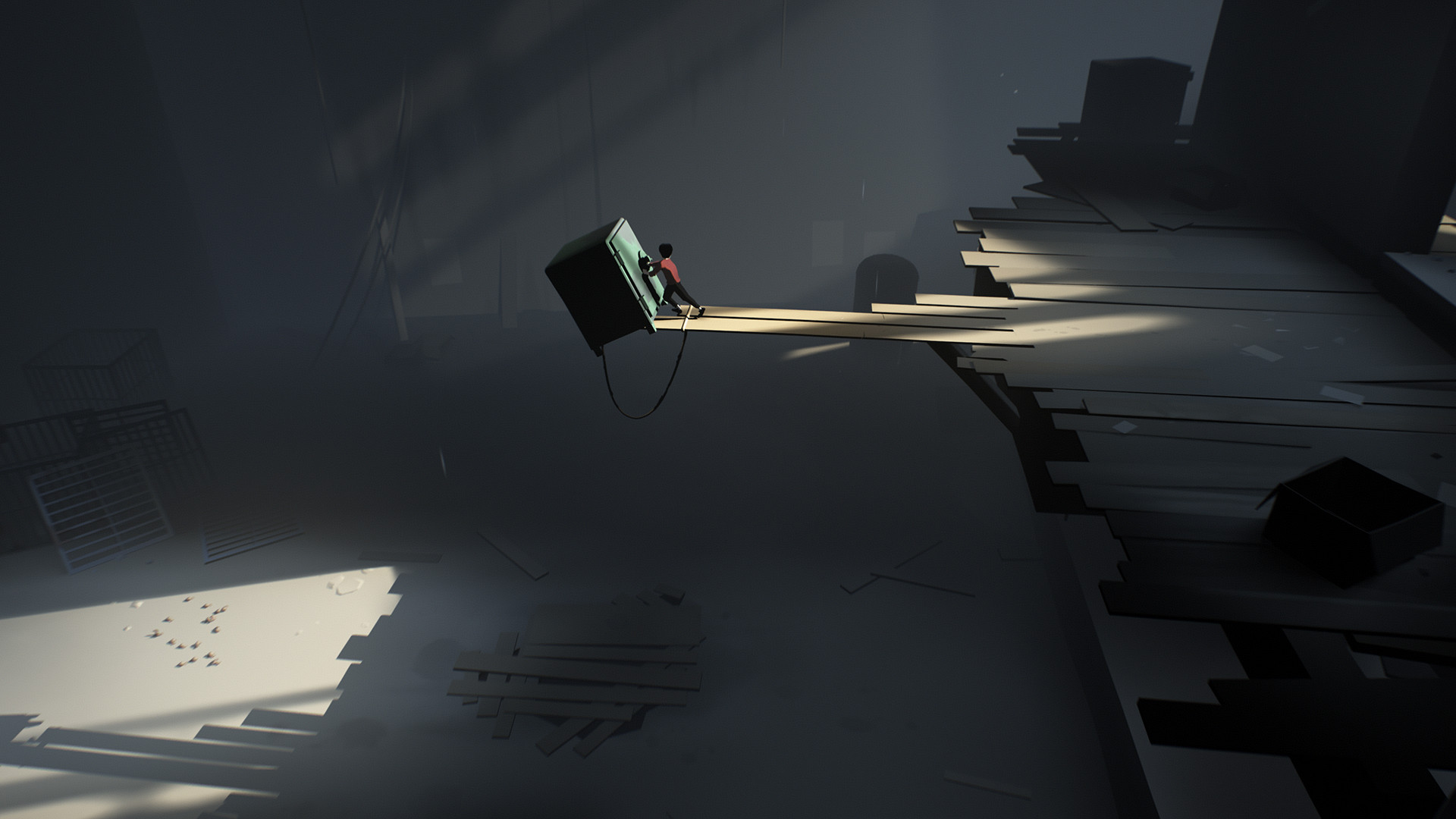
Inside by Playdead is my prime example. According to HowLongToBeat, the main story takes about three and a half hours. In that time not a single word is spoken, there are no text panels and no explanations. Still, you understand an entire dystopian world through images, movement and sound alone.
Inside shows that good game stories do not depend on the amount of dialogue but on precision. Every room has a purpose, every scene moves the story forward. An ending like that would not hit harder after 40 hours, more likely softer.
What Remains of Edith Finch: One evening, many lives
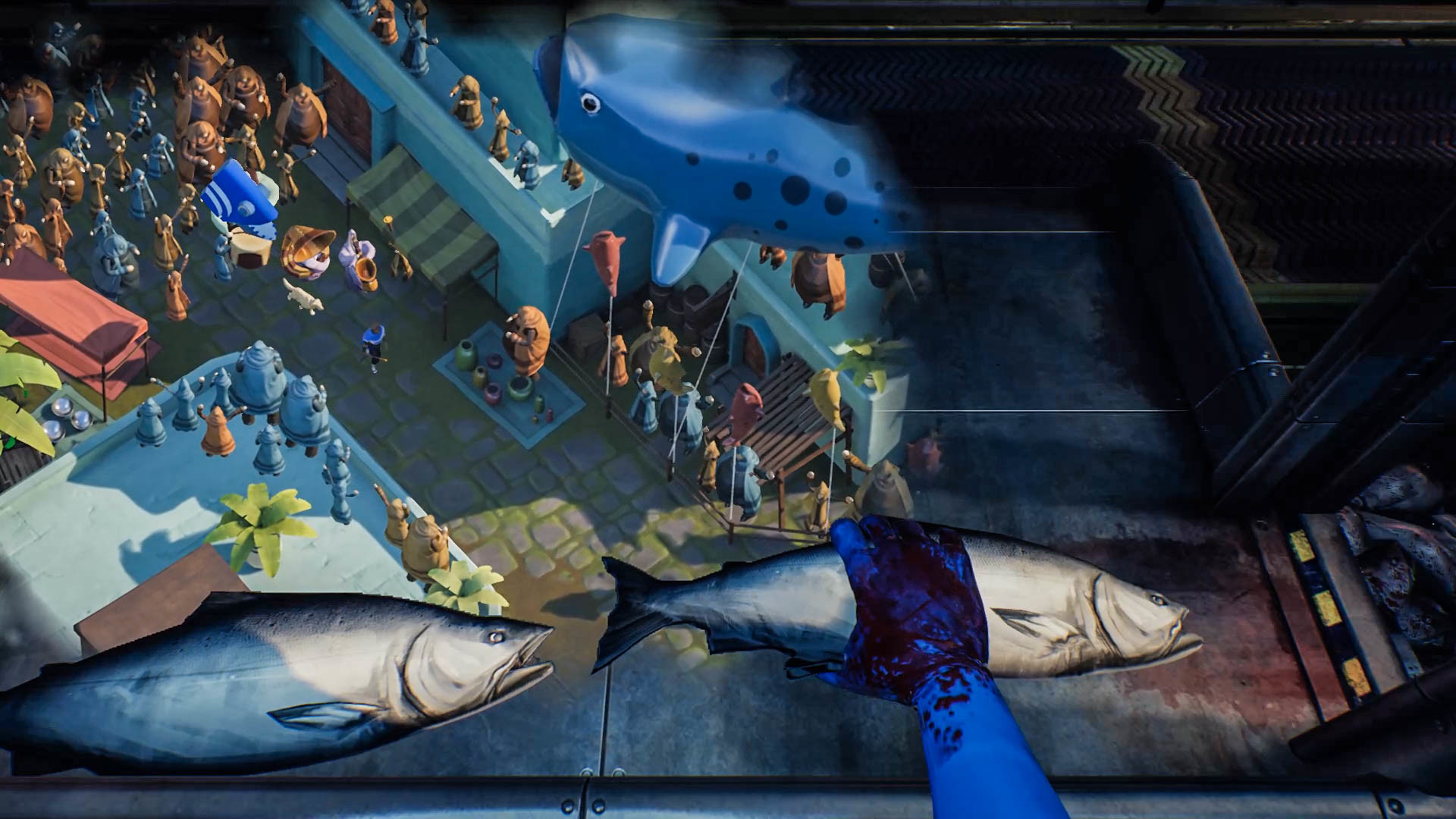
Even shorter is What Remains of Edith Finch by Giant Sparrow, published by Annapurna Interactive. According to HowLongToBeat, it takes about two hours. You explore a family home and experience the fates of individual family members in small episodes. Each episode plays differently, each tells its story with mechanics of its own.
Creative director Ian Dallas and his team show how much gameplay itself can contribute to storytelling. The famous cannery scene only works as a game, not as a film or a book. Two hours are enough to tell a family story that stays with many players for years.
Mouthwashing: Horror thrives on density
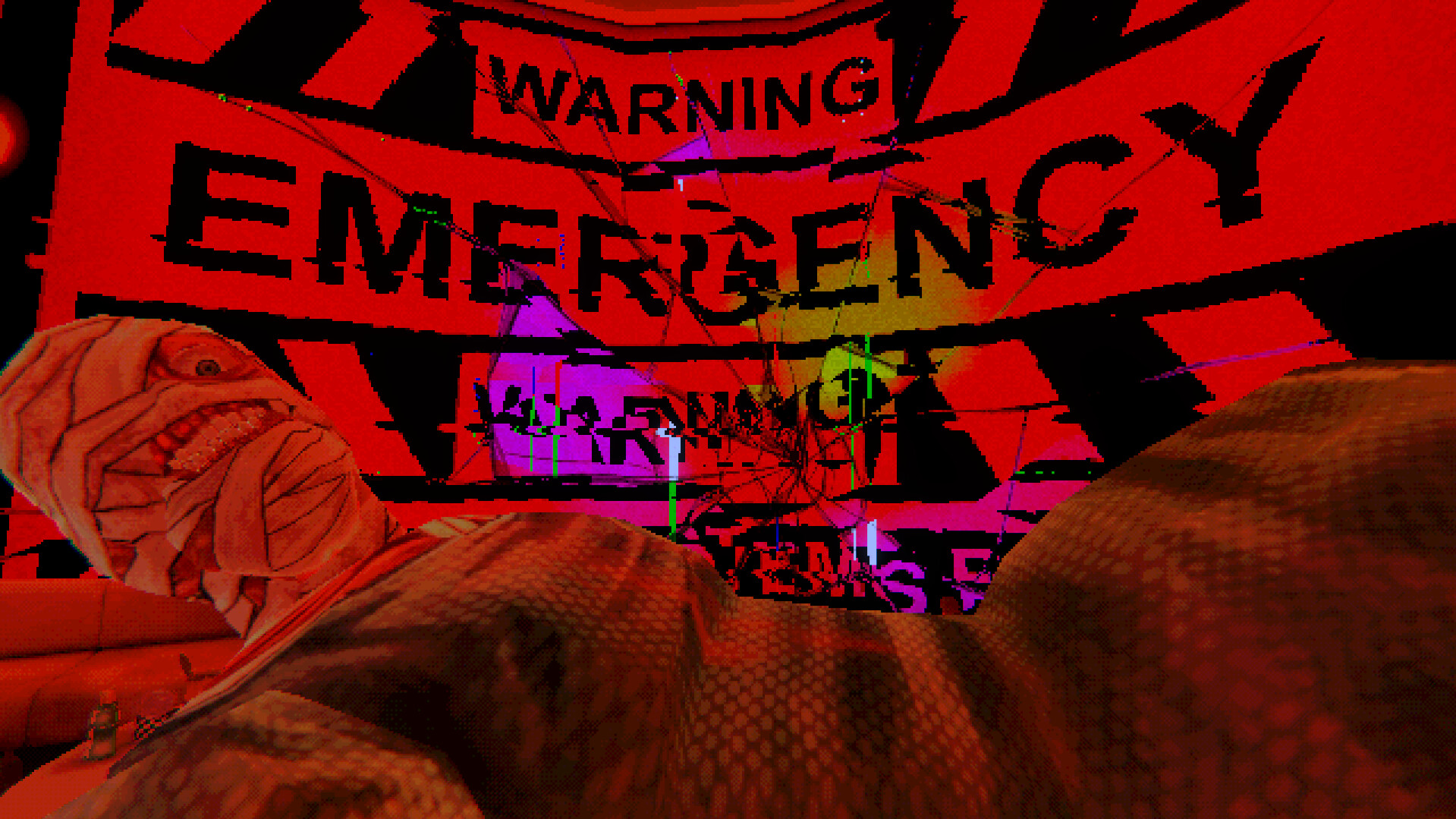
In horror especially, brevity is a strength. Mouthwashing by Wrong Organ takes place almost entirely on a stranded spaceship with a small crew. According to HowLongToBeat, you are done in about two and a half hours. Still, for me it is one of the most haunting stories of recent years, because it does not waste a second and uses its time jumps with purpose.
A horror game that runs too long loses its terror. Monsters become routine, atmosphere wears thin. Mouthwashing ends before that can happen. Many of the games on our list of the scariest free horror games also show how much impact is possible in a small space.
Portal 2: Short does not mean thin
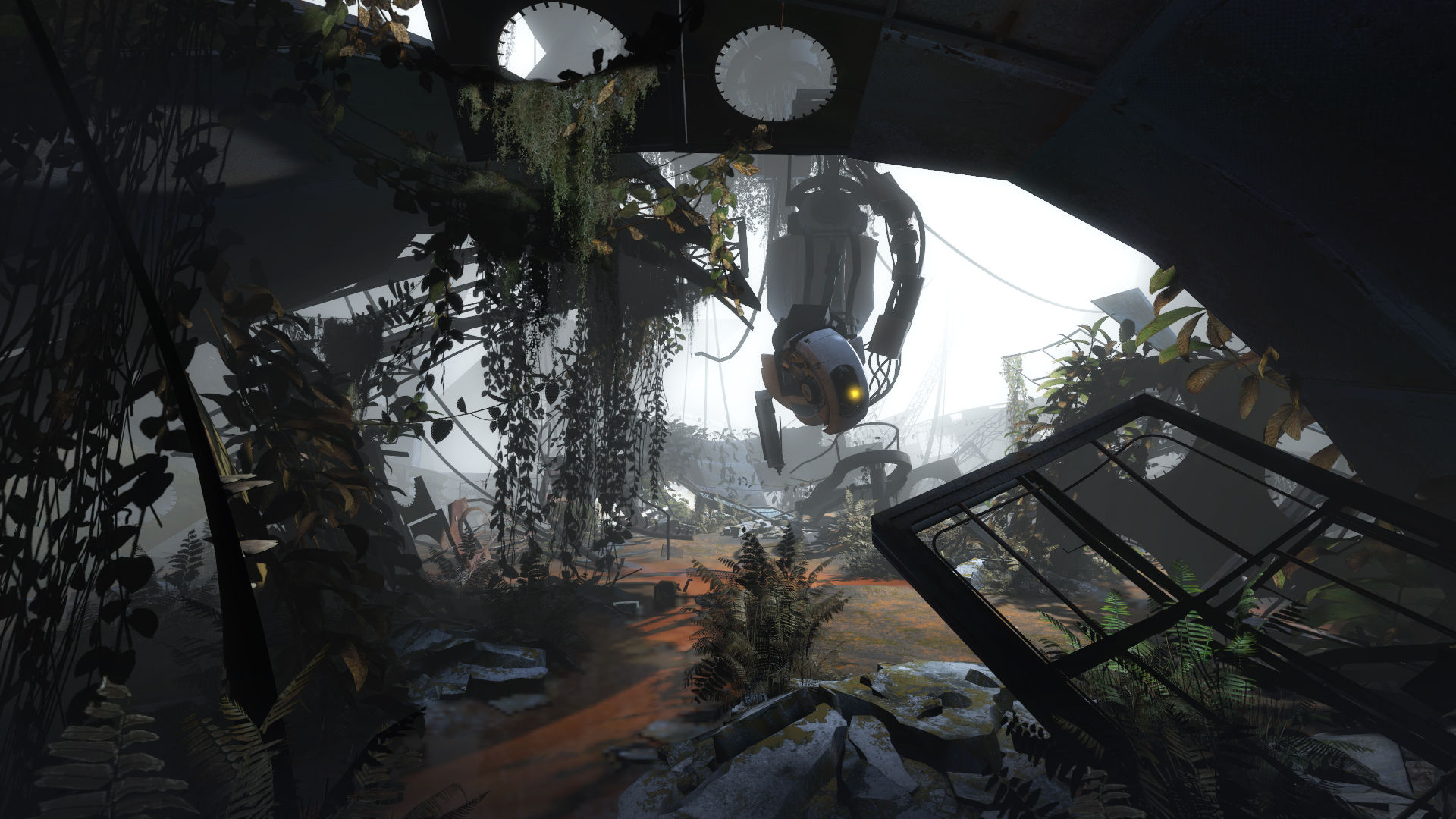
Brevity does not mean a game has little content. Portal 2 by Valve is not a two-hour experience, but it is not a bloated epic either. You can finish the campaign over a few evenings, and it is still full of characters, twists and humour. GLaDOS and Wheatley remain textbook examples of how to build a story into the puzzles themselves.
The game has a clear pace. New mechanics arrive exactly when the old ones feel familiar, and the plot develops alongside them. That interplay is exactly what many longer games lack.
And what about the big epics?
I don’t want to badmouth long games. Red Dead Redemption 2 uses its length to develop Arthur Morgan slowly, and Death Stranding 2 makes the journey itself the theme. In cases like these, the length is part of the narrative. The problem is not long games, but long games whose length has no narrative reason.
So the question should not be: how many hours do I get for my money? But rather: how much stays with me after the credits?
My verdict: One strong evening beats 40 empty hours
Good game stories don’t need 40 hours. They need a clear idea, good pacing and the courage to stop once everything has been said. Inside, Edith Finch, Mouthwashing and Portal 2 show this in very different ways.
I hope players and publishers stop selling playtime as a mark of quality. A game that grips me completely for three hours is worth more to me than one that keeps me busy for 60. Which short game moved you more than any epic?