Jonas Keller
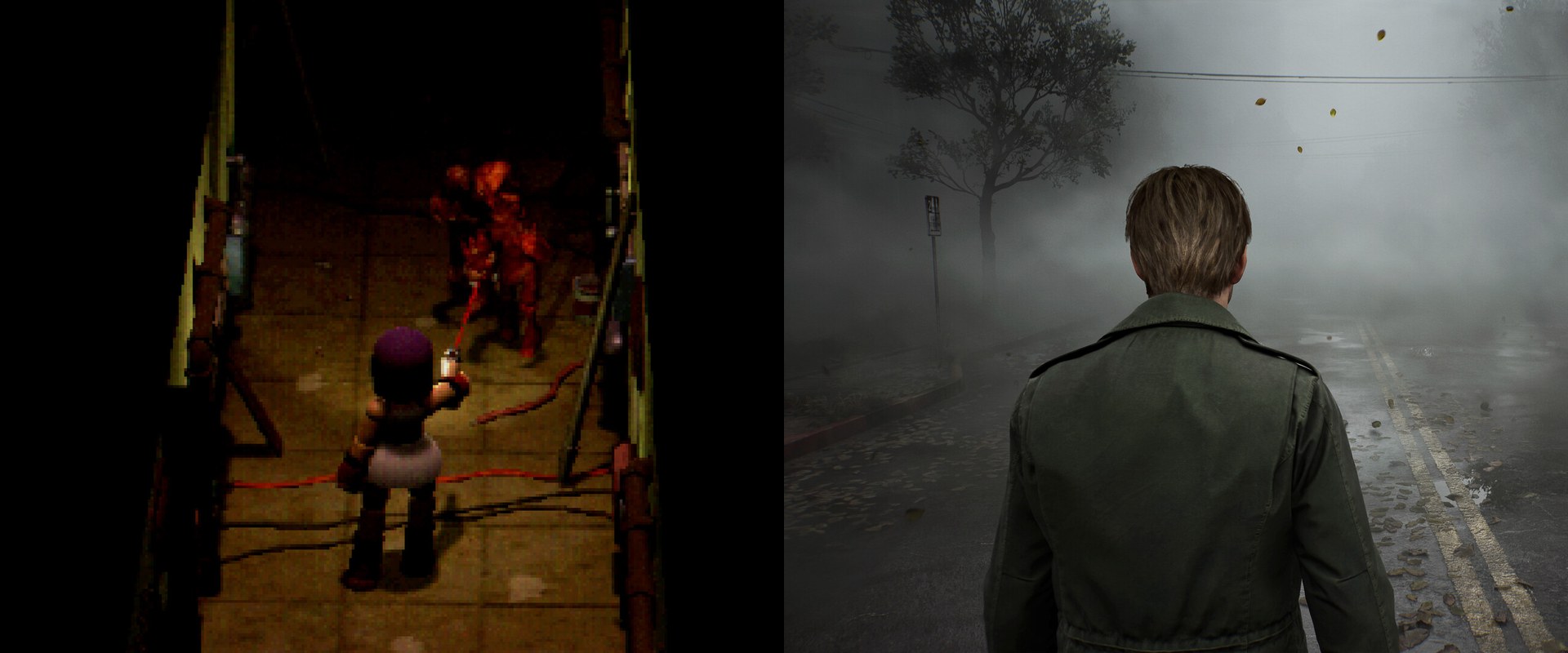
Chunky polygons, smeary textures, fog that swallows everything past twenty yards: on paper, the PS1 look sounds like a step backwards. I'd argue it makes horror scarier than any amount of photorealism. When we can't quite make something out, our brain fills in the blanks, and our brain is the best horror designer there is.
Table of contents
My take: the PS1 look shows less, and that's exactly why it's scarier
At PlayInsider I mostly cover horror, story and art style, and few trends have fascinated me as much as this one. Small studios are deliberately building their horror games as if they were running on a 1995 PlayStation. Blocky characters, textures that slide around when the camera turns, draw distance that dies in a haze after a few steps. And a lot of these games scare me more than productions with ten times the budget.
This isn't just nostalgia talking. The PS1 look works because it leaves information out. A face made of a handful of polygons has no clear expression, a shape in the fog has no clear outline, a noise behind a crudely textured door has no visible source. We fill those gaps ourselves, and we fill them with whatever frightens us most.
Cartoonist Scott McCloud described this back in 1993 in his book "Understanding Comics" as "amplification through simplification": the more abstract an image is, the more of ourselves we project into it. In comics, that makes characters more relatable. In horror, it makes the threat more personal.
Silent Hill and the fog: how a workaround became a signature
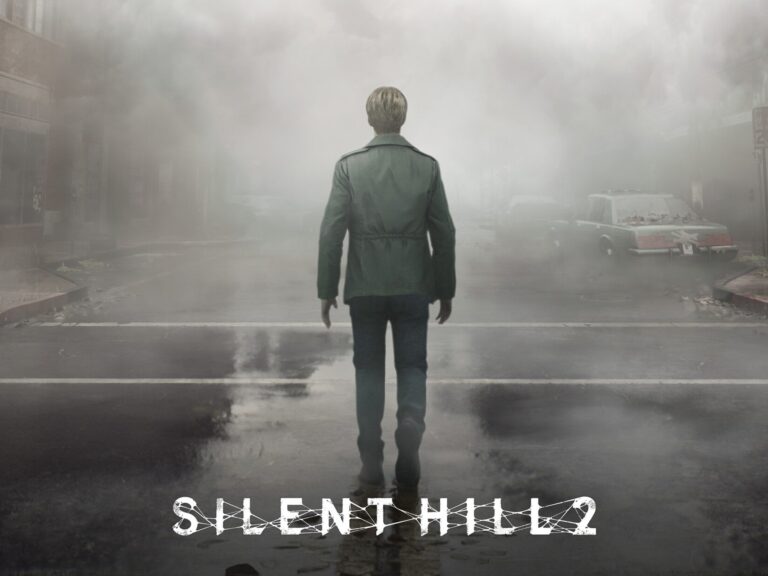
The most famous example is also where it all started. Team Silent's original Silent Hill launched on PlayStation in 1999 and, unlike many of its peers, rendered its entire town in real-time 3D. That was honestly more than the hardware could handle. The developers leaned on thick fog and darkness to hide the short draw distance and objects popping into view.
That technical workaround became the defining trait of an entire series. Harry Mason can barely see to the next street corner, a radio crackles with static when a monster is close, and you hear danger long before you see it. The fog takes away the most important tool you have as a player: the ability to read the space around you.
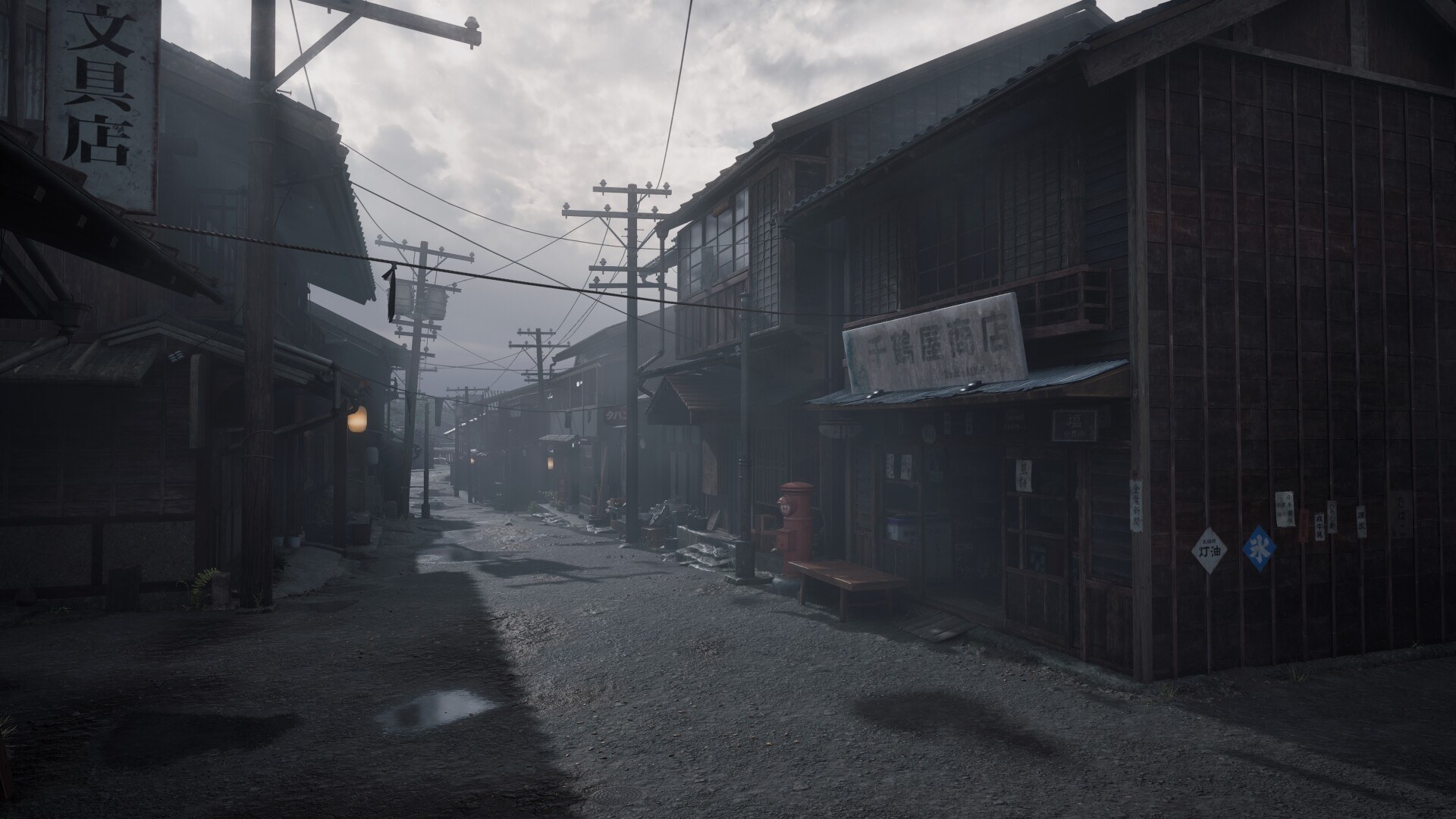
What I find especially interesting is that the trick survived long after the tech stopped forcing it. Bloober Team's Silent Hill 2 remake runs on Unreal Engine 5 and could easily render all the way to the horizon. Yet Konami's Steam page still describes the town as "cloaked in deep fog". And in 2025's Silent Hill f, the official description has Hinako's hometown engulfed in fog as well. The most modern Silent Hill games deliberately hide exactly what their tech could show.
Wobbly walls: what defines the PS1 look on a technical level
To understand why the PS1 look feels so unsettling, it helps to pop the hood on the original PlayStation. The console had 2 MB of main RAM and 1 MB of video memory, and most games ran at resolutions between 256 × 224 and 640 × 240. That's where the signature quirks come from, the same ones today's retro horror games recreate on purpose:
- Warping textures: The PlayStation only supported affine texture mapping, which doesn't properly account for depth. As a result, textures on walls and floors appear to slide whenever the camera moves.
- Jittery polygons: The geometry engine worked with fixed-point math, so the corners of objects snap around slightly and the whole world feels a little unstable.
- Crude characters: Low polygon counts and tiny textures turn faces into masks. You have to imagine the expressions yourself.
- Short draw distance: Fog and darkness cover up whatever the memory can no longer display.
From a design point of view, the key thing is this: these flaws make the world feel unreliable. If even the wall in front of me can't hold still, I stop trusting everything else too. Photorealism aims for the opposite, a stable and believable world. For horror, a world you can't trust is often the stronger foundation.
Not everyone loves the trend, by the way. In August 2025, Japanese game programmer Koji Sugimoto posted on X that developers back then put a lot of painstaking, often futile work into avoiding exactly this texture warping, only for it to be called "charming" today. I get the frustration. But in horror, the bug has turned into a tool.
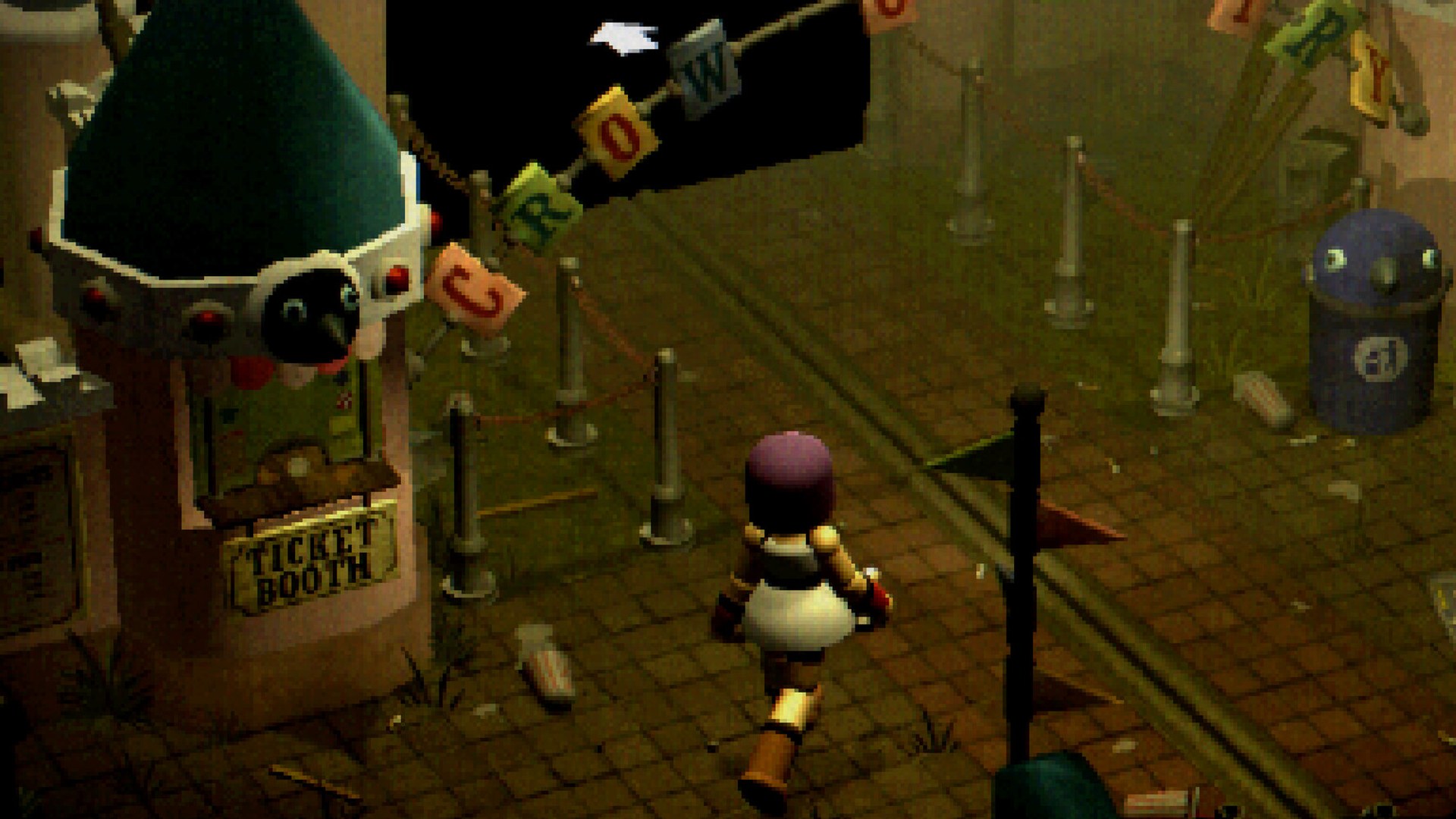
Nothing shows that better than Crow Country from SFB Games. The studio itself calls the game its love letter to the classic survival horror games of the PS1 era. You play Mara Forest, who explores the abandoned Crow Country theme park in 1990, two years after its owner Edward Crow vanished without a trace. The colorful rides, built from chunky polygons, look like a child's toy someone forgot in a basement overnight.
Iron Lung: a grainy photo is worse than any monster
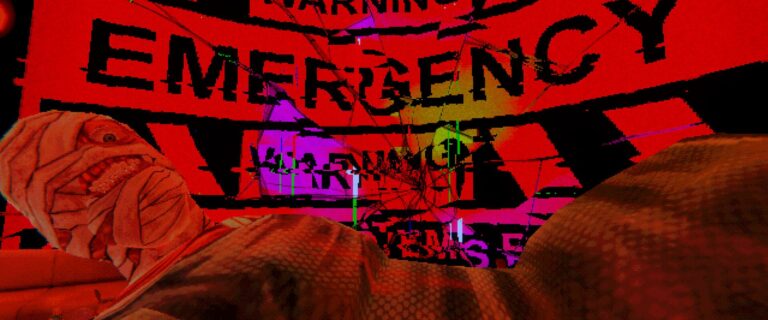
If I had to explain in one sentence why blurriness is scary, I'd point to Iron Lung. David Szymanski, who also made the retro shooter DUSK, released this short horror game on March 9, 2022. You pilot a tiny submarine through an ocean of blood on an alien moon, and the only porthole has to stay shut because of the pressure.
So you navigate blind: an incomplete map, proximity sensors, sound, and a primitive external camera that takes grainy, low-res photos. That's all you ever see of the world outside. Every photo is a small gamble, because anything could be hiding in that gray noise, and that turns every press of the shutter into a dare.
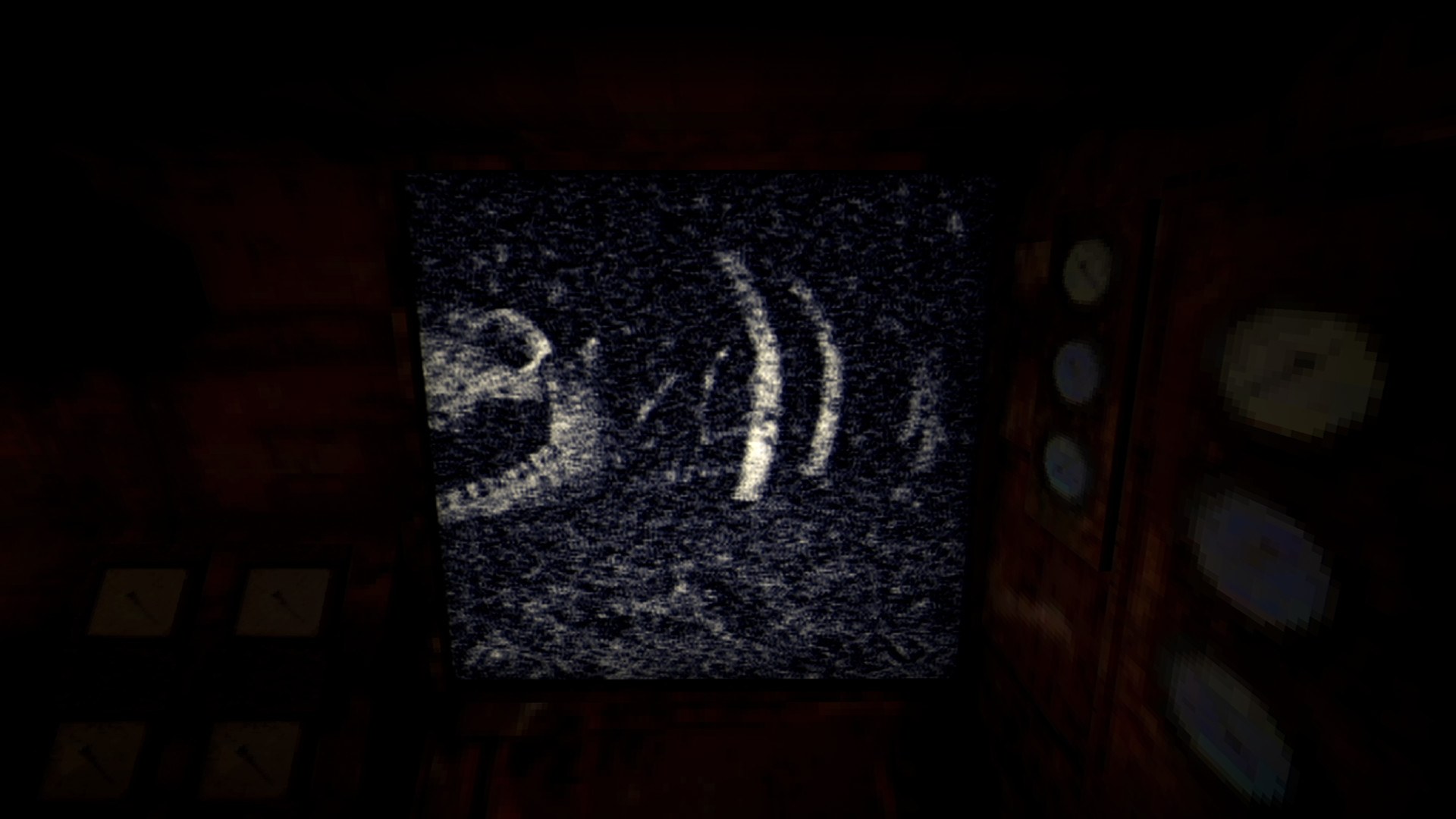
According to its Steam page, Iron Lung takes less than an hour to finish. Even so, it left enough of a mark to become a movie: YouTuber Markiplier adapted and self-funded the film, which opened in the US on January 30, 2026 and, according to box office tracking, grossed around 51 million dollars worldwide. To me, that's the best proof of how much power sits in a game that shows you almost nothing.
Mouthwashing and Signalis: faces without pores, rooms without exits
The second big lever of the PS1 look is its characters. Mouthwashing from Wrong Organ follows the five-person crew of the stranded freighter Tulpar as they slowly fall apart under starvation, isolation and mutual distrust. The faces are angular, the eyes almost empty. What these characters really think is never spelled out on their faces, so I end up reading something threatening into every pause and every glance.
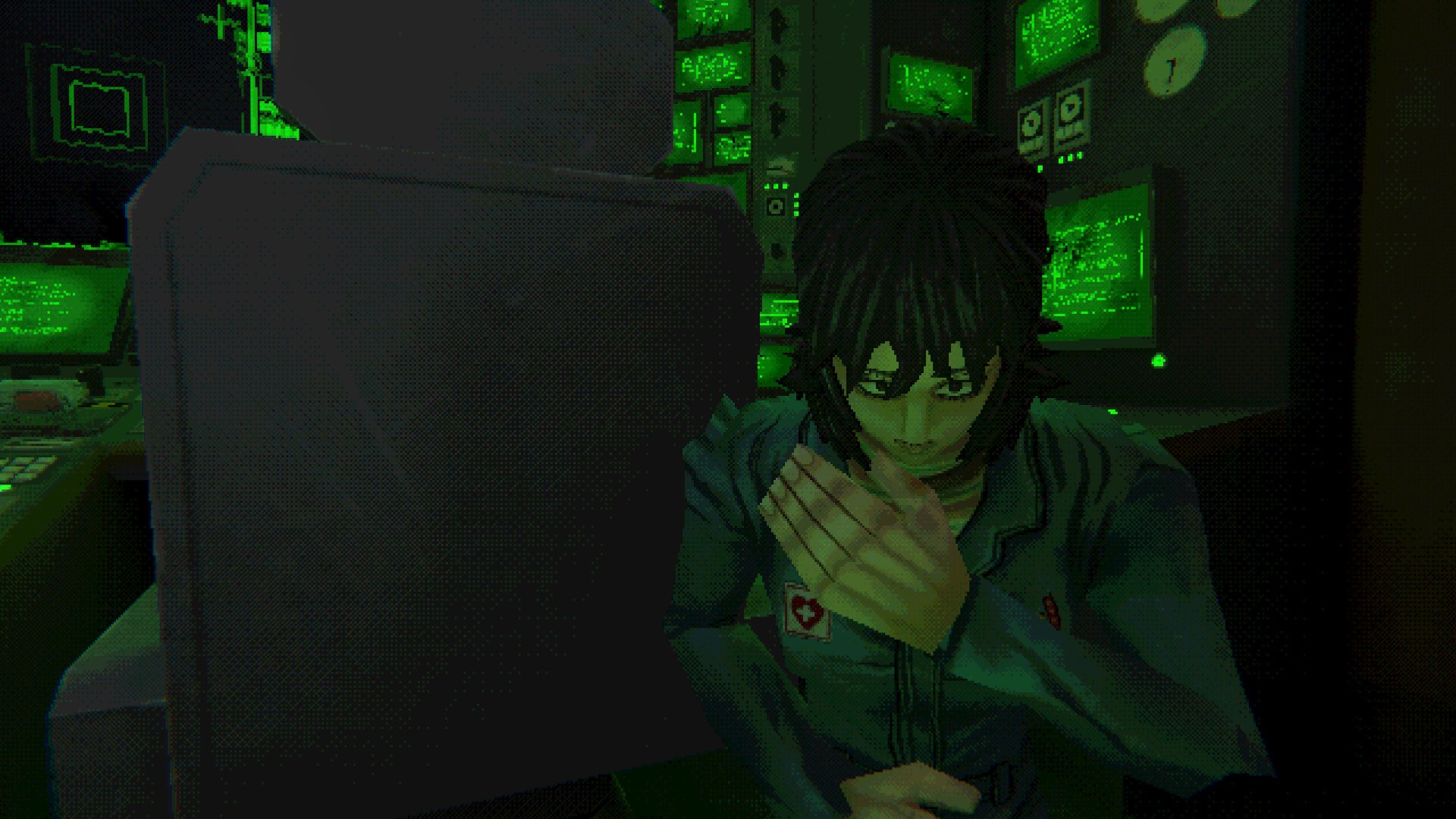
With a photorealistic face, the actor or the animation does that work for us. We see fear, rage or madness in high resolution and don't have to interpret anything. It's impressive, but it also strips away some of the uncertainty. I've already written about why I think realistic faces age worse, too, in my piece on stylized graphics versus photorealism.
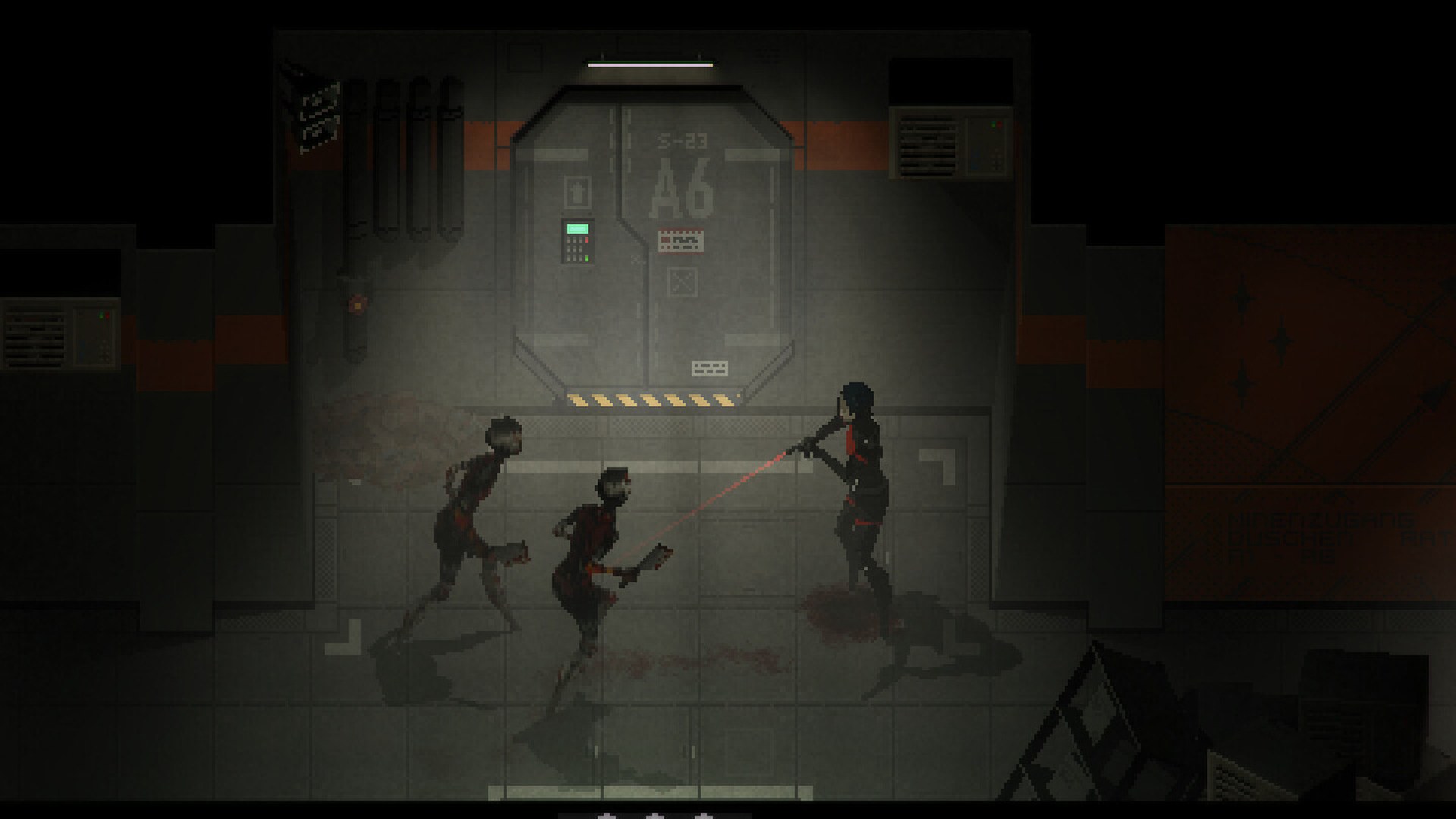
Signalis from rose-engine goes one step further. Released on October 27, 2022, it sends you through an abandoned facility on a cold planet as the Replika Elster. The developers cite Stanley Kubrick, Hideaki Anno and David Lynch as inspirations, and it shows: the rooms are empty, brutalist and bathed in pale light. From the top-down view, enemies are often just silhouettes whose details get swallowed by the rough look.
So what about photorealism? Where Silent Hill 2 and Resident Evil Requiem shine
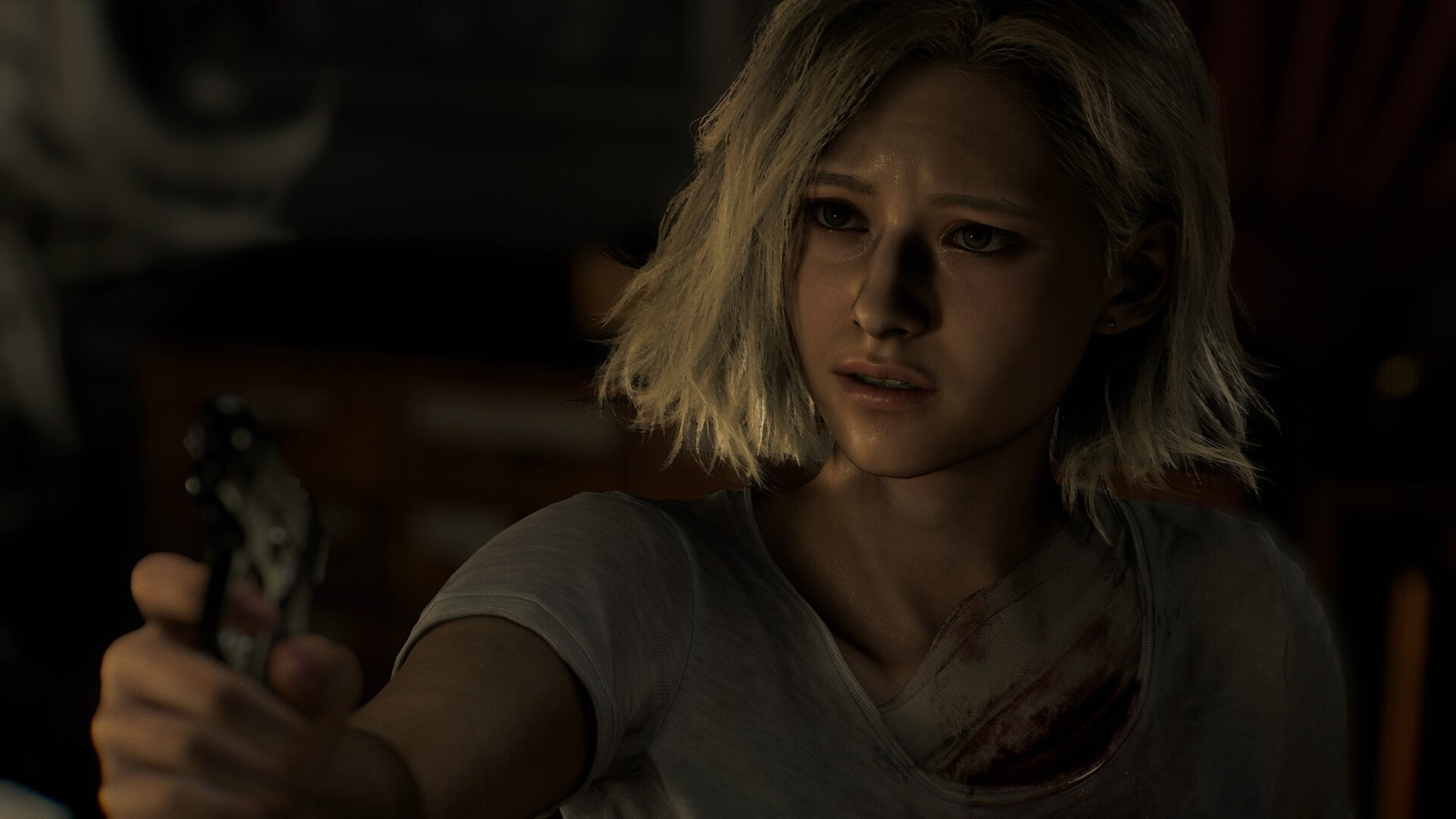
To be fair, photorealistic horror has strengths the PS1 look can't match. Capcom's Resident Evil Requiem, out since February 2026, uses the RE Engine to show wounds, sweat and panic in detail that really gets under your skin. When Grace aims her pistol into the dark, I can read the fear right on her face. For body horror, gross-out moments and jump scares, that closeness is a real advantage.
Cronos: The New Dawn and the Silent Hill 2 remake also prove that big studios can stage horror very effectively. But look at how they do it: with darkness, fog, limited visibility and sounds from somewhere off-screen. Their strongest moments land when they hide something despite all that graphical muscle. In other words, they borrow the exact tool the PS1 look comes with out of the box.
There's another problem I see in a lot of big productions: the more clearly a monster is shown, the faster it loses its bite. The first encounter is terrifying, but by the tenth I know every pore and every animation pattern. A crude polygon monster lurking in half-darkness stays a mystery for much longer.
The techniques side by side: PS1 look vs. photorealism
To show which tools work how in each style, I've lined up the most important techniques. The read on their effect is my opinion as a designer; the examples come from the games covered above.
| Technique | PS1 look | Photorealism | What it does to fear |
|---|---|---|---|
| Fog and darkness | Originally a technical necessity (Silent Hill, 1999) | A deliberate choice (Silent Hill 2 remake, Silent Hill f) | Takes away your overview; danger is heard, not seen |
| Faces | Mask-like, barely any expression (Mouthwashing) | Detailed expressions (Resident Evil Requiem) | Abstract: we interpret. Realistic: we empathize directly |
| Monsters | Silhouettes, rough shapes (Signalis) | Every detail visible | The unclear stays creepy longer; the clear hits harder the first time |
| Image artifacts | Warping textures, grain (Iron Lung) | Usually avoided, or used as a film filter | The world feels unreliable, so we trust nothing |
| Entry price | €7.79 to €19.99 (Steam Germany, as of Nov 16, 2026) | €69.99 (Steam Germany, as of Nov 16, 2026) | Retro horror is a cheap way to find out if the genre grabs you |
Who is PS1-style retro horror for? My picks to start with
If you've mostly played big-budget horror and want to give the PS1 look a shot, here are my recommendations. Prices are regular German Steam prices without discounts, as of November 16, 2026.
- Iron Lung (€7.79): For anyone with just one evening to spare. Steam says it takes under an hour, and it's still one of the most intense horror experiences I know.
- Crow Country (€19.50): For fans of classic Resident Evil-style puzzles. If you'd rather skip the scares, Exploration Mode lets you roam without the monsters attacking you.
- Fear the Spotlight (€19.99): For newcomers. Cozy Game Pals' game was the first title from Blumhouse Games and is officially pitched as a horror adventure for people new to the genre, with stealth sections in a high school after dark.
- Mouthwashing (€12.79): For anyone after psychological horror with a strong story. More in our Mouthwashing review.
- Signalis (€19.99): For survival horror fans who like scarce resources, puzzles and a cryptic sci-fi story.
If that gives you an appetite for the big classics, our list of the scariest horror games of all time has plenty more picks. And I've looked at why horror remakes keep selling so well in Horror remakes: nostalgia instead of new ideas?
Our take
To me, the PS1 look in horror isn't a retro gimmick. It's one of the most effective tools the genre has. It shows less, so we think more. Iron Lung, Crow Country, Mouthwashing and Signalis prove that fear doesn't come from polygons, it comes from gaps.
Photorealism has its place, especially for body horror and emotional closeness. But even the big studios reach for fog and darkness the moment things are supposed to get truly creepy. My wish for them: have the guts to show less now and then. And my tip for you: give the rough look a chance, and let your imagination do the rest. Which retro horror game scared you more than any AAA blockbuster?