Lena Vogt
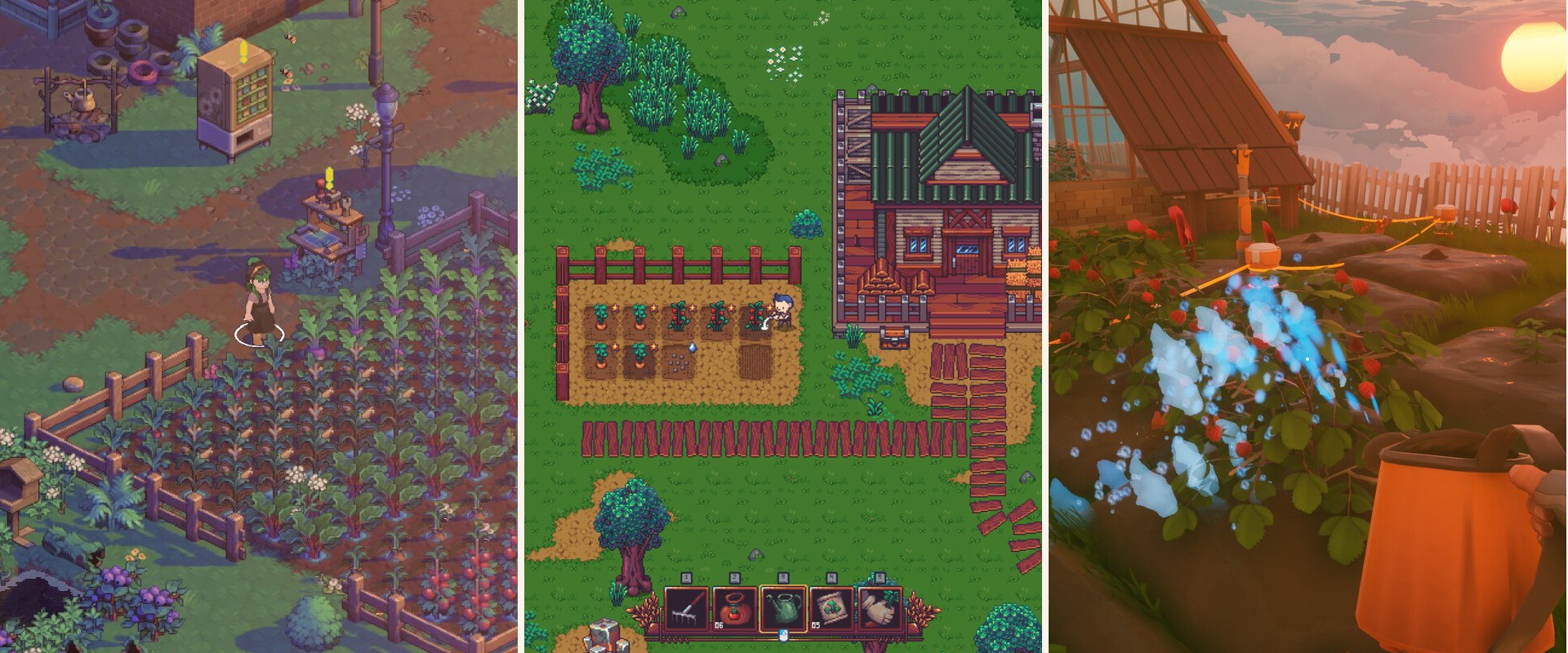
Every year brings dozens of farming sims with a pixel farm, a cozy town and a cast of marriage candidates. Plenty of people dismiss them as Stardew clones. My take: the problem isn't the inspiration, it's games that copy without planting anything of their own.
As the editor covering cozy games, sims and farming, I feel like I end up on a new farm every week. And yes, sometimes I get déjà vu: grandpa's letter, an overgrown field, a friendly mayor. Still, I think the blanket clone criticism is too easy.
In this article
Stardew Valley borrowed too
If we're talking about clones, it helps to know where it all began. In 1996, Bokujō Monogatari launched in Japan, known in the West as Harvest Moon. It was created by Yasuhiro Wada, inspired by his childhood in the countryside.
Eric Barone actually started Stardew Valley as a kind of Harvest Moon clone to teach himself programming. He was a huge fan of the series and simply couldn't find a good substitute on PC. In a 2016 interview, Wada said Stardew Valley carries on the legacy of the original Harvest Moon very well, precisely because of the freedom it gives players.
For me, that's the heart of the debate: Stardew Valley wasn't a clone because it didn't stop at copying. It refined systems, gave cooking a real purpose, and built out the mines and relationships.
Why Stardew sets the bar
For its tenth anniversary in February 2026, Barone announced 50 million copies sold. On top of that, he has expanded the game with free updates for a decade and has another one in the works. That puts the bar for any new farming sim absurdly high.
No wonder studios look to that success. Anyone making a game with a farm, seasons and a village community is going to get compared. The only question is whether the game has something to push back with.
There's another point that tends to get lost in the debate: farming sims live on routine. Watering, harvesting, selling, building friendships. That loop isn't a sign of a lack of ideas, it's the foundation of the genre. What matters is what a game builds around that loop: story, world, characters and the feeling that your work actually changes something.
Fields of Mistria: clone or evolution?
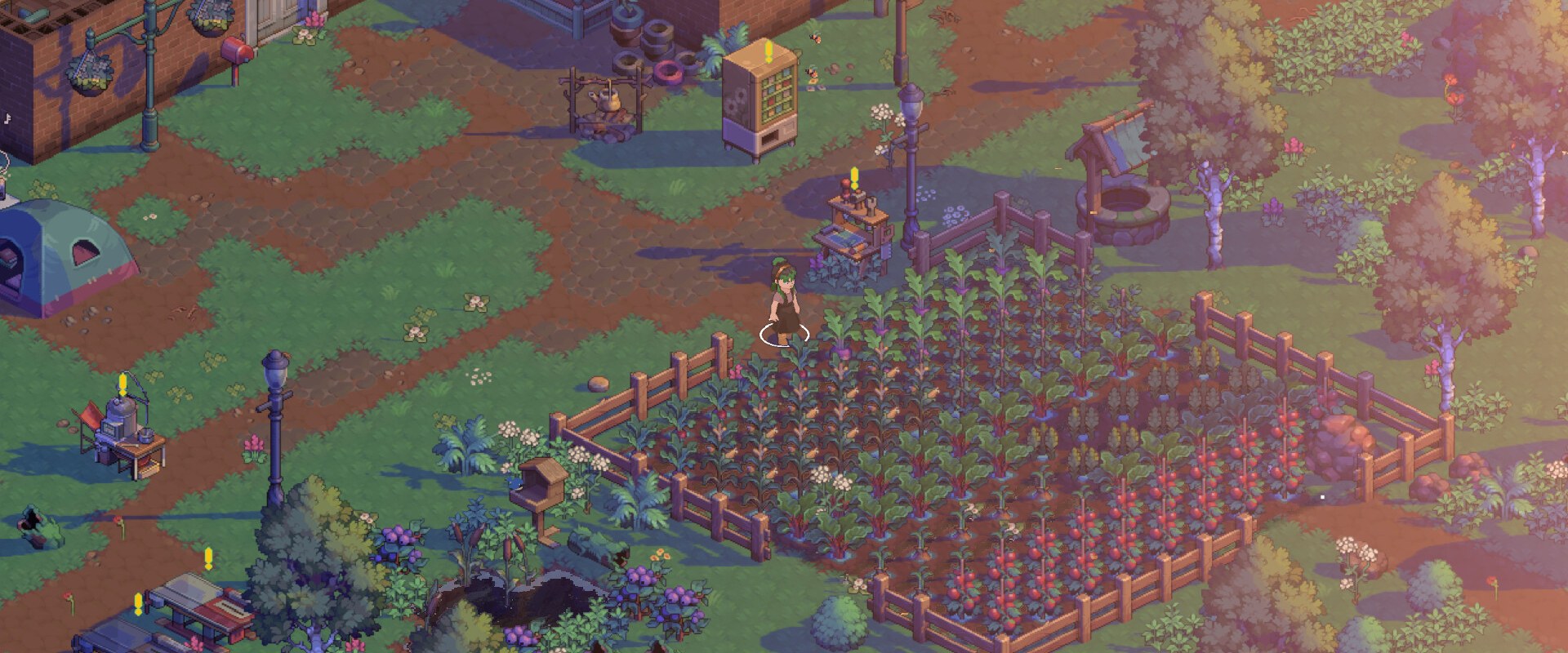
The best counterexample to the clone argument, for me, is Fields of Mistria from NPC Studio. At first glance everything feels familiar: farm, town, romance. But with its 90s anime look, magic and tons of quality-of-life features, it has a clear identity of its own.
Players clearly agree. On August 5, 2026, the game left Early Access after exactly two years, and NPC Studio announced more than one million copies sold that same week. Its Steam reviews sit at Overwhelmingly Positive.
That tells me the market isn't saturated. Give Stardew fans something genuinely new, and there's a massive audience waiting.
Where new ideas grow
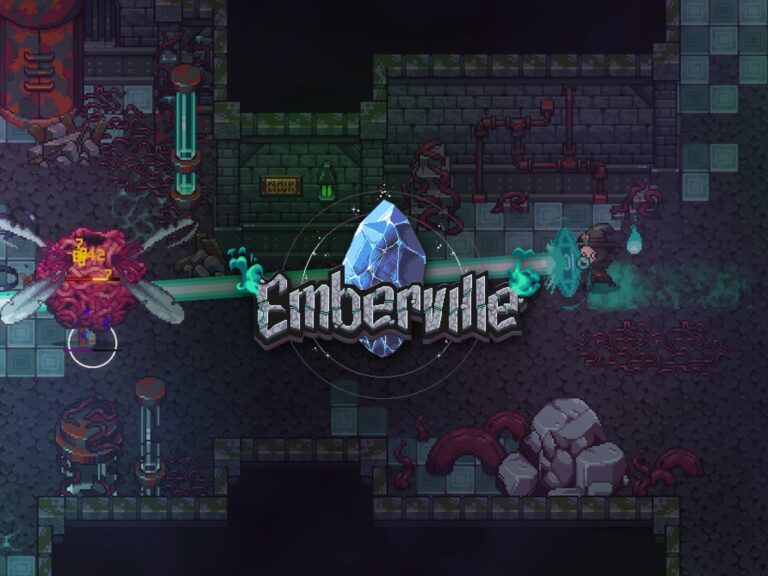
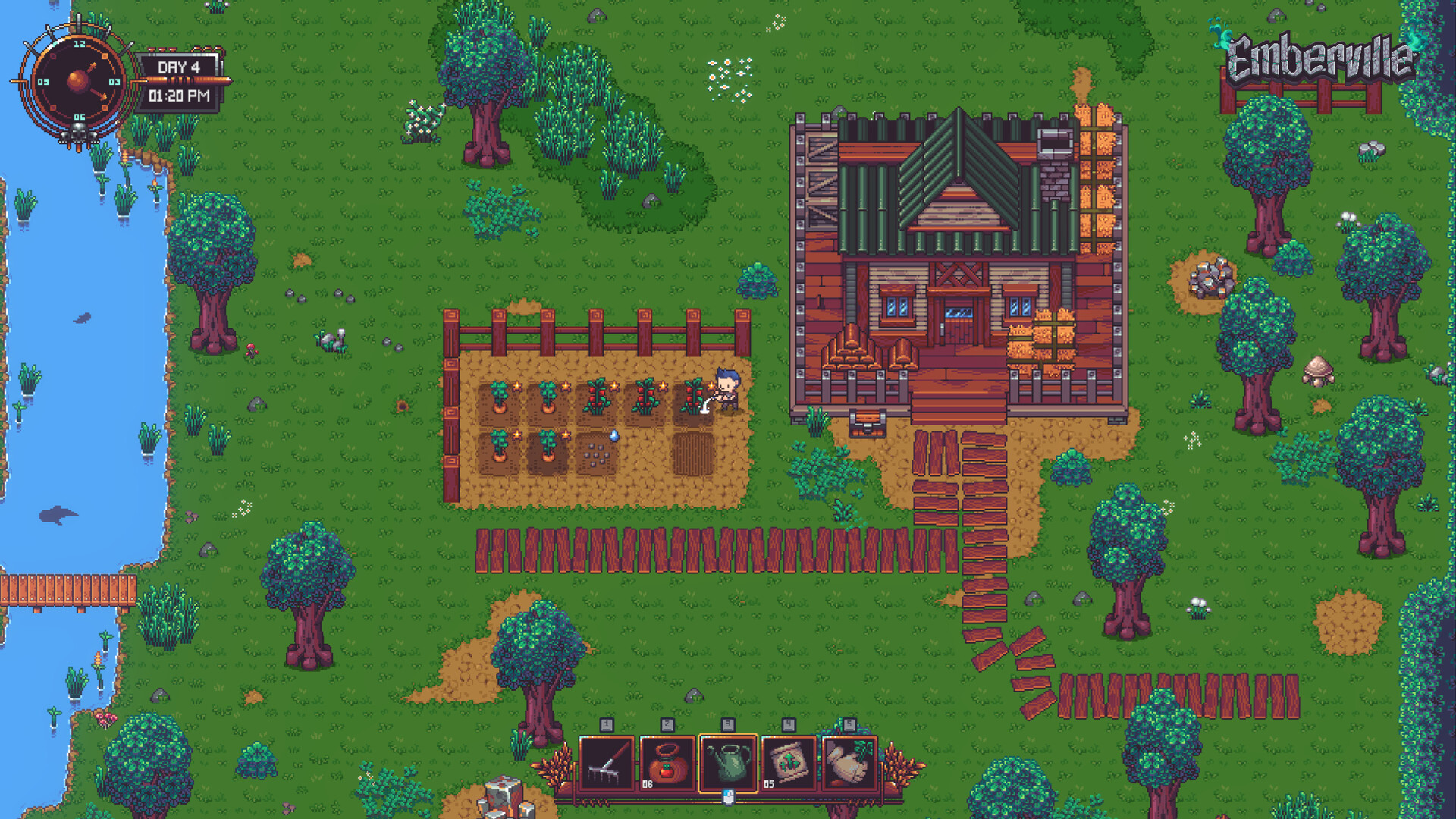
The most exciting farming games lately, for me, are the ones that cross the genre with something unexpected. Emberville from Cygnus Cross combines rebuilding a town with action RPG combat. It's more than a farm with a sword, because each half drives the other.
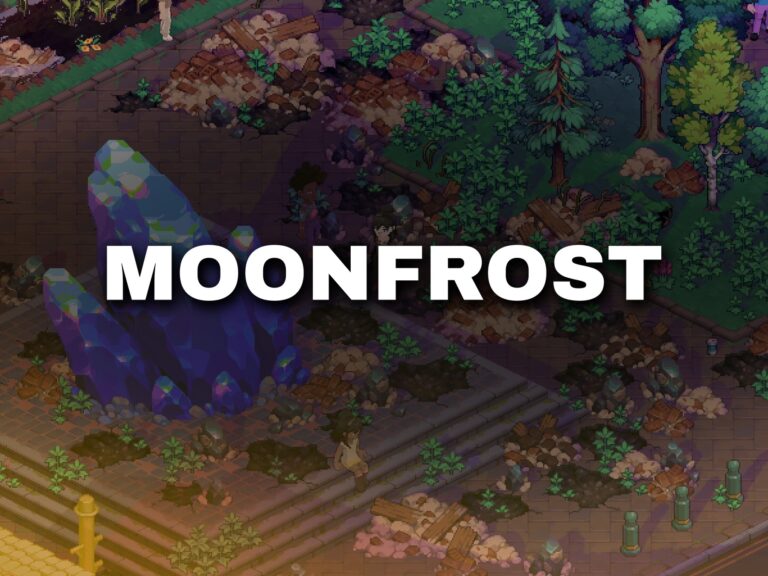
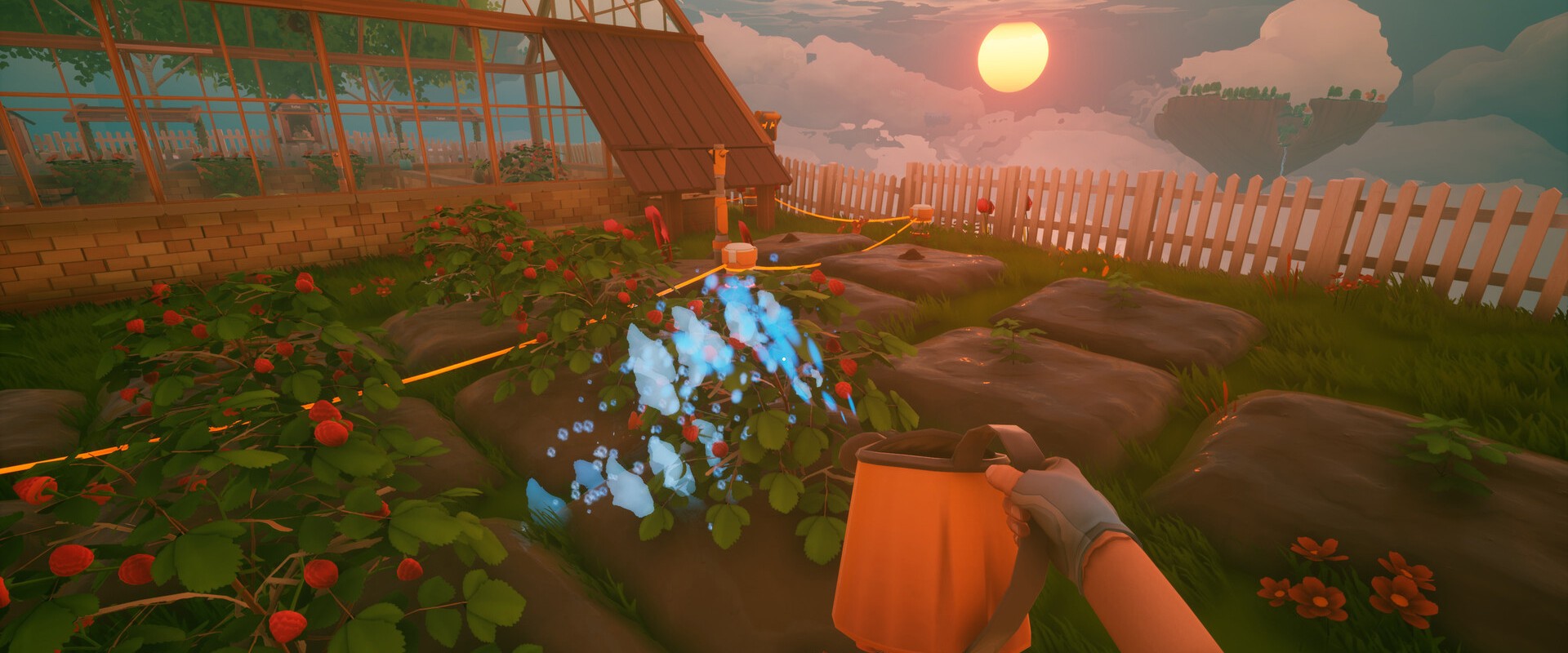
Moonfrost from Oxalis Games mixes farming and town building with a surprisingly dark story about a second moon. Solarpunk, meanwhile, turns the survival formula into an optimistic building game with gardens on floating islands.
How I spot a real Stardew clone
Over the years I've built myself a little checklist. If several of these apply, I get skeptical:
- The opening is almost identical, inherited farm and letter included.
- The characters are familiar archetypes with no story of their own.
- New systems feel bolted on and don't connect with each other.
- The art copies Stardew's pixel style without finding its own look.
- There's no reason to play it instead of Stardew Valley.
That last one matters most. A game is allowed to feel familiar. But it has to give me a reason to spend my time there instead of on my old farm in Pelican Town.
My verdict: too many weak clones, but not a genre problem
Yes, there are too many farming sims that just trace over the original. But farming as a genre isn't oversaturated, it has grown up. Harvest Moon inspired Stardew Valley, and Stardew now inspires Fields of Mistria, Emberville and Moonfrost. That's what a healthy genre looks like.
I'd like to see studios take more risks with their own ideas, and players show a bit more patience with something new. Which farming sim is more than a clone for you? Let me know in the comments.