 Luca Dreyer
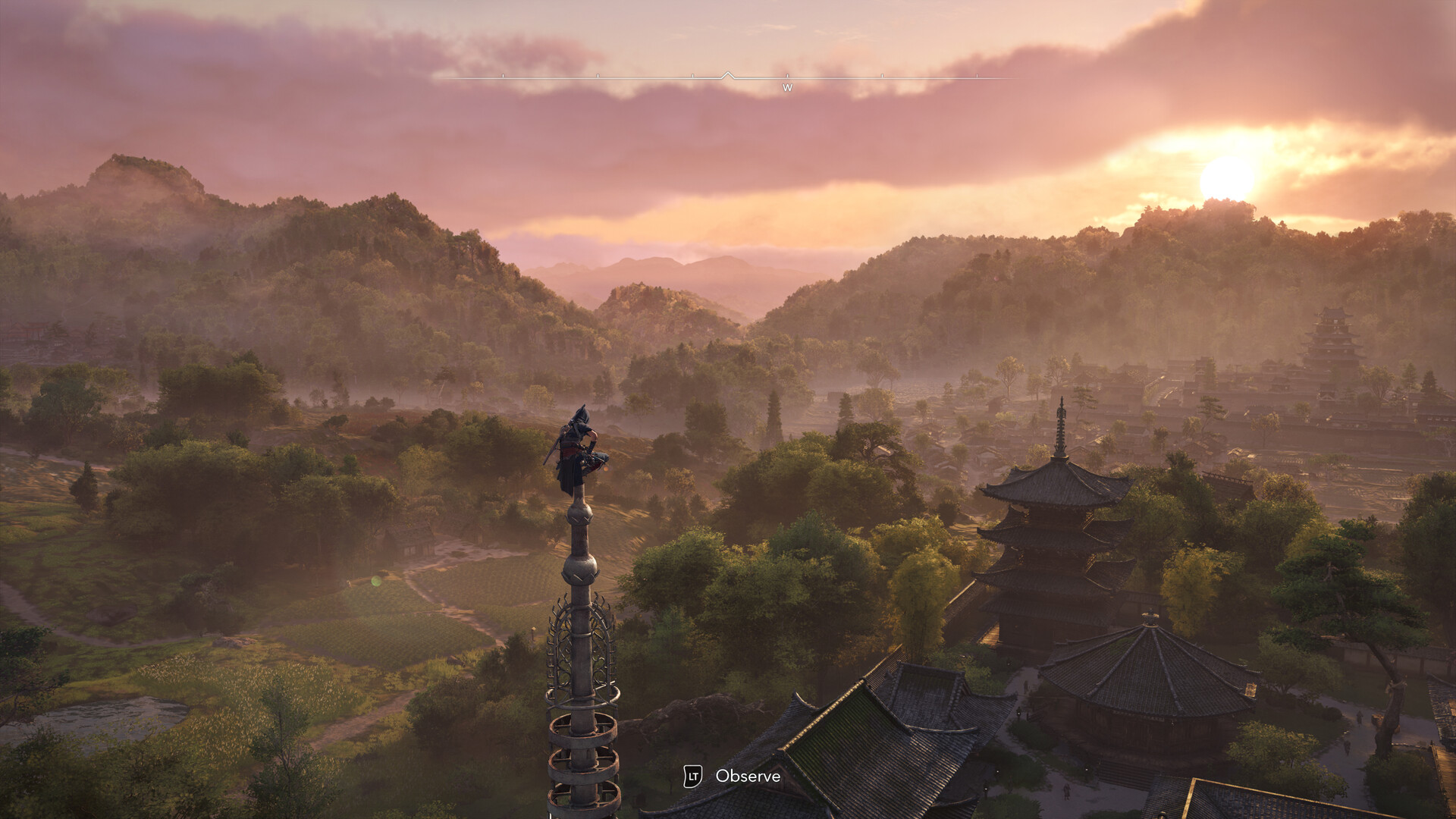
Many of us have spent hours on the rooftops of Florence, stormed outposts in Far Cry and lost ourselves in Anno's production chains. That's exactly why it bothers me how often people act as if Ubisoft mainly has a quality problem. I see it differently: Ubisoft's business model is the real risk, not the games.
Look at the last two years and you won't see a company that suddenly forgot how to make games. You'll see a corporation that spent a decade committing to a model that eats up ever more money, ever more people and ever more time: huge open worlds, as many systems as possible, as much content as possible, funded by a handful of franchises. That model only works as long as every big release becomes a hit. And that no longer happens reliably.
Ubisoft's business model in numbers
The numbers are clear. In fiscal year 2025-26, according to its own earnings report, Ubisoft posted net bookings of €1.525 billion, 17.4 percent less than the previous year. The IFRS operating result came in at minus €1.32 billion. For the current fiscal year 2026-27, the company itself expects net bookings to fall again slightly, by a high single-digit percentage, along with a negative operating margin.
At the same time, Ubisoft is cutting costs massively. By its own account, fixed costs have been reduced by around €325 million since fiscal year 2022-23, with the goal of €500 million by March 2028. In January 2026, the company also announced a major restructuring: new “Creative Houses,” canceled projects, including the long-awaited Prince of Persia: The Sands of Time remake, and delayed games. That sounds like cleaning house. To me, it mainly sounds like an admission that Ubisoft's old business model can't carry on like this.
The games aren't the big problem at all
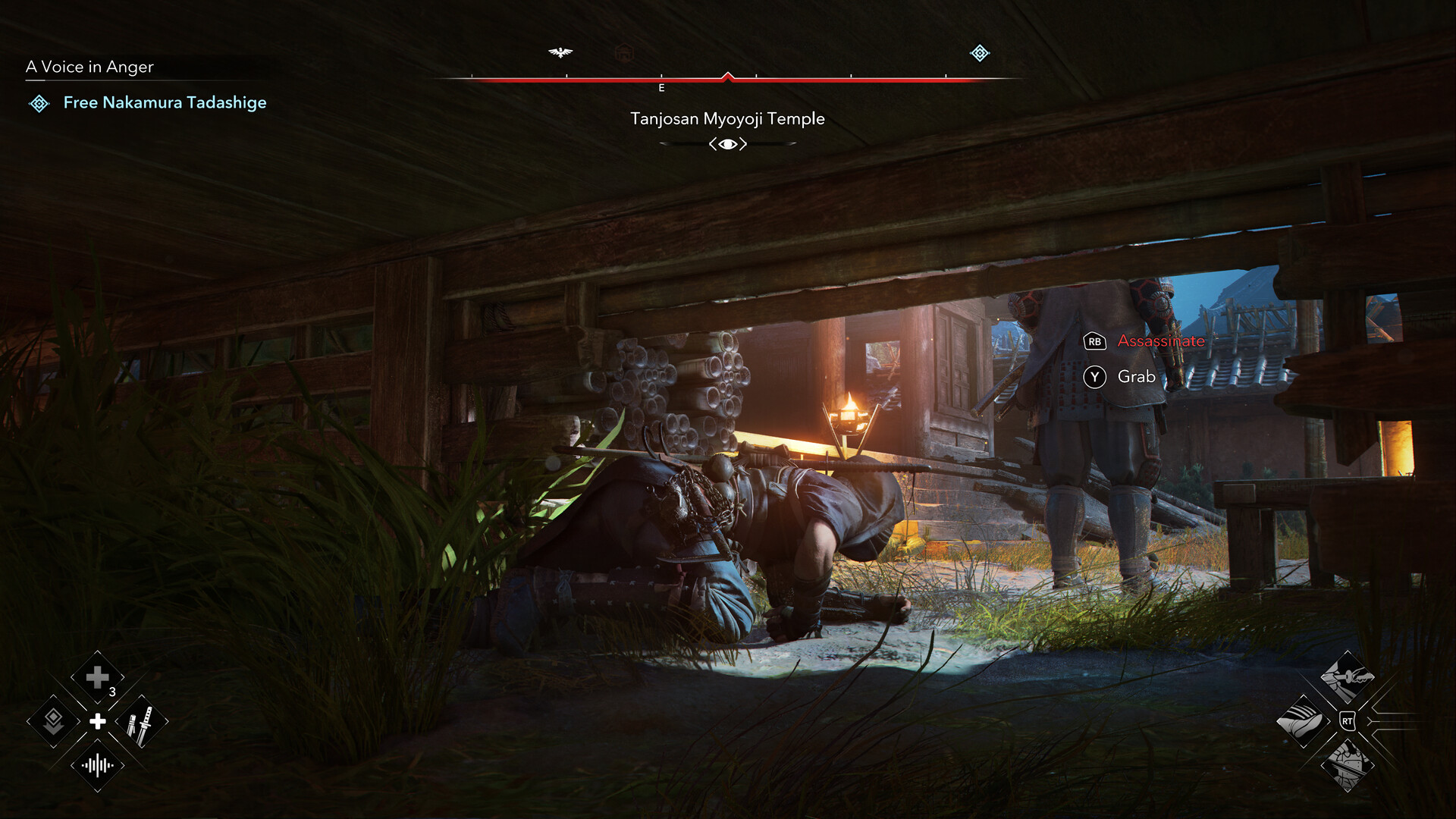
Now comes the part that gets lost in many debates: the quality is often there. In its annual report, Ubisoft itself highlights that Assassin's Creed Shadows, Anno 117: Pax Romana and the expansion for Avatar: Frontiers of Pandora all score above 80 on Metacritic. And with Prince of Persia: The Lost Crown, a smaller, focused Metroidvania arrived that many players consider one of Ubisoft's best games in years.
Bad games look different. The problem is that a “good” game isn't enough at Ubisoft. When a project ties up many years and teams across several continents, it doesn't just need to be good, it needs to be a gigantic success. In this model, a solid moderate success is a financial problem.
Ever bigger, ever more expensive: the open-world trap
Ubisoft shaped the modern open-world recipe: reveal the map, tick off icons, capture outposts, upgrade gear. That was fresh ten years ago. Today, many of us recognize within ten minutes which loop we'll be playing for the next 60 hours. And that's exactly the problem for me: many people don't drop these games because they're bad, but because they know the structure too well already.
That would be manageable if these worlds were cheap. But they're the most expensive thing you can build in the industry. Every new generation wants more detail, more characters, more systems. Skull and Bones is the prime example: announced in 2017, released in February 2024 and, according to VGC, called a “quadruple-A” game by Yves Guillemot. The end result was a pirate game hardly anyone talks about anymore. More budget didn't buy more fun there.
Dependent on very few franchises
The second building block of the problem is the franchise strategy. In 2025, Ubisoft founded Vantage Studios, its own subsidiary built around Assassin's Creed, Far Cry and Rainbow Six. According to Ubisoft, Tencent invested €1.16 billion in it and holds 26.32 percent. That eased the balance sheet, but it also shows where Ubisoft sees its value: in three franchises.
For the current fiscal year, Ubisoft's outlook names Assassin's Creed Black Flag Resynced, a remake of a 2013 game, as its big title, along with other “targeted premium games based on established Ubisoft franchises.” The company doesn't expect a big recovery until 2027-28, with new Assassin's Creed, Far Cry and Ghost Recon games. When a company ties its future this closely to a few series, one weaker entry is enough to put an entire fiscal year at risk.
Live service as a lifeline? XDefiant shows the risk
The obvious answer for many publishers is to build evergreen games that bring in money for years. Ubisoft pulled that off with Rainbow Six Siege. With XDefiant, it didn't work. In December 2024, Ubisoft announced the end of the free-to-play shooter, and the servers went offline on June 3, 2025. The studios in San Francisco and Osaka were closed and the Sydney location wound down. According to Ubisoft, 143 people left the company in San Francisco, and another 134 in Osaka and Sydney were affected.
So live service isn't a business model you can just switch on. It's a second, equally expensive race against Fortnite, Call of Duty and the rest.
Can Ubisoft make money without ever-bigger games?
Yes, and that's exactly the point of my opinion. Ubisoft has the studios, the tech and the talent to make smaller, bolder games. The Lost Crown proved it can be done. Anno shows that a loyal niche works reliably for years. What's missing is the courage not to inflate every project into the next 200-hour universe.
I'd like Ubisoft to build games with clear boundaries again: 20 to 30 hours, one strong idea, one dense world instead of a huge one. Games like that are cheaper, get finished faster and don't need to sell ten million copies to pay off. The new structure with its own Creative Houses could make exactly that possible, as long as it isn't just used to save money.
My verdict: Ubisoft's business model has to get smaller
Ubisoft won't fail because of bad games. Ubisoft will fail if it keeps believing every game has to be bigger, more expensive and longer than the last. The 2025-26 numbers show that this model has hit its limit. The good news: the games themselves are often good enough. Now the business model just needs to match. I honestly hope Ubisoft seizes this chance, because ten years from now, I still want to be climbing rooftops built by this studio.
You'll find more about the publisher on our Ubisoft page.