 Felix Wagner
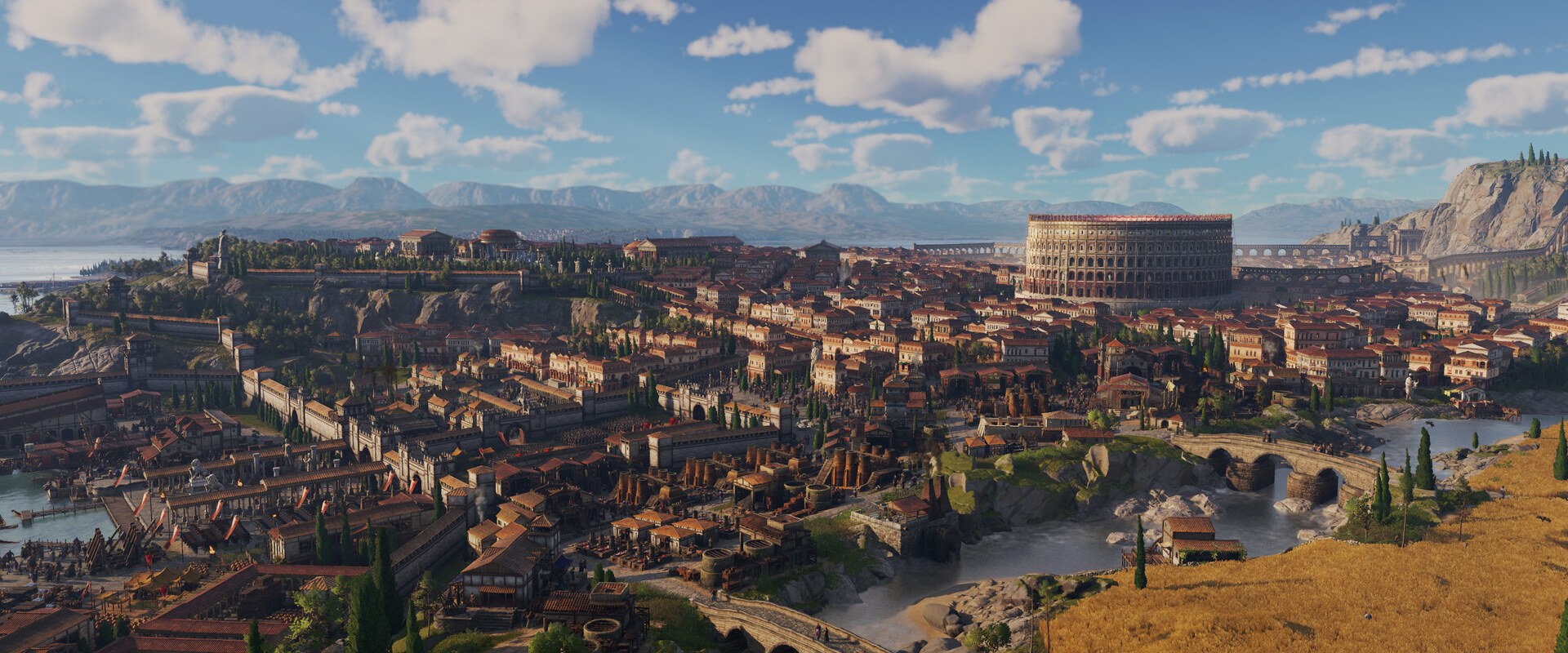
City builders are the most honest games out there. No lucky shot, no fast reflexes and no memorized boss pattern will save you. Plan badly and you see it right away: the supply chain snaps, the treasury goes red, the city burns or votes you out. That honesty is exactly why Anno 117, Frostpunk 2 and their peers have kept me hooked for hundreds of hours.
Table of contents
You can't bluff a city builder
I've been playing city builders and strategy games for as long as I've been able to hold a mouse, and at some point I realized why I'm so much more patient with this genre than with any other. In a shooter, I can blame a bad night on lag, matchmaking or a lucky headshot. In a city builder, I can't. When my city collapses, the mistake is almost always mine, and the game shows me exactly where I made it.
That's the core of my argument: great city builders are systems with no shortcuts. Every decision has a consequence, and that consequence doesn't drop out of nowhere as a punishment. It follows logically. Not enough wood means no new houses. Too many workshops means upkeep you can't afford. A big city without a fire station means fire.
Sounds harsh, but it's incredibly fair. And fairness is what carries a game over hundreds of hours. Three very different examples show what that looks like in practice, and one of them is a cautionary tale.
Anno 117: The supply chain never forgives
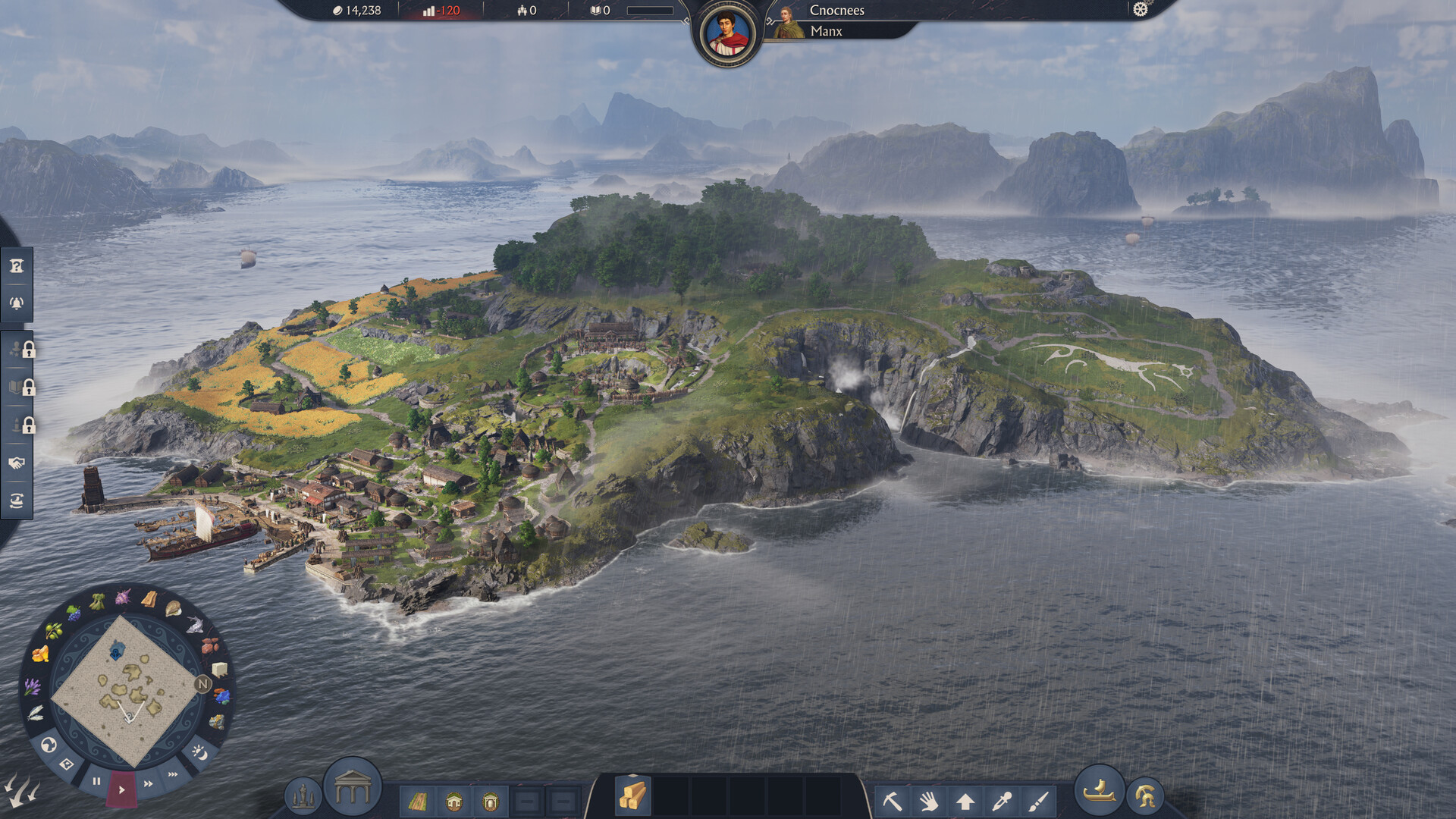
Anno 117: Pax Romana launched on November 13, 2025 for PC, PlayStation 5 and Xbox Series X|S. It was developed by Ubisoft Mainz and published by Ubisoft. On Metacritic, the PC version holds a Metascore of 84. Our own review landed at 72 percent, partly because of its limited content at launch. But there's no doubting the core design, and that design is brutally honest.
Your citizens have needs, and you meet them with goods, not promises. According to the Anno Union dev blog, consumption is calculated across the whole island and pulled straight from storage. Only once enough needs are met do residences upgrade to the next population tier, and only then do you unlock new buildings and production chains.
Then there's the math, which doesn't take excuses. According to the official beginner's guide, the Woodcutter and the Sawmill both run on 30-second cycles, so a 1:1 ratio works. Bread is trickier: Wheat Farm 60 seconds, Grain Mill 30 seconds, Bakery 60 seconds. For peak efficiency, you want two farms, one mill and two bakeries. If you eyeball it instead of doing the math, you'll find out the moment your warehouse runs dry.
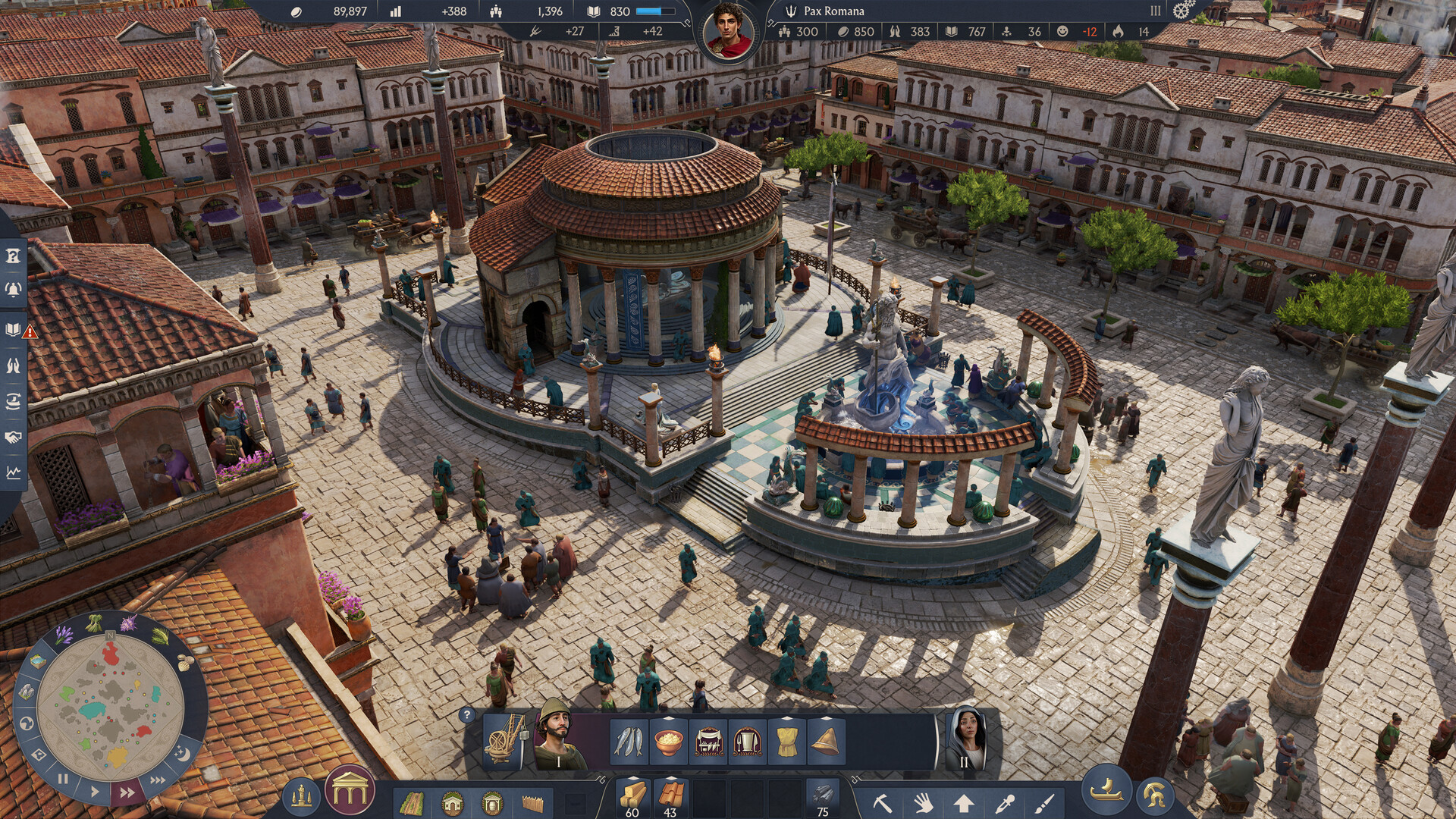
And then there are the stats that show no mercy. According to the developers' advanced tips, Anno 117 tracks eight attributes, including Health, Happiness and Fire Safety. The bigger your city grows, the harder those three drop. Ignore them and the bill arrives: low Happiness sparks riots, low Health brings plagues and poor Fire Safety means fires. Turns out putting that bakery in the middle of a residential block wasn't such a great idea after all.
The best part is that Anno tells you exactly why. On the statistics screen, a green bar shows production and a white bar shows consumption. If the white bar is longer, you're in trouble. Mistakes aren't random here, you can read them. That's why every restart feels less like a defeat and more like the next, better version of your city.
Frostpunk 2: When your city votes you out
If Anno is honest, Frostpunk 2 is brutally honest. The game from 11 bit studios launched on PC on September 20, 2024, according to Steam, with the PlayStation 5 and Xbox Series X|S versions following on September 18, 2025. The PC version sits at 85 on Metacritic.
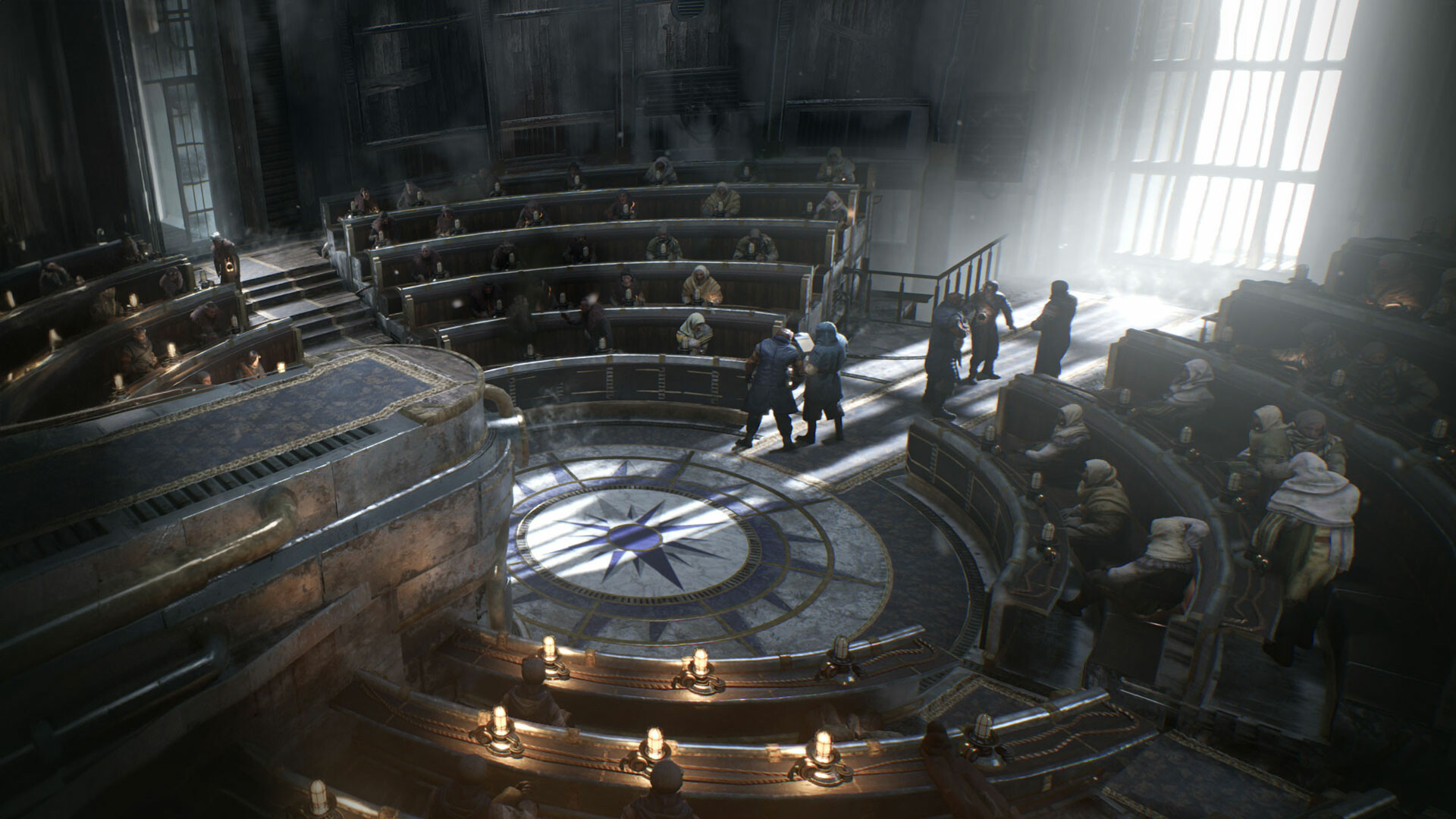
Here, it's not enough to keep coal, food and materials in balance. You're governing a society. The Council Hall seats 100 delegates, split according to the size of each faction. Most laws need 51 votes, and laws that expand your own power need 67. If you don't have the majority, you have to negotiate and make promises.
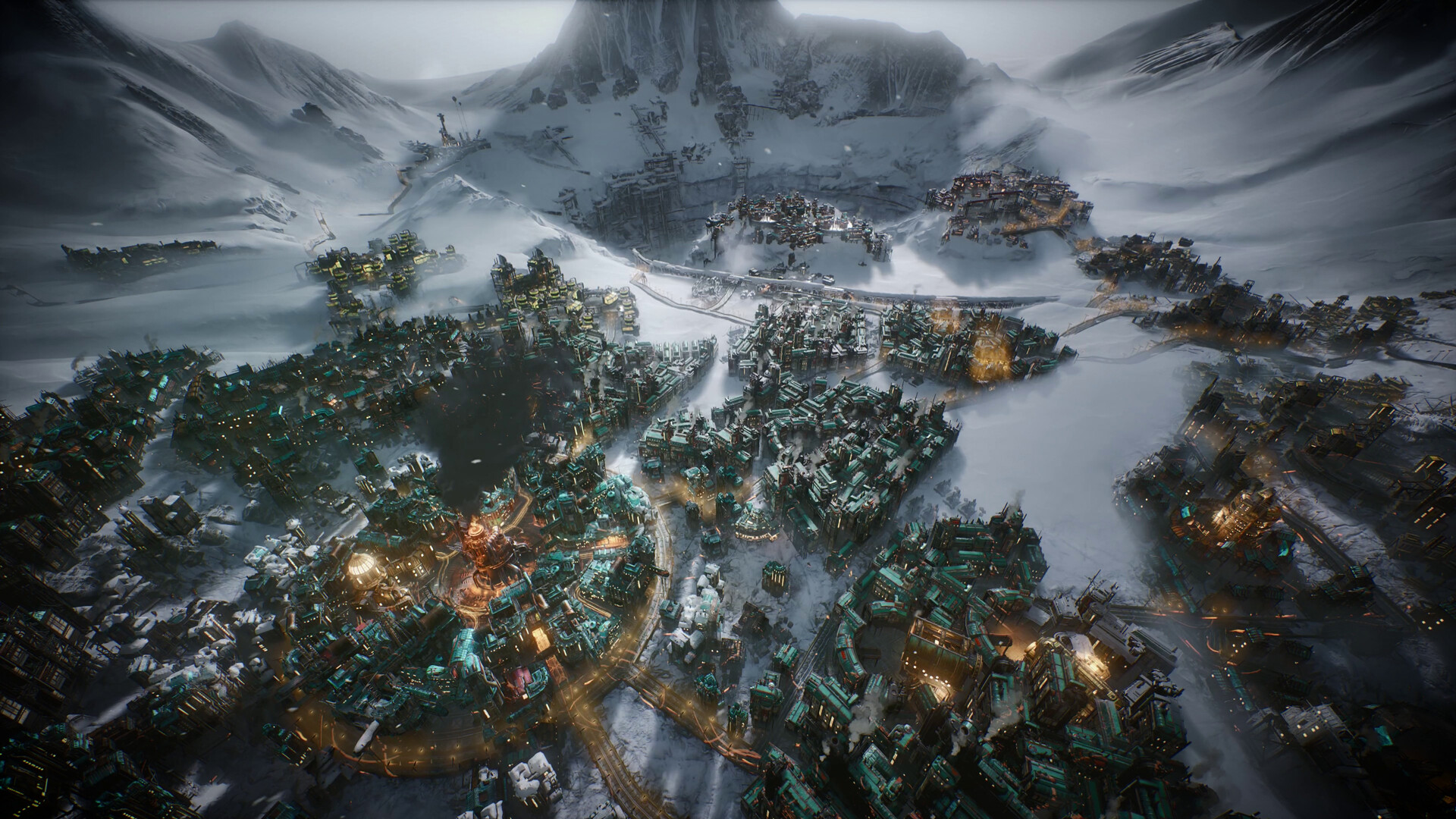
Those promises are the most honest mechanic I know of in any city builder. Break them and you lose Trust. If Trust bottoms out, you get an ultimatum: bring it back up to 25 percent or it's game over. At the same time, Tension in the city climbs whenever cold, hunger, disease, squalor or crime get out of hand. If you can't bring it back under control, your time as Steward ends in exile.
That makes Frostpunk 2 the logical next step from Anno's idea: it's not just your economy that has consequences, it's your politics too. You can't talk your way out of it, you can only plan better. That can be frustrating at times, but it's never unfair.
Cities: Skylines 2: What happens when a city builder cheats
Now for the counterexample, and to me it's the most interesting one. Cities: Skylines 2 from Colossal Order and Paradox Interactive launched on PC on October 24, 2023. Its predecessor, Cities: Skylines, had been the benchmark for city builders for years. Expectations were sky-high.
The launch was rocky, and the studio knew it beforehand. On September 28, 2023, Paradox delayed the console versions, refunded pre-orders and raised the PC minimum specs. In the week before release, Colossal Order warned that performance would fall short of its own target. And that's exactly what a lot of players got: low frame rates, even on powerful rigs.
But another problem interests me much more, because it goes straight to my point. In February 2024, Colossal Order CEO Mariina Hallikainen publicly apologized that the economy simulation hadn't met the studio's own quality bar at launch. In its Economy 2.0 development diary, the studio was blunt: the government subsidies meant to prop up young cities had taken agency and consequences away from players. Why build a balanced economy if the government covers all your costs anyway?
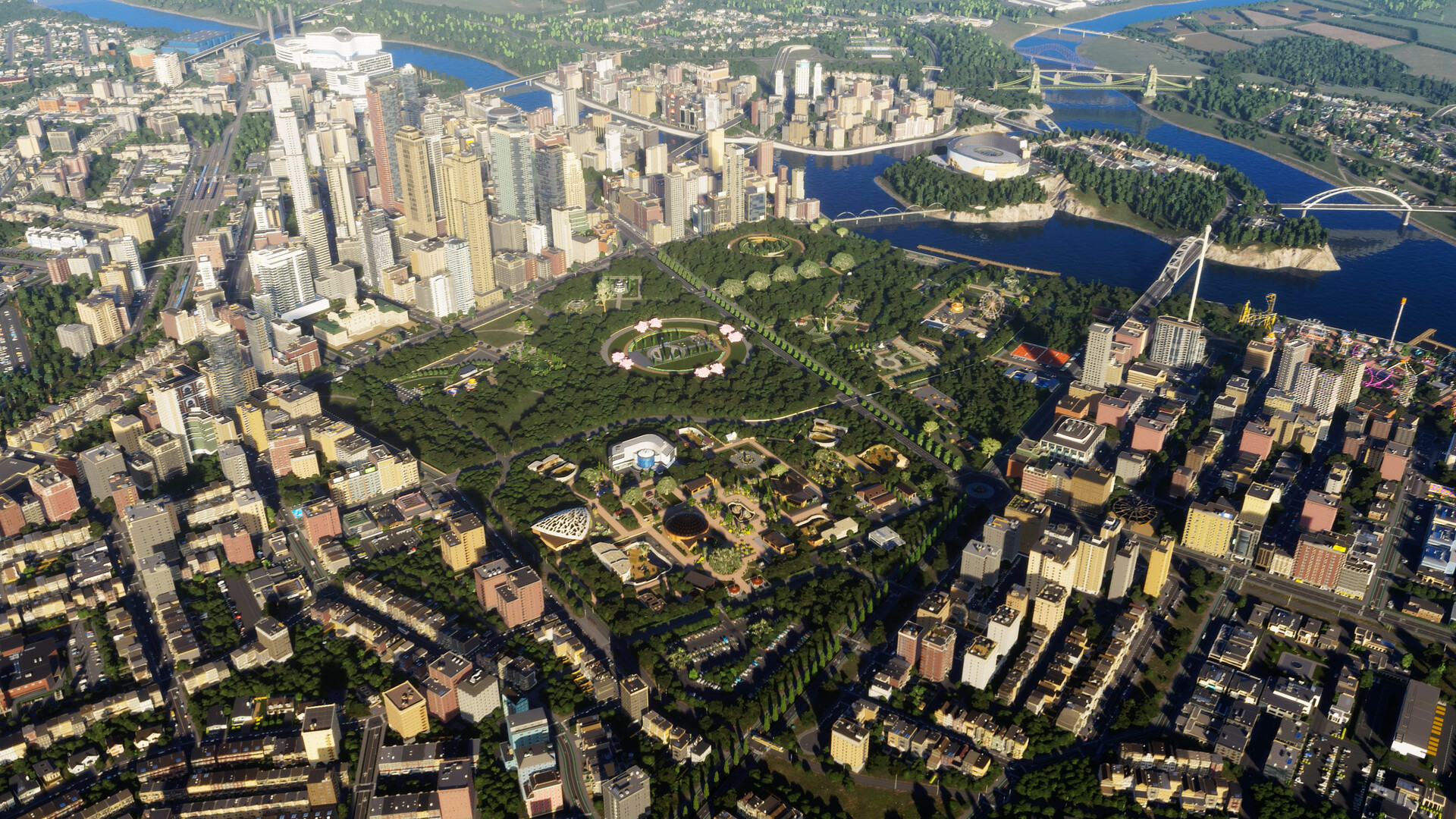
And that's the whole point. A city builder that quietly papers over bad planning takes away the very thing you play it for. With patch 1.1.5f1 and the Economy 2.0 update on June 24, 2024, Colossal Order scrapped subsidies entirely. Back in April 2024, Paradox had already made the first expansion, Beach Properties, free and refunded buyers where possible.
The scars are still visible today. Cities: Skylines 2 sits at 74 on Metacritic, and only 58 percent of its English-language Steam user reviews are positive. Since the start of 2026, Iceflake Studios has been in charge of development, and the console versions still don't have a release date. At least the new studio's first expansion, Park Adventures, arrives on December 2.
For me, the lesson for the industry is clear: city builder fans forgive a lot. Heavy systems, steep learning curves, crushing defeats. What they won't forgive is a simulation that isn't honest. If the numbers lie, planning loses all meaning.
Why honest failure keeps you playing for hundreds of hours
Why do people sink hundreds of hours into a genre where they fail constantly? My answer: because every failure teaches you something. In Anno, I learn to work out ratios. In Frostpunk 2, I learn not to make promises I can't keep. In Cities: Skylines, I learn that a single badly planned interchange can grind an entire city to a halt.
I rarely get that feeling of a truly earned win as clearly in any other genre. When my city finally runs, it's because I made it run, not because the game cleared the way for me. That sense of ownership is addictive, in the best possible way.
What matters, though, is that the game doesn't dump all its complexity on you at once. I wrote in detail about how the best city builders unlock their systems layer by layer in my opinion piece on complexity and accessibility in city builders. Honesty and accessibility aren't opposites. They belong together.
New to the genre? Which city builder is right for you
Have you stayed away so far because all those menus look intimidating? Here's my honest recommendation for which game suits which type of player.
| Game | Release | Platforms | Right for you if … |
|---|---|---|---|
| Anno 117: Pax Romana | Nov 13, 2025 | PC, PS5, Xbox Series X|S | you love crunching supply chains and building beautiful cities |
| Frostpunk 2 | Sep 20, 2024 (PC), Sep 18, 2025 (consoles) | PC, PS5, Xbox Series X|S | you enjoy tough choices and politics |
| Cities: Skylines 2 | Oct 24, 2023 | PC | you want to plan traffic, zoning and a huge metropolis |
And to make your first steps easier, here are a few tips from my own experience and from the developers' official advice:
- Anno 117: Grow slowly. The developers themselves advise against setting up every new chain right away. Only build as many production buildings as your homes need, because every one of them costs upkeep. You start out in the red anyway.
- Anno 117: Use the statistics screen. Click the portrait at the top center. Green is production, white is consumption. When both bars are the same length, your chain is running smoothly.
- Anno 117: Make life easier. If you'd rather build without pressure at first, our guide to Anno 117 cheats, official mods and trainers covers every option (in German).
- Frostpunk 2: Start on Citizen. On the lowest difficulty, resources are plentiful and citizens are easier to please. You pick the difficulty at the start and can't change it later.
- Frostpunk 2: Promise less. Every broken promise costs Trust. Better to pass a law later than to turn the factions against you.
- Cities: Skylines 2: Watch your budget. Since Economy 2.0, there are no more subsidies. City service buildings come with hefty upkeep, so hold off on that university until your economy can carry it.
Our take
To me, city builders are the most honest games there are. Anno 117 shows you every miscalculated supply chain, Frostpunk 2 makes you pay for every broken promise, and Cities: Skylines 2 showed what happens when a game gives up that honesty. The fact that Colossal Order ended up scrapping the subsidies itself is the strongest argument for this take.
My advice to anyone who's been hesitating: don't be afraid to fail, because failing is the whole point. Your first city will collapse. Your second will last longer. And at some point you'll be sitting in front of a metropolis at 2 a.m. that actually works, knowing you earned every single citizen. Which city builder punished you the hardest, but the fairest? Let me know in the comments.