Robin Hartmann
Call of Duty finally needs a break. Yesterday, yet another new entry arrived with Modern Warfare 4, just eleven months after Black Ops 7. I've enjoyed the series for many years, but the annual cycle now does it more harm than good. An opinion piece.
In this article
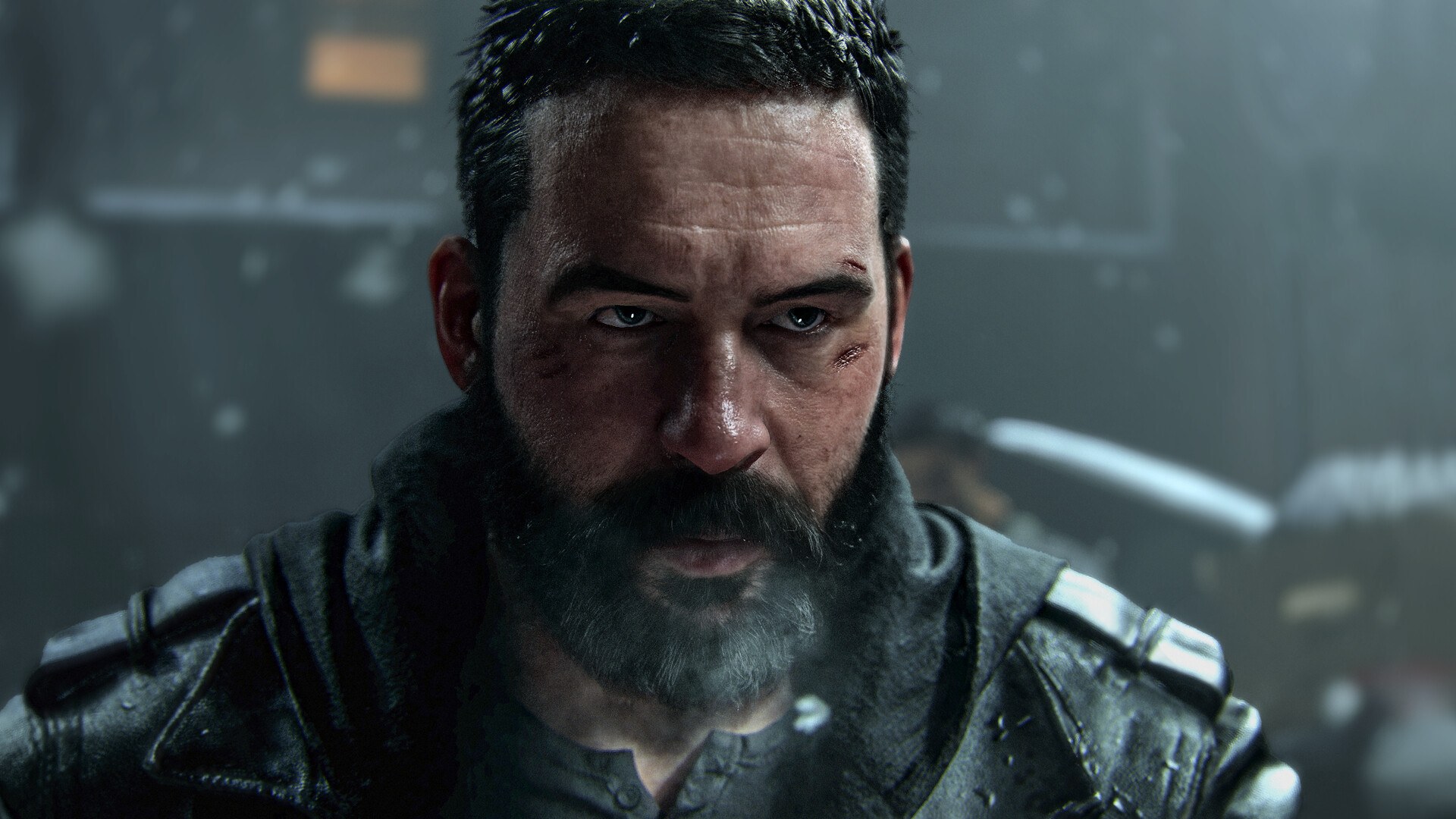
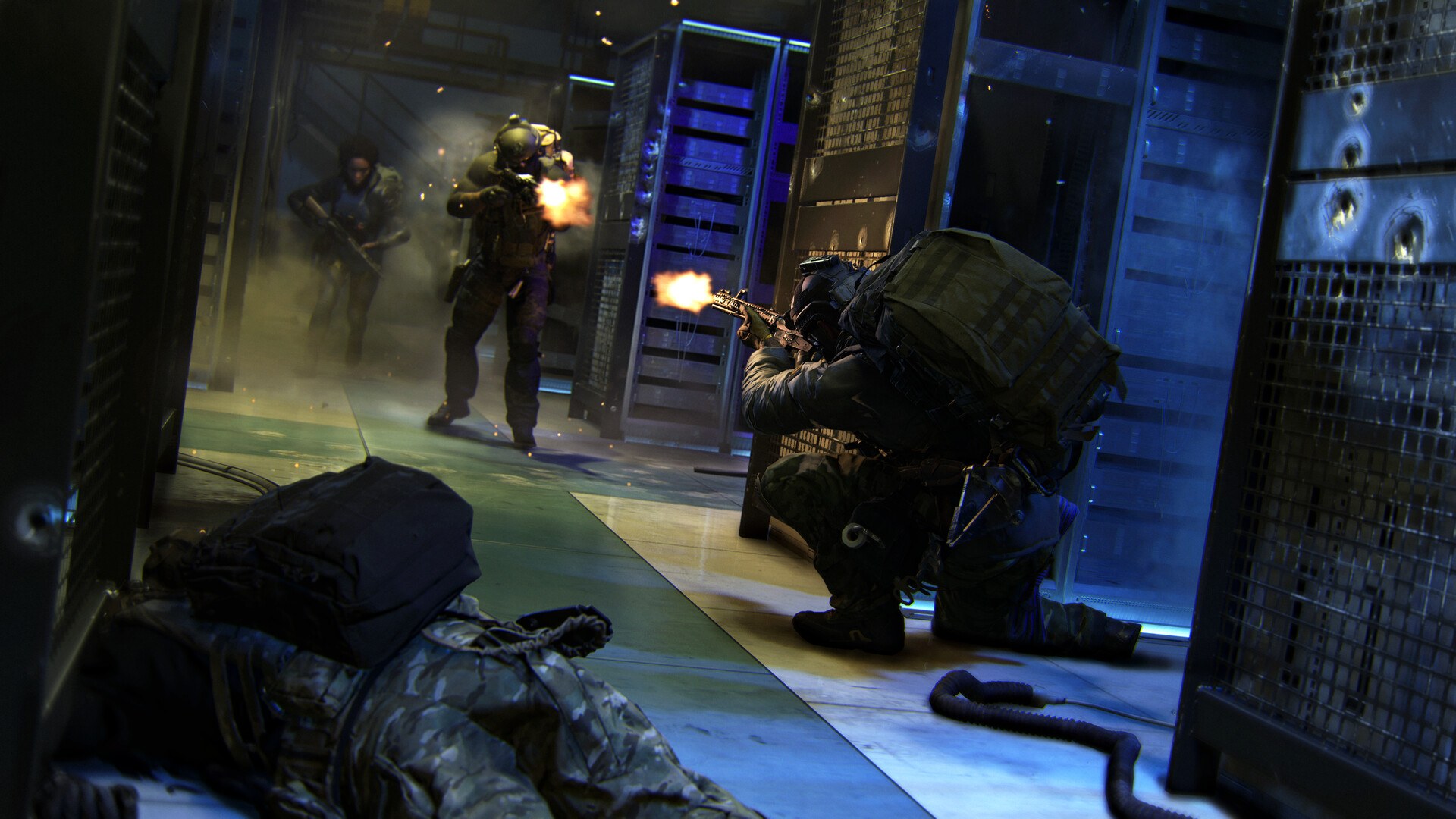
A new Call of Duty every year
Since the first game in October 2003, Call of Duty has been one of the most successful series in gaming history. According to Activision, more than 400 million full-price games had been sold by April 2021. That success was hard-earned, but it comes at a price: a new mainline game arrives almost every year, with the studios taking turns.
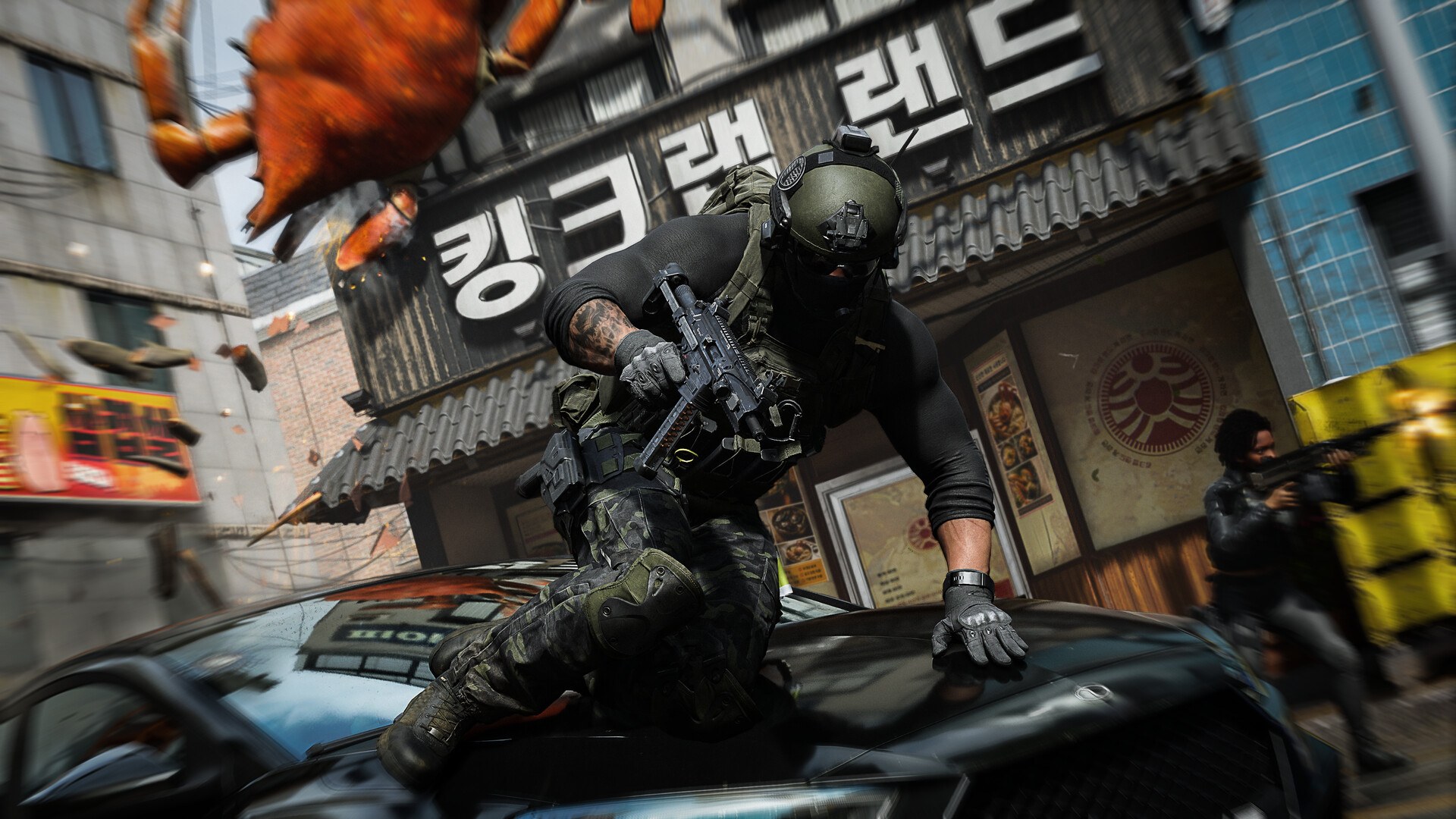
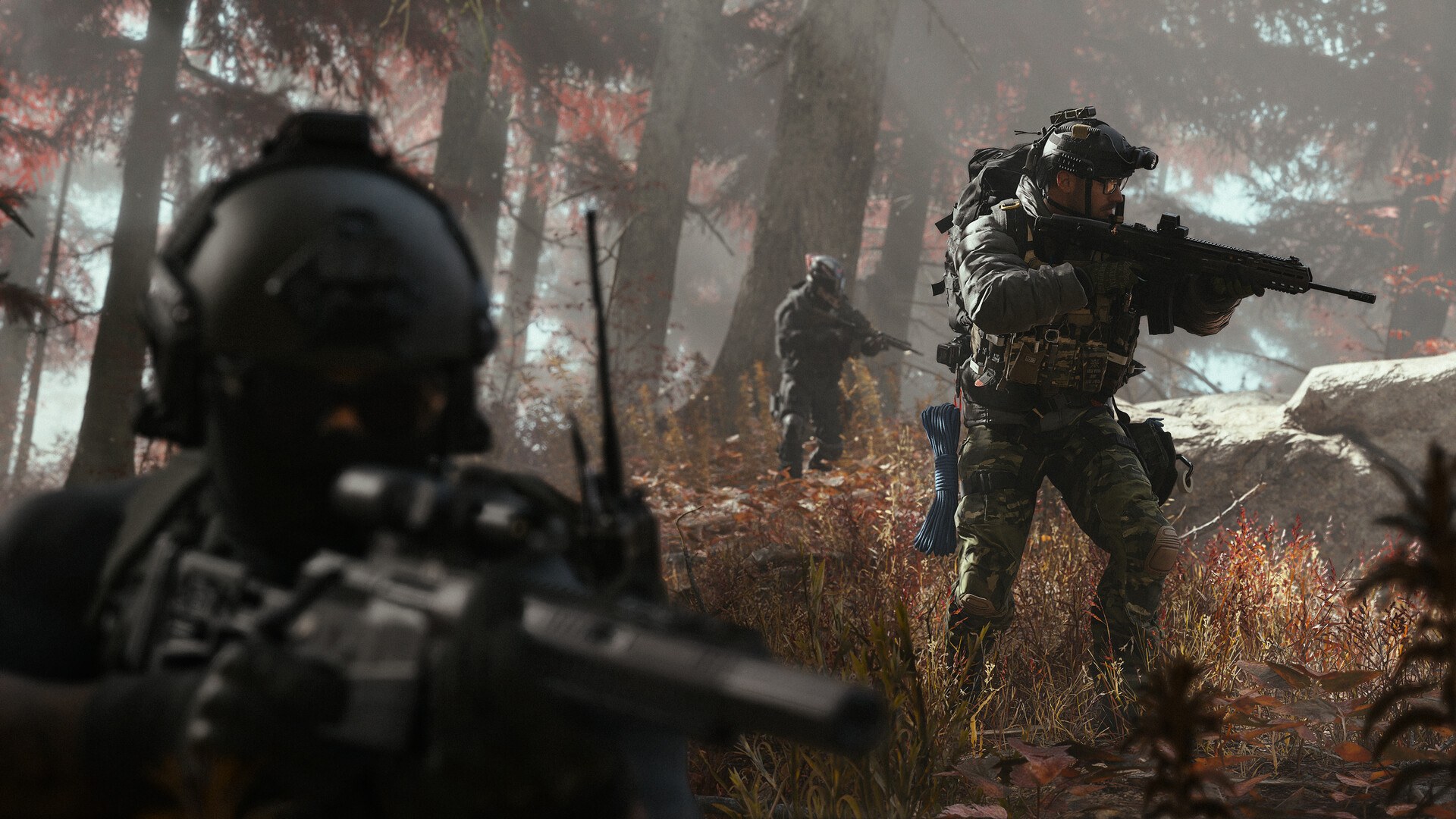
A look at recent years shows the problem. Modern Warfare II came in 2022, Modern Warfare III in 2023, Black Ops 6 in 2024 and Black Ops 7 on November 14, 2025. On October 23, 2026, Modern Warfare 4 followed for PS5, Xbox Series X|S, PC and, for the first time, Nintendo Switch 2. If you buy in at full price every year, you keep buying a game that's very similar to its predecessor.
Activision has recognized the problem itself
After Black Ops 7's weak launch, the Call of Duty team wrote in an official message to the community in December 2025 that the series hadn't fully met some fans' expectations. At the same time, Activision announced it would no longer release two Modern Warfare or Black Ops games back to back. That's the right step, but only half of one: the annual release remains.
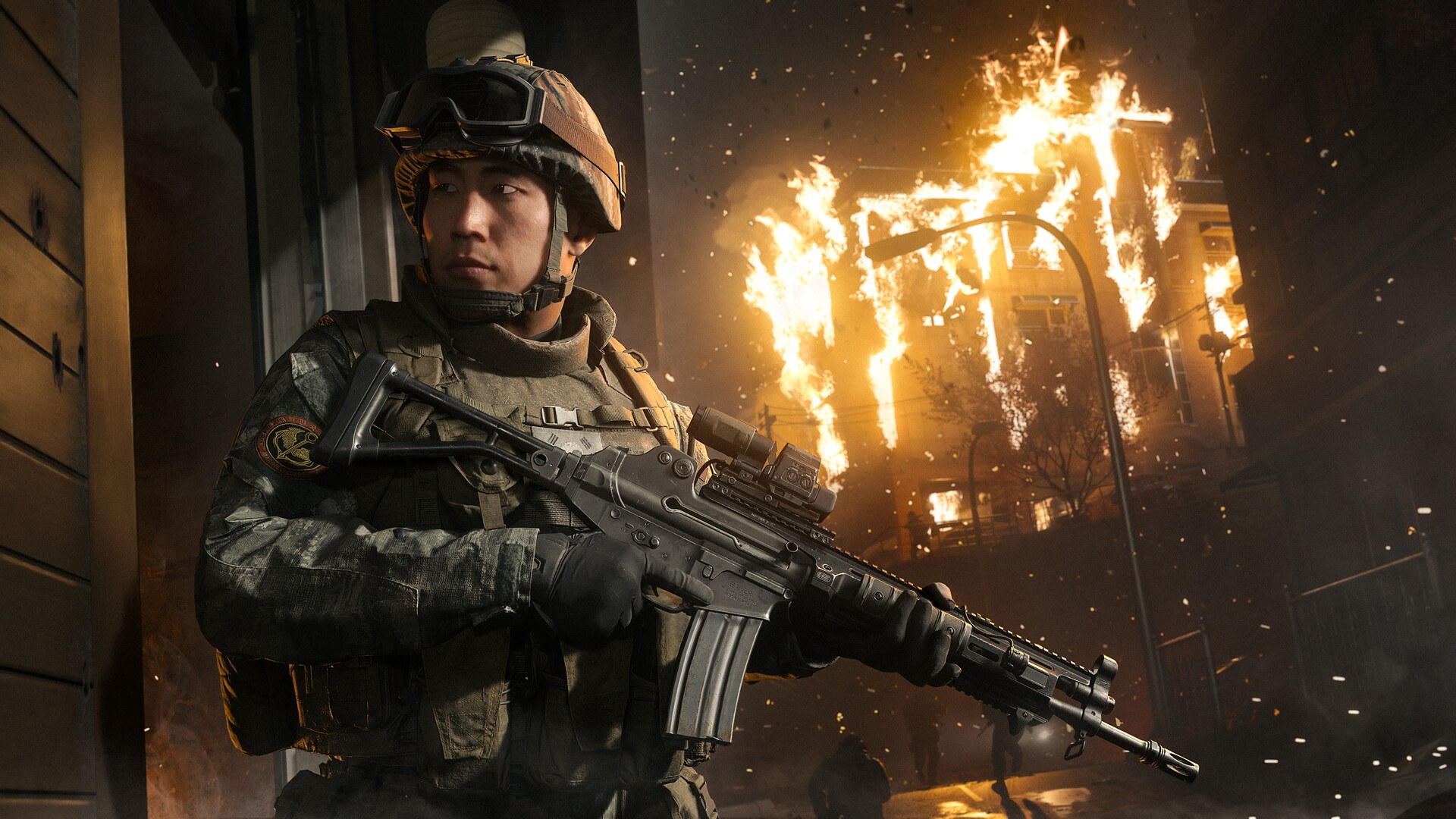
Warzone vs. the main game
Since March 2020, there's been a free battle royale spin-off in Warzone. According to Activision, more than 100 million players had tried it after just over a year. For many, Warzone has long since become the real Call of Duty, and the game is updated with weapons, Operators and seasonal content with every new mainline entry.
This is exactly where a contradiction arises. The main game costs money and has to sell itself anew every year. Warzone is free and is meant to keep players around as long as possible. Both games compete for the same time and the same players. As a result, each new entry feels less like a game of its own and more like a big update for an ecosystem that keeps running anyway.
Store, Battle Pass and bundles
Then there's monetization. In Black Ops 7, according to Activision Support, the Battle Pass costs 1,100 COD Points and the Battle Pass Bundle 2,400 COD Points. Above that sits BlackCell with exclusive Operator skins and blueprints, plus new store bundles according to the official Season 01 overview. That's not objectionable in itself; free-to-play games are funded the same way. But in a game you're expected to buy again every year, it feels different.
The way I see it: when a game is replaced by its successor after twelve months, whatever you bought in it quickly fades into the background, too. A longer lifespan per entry would make those purchases much fairer.
Innovation or just the brand name?
In the December 2025 message, Activision explicitly promises innovation that should be “meaningful, not just incremental.” That's a remarkable admission. Because that has been exactly the biggest criticism in recent years: new maps, new weapons, a new movement system, but hardly any bold ideas.
For me, the series' best moments came when the studios took their time, such as with Call of Duty 4: Modern Warfare from 2007 or the first Call of Duty: Black Ops from 2010. Leaps like these rarely happen on a schedule where the next entry is locked in before the current one even launches.
Why Call of Duty needs a break
I don't think Call of Duty has to disappear. But I do think the series deserves a real break: two years of development per entry instead of one, a main game supported with content for longer, and Warzone as a stable foundation in between. The seasons show that Activision can support a game for a long time. So why not the main game, too?
For players, that would be a win: fewer full-price purchases, content with longer-lasting value and more time for real innovation. And for the brand, it would probably be the best chance to surprise again instead of just delivering. Call of Duty finally needs a break, not because it's bad, but because it's too good to just repeat itself every year.
Read how the battle for your free time affects other online games in our opinion piece Live service games have a problem: nobody can play them all.
This is an opinion piece and reflects the author's personal view.