Ashes of the Singularity II launched on PC via Steam on November 10, 2026. In this massive real-time strategy game from Oxide Games and publisher Stardock Entertainment, you command vast armies of the United Earth Forces, the Post-Human Coalition or the AI Substrate in a war for Earth and the solar system. Here is how the sequel looks at launch.
In this review
Verdict
Ashes of the Singularity II is aiming for what the first game already made its calling card: real-time strategy on a scale where front lines matter more than individual tanks. Oxide Games is using an evolved Nitrous engine, three clearly different factions, and a design that deliberately cuts down on micromanagement – including armies that can replenish themselves and rally replacements to the fight.
At launch you get a campaign told from the point of view of the new United Earth Forces, offline skirmish against AI, co-op against bots, and competitive multiplayer for up to eight players. That is a solid package for fans of huge RTS battles. With no user reviews of the full game yet and without our own run through the retail campaign, how well the tech holds up on vast, sometimes procedurally generated maps is still an open question.
A note on the score: Our launch rating is an editorial assessment based on official information from Oxide Games and Stardock, publicly documented design (the official FAQ, faction showcases, trailers and Next Fest material) and Steam store data. There were no Steam user reviews of the full game when this article was published. If the retail version turns out better or worse in practice, we will update the score.
What works
✅ Three asymmetric factions with distinct doctrines
✅ A focus on front-line strategy instead of constant busywork
✅ Campaign, offline skirmish, co-op and multiplayer at launch
✅ You do not need to have played the first game
What holds it back
❌ No Steam reviews of the full game at launch
❌ Voice acting in English only
❌ Currently unsupported on Steam Deck
❌ No map editor or benchmark at launch
How we rate
- 90–100Legendary
- 80–89Very good
- 7770–79Good
- 60–69Okay
- 50–59Mediocre
- < 50Weak
At PlayInsider we rate every game individually and always against the expectations of its genre. We judge the story of an action game or adventure by its narrative quality. In a simulation or management game, on the other hand, what counts is what the genre typically offers. This keeps our ratings fair and comparable within a genre.
Our rating in detail
Graphics: 78
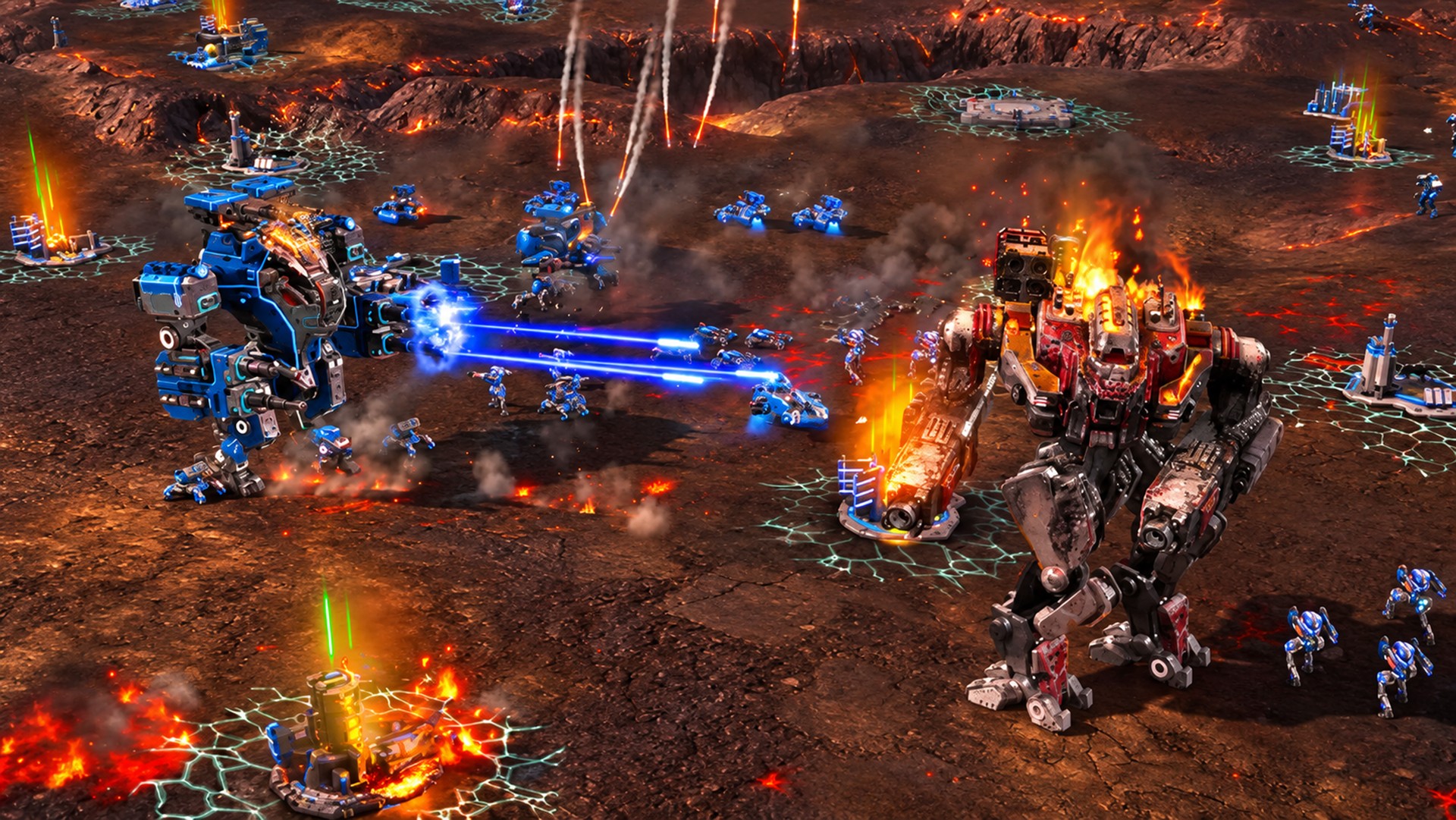
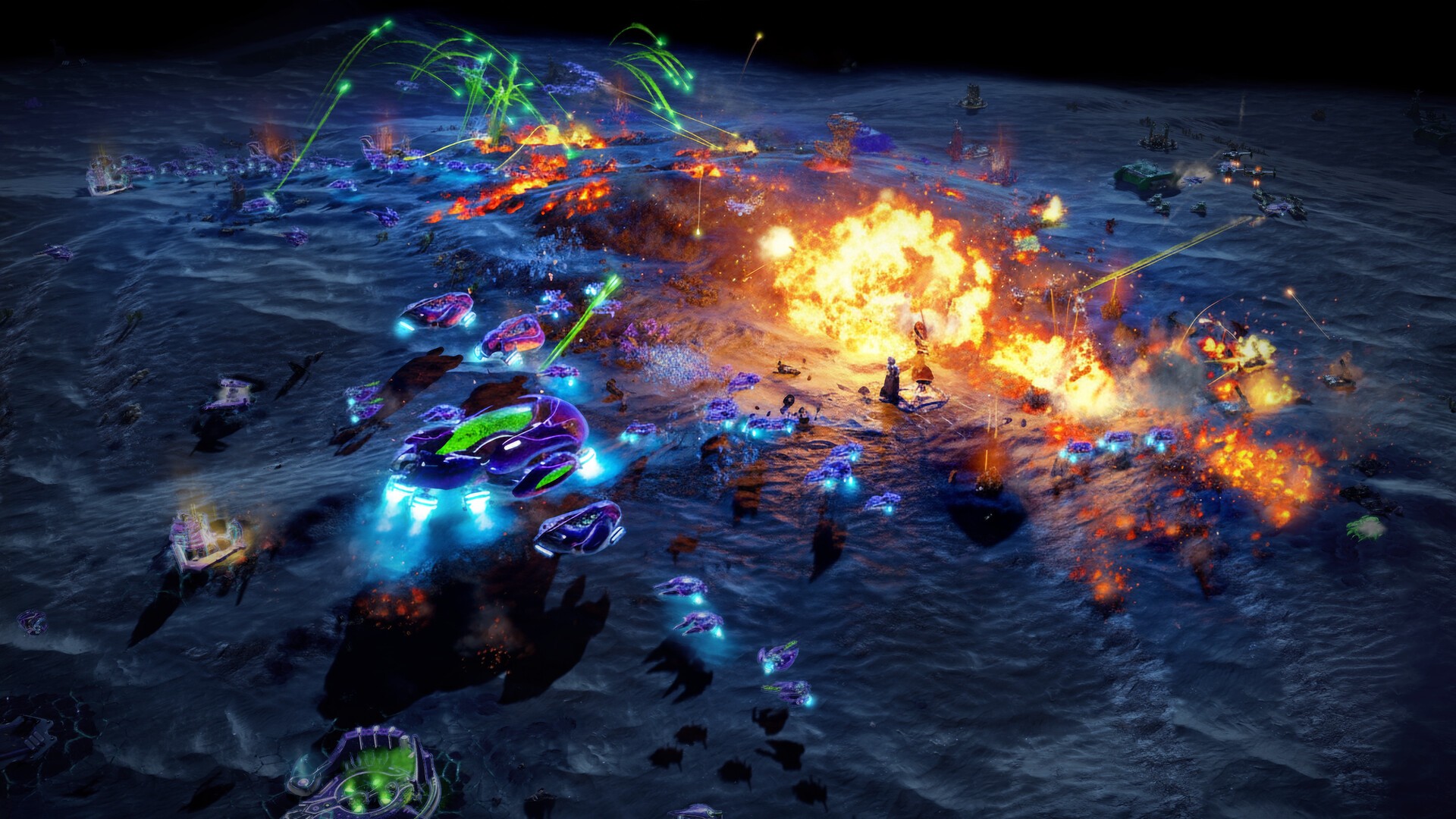
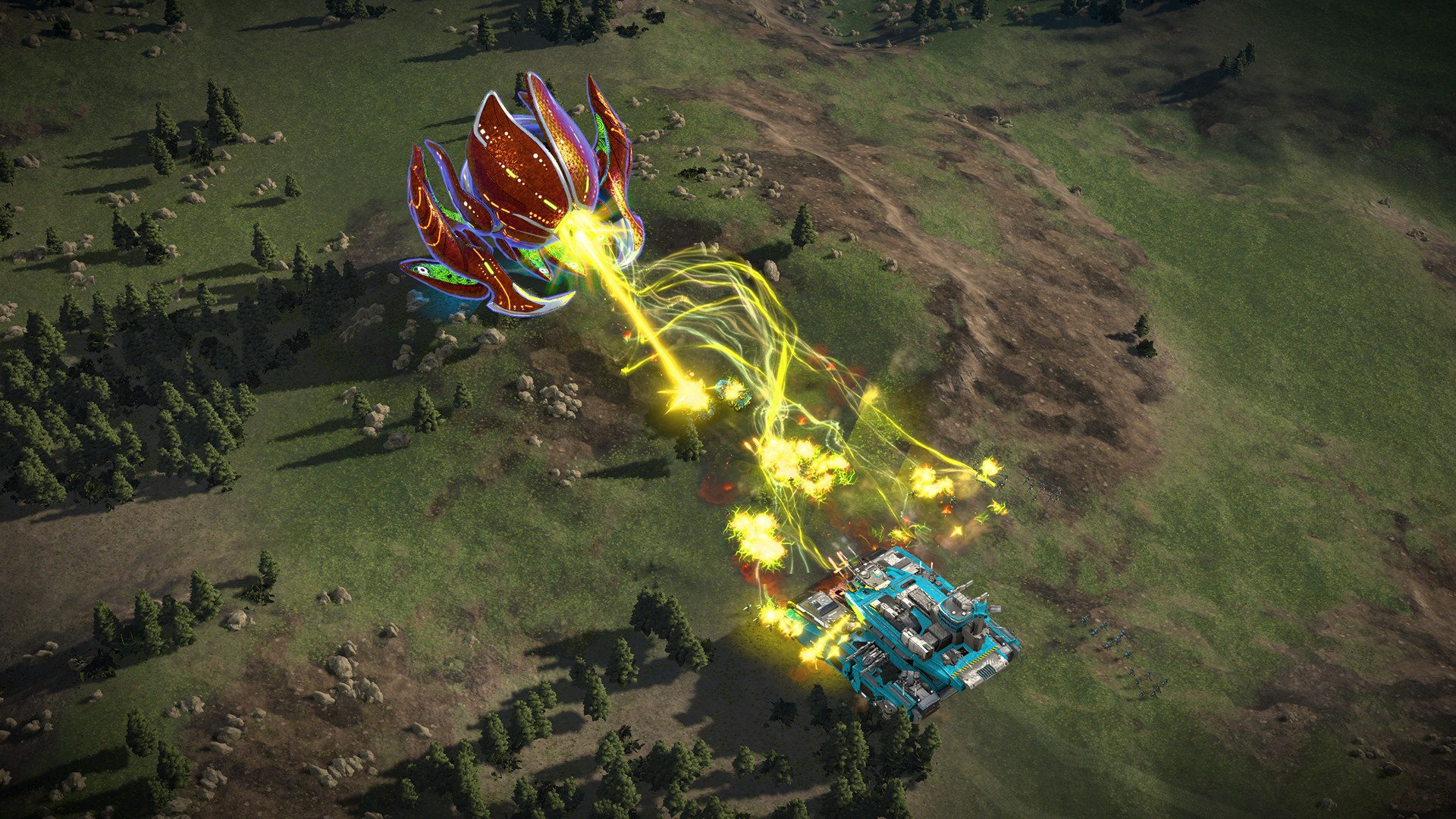
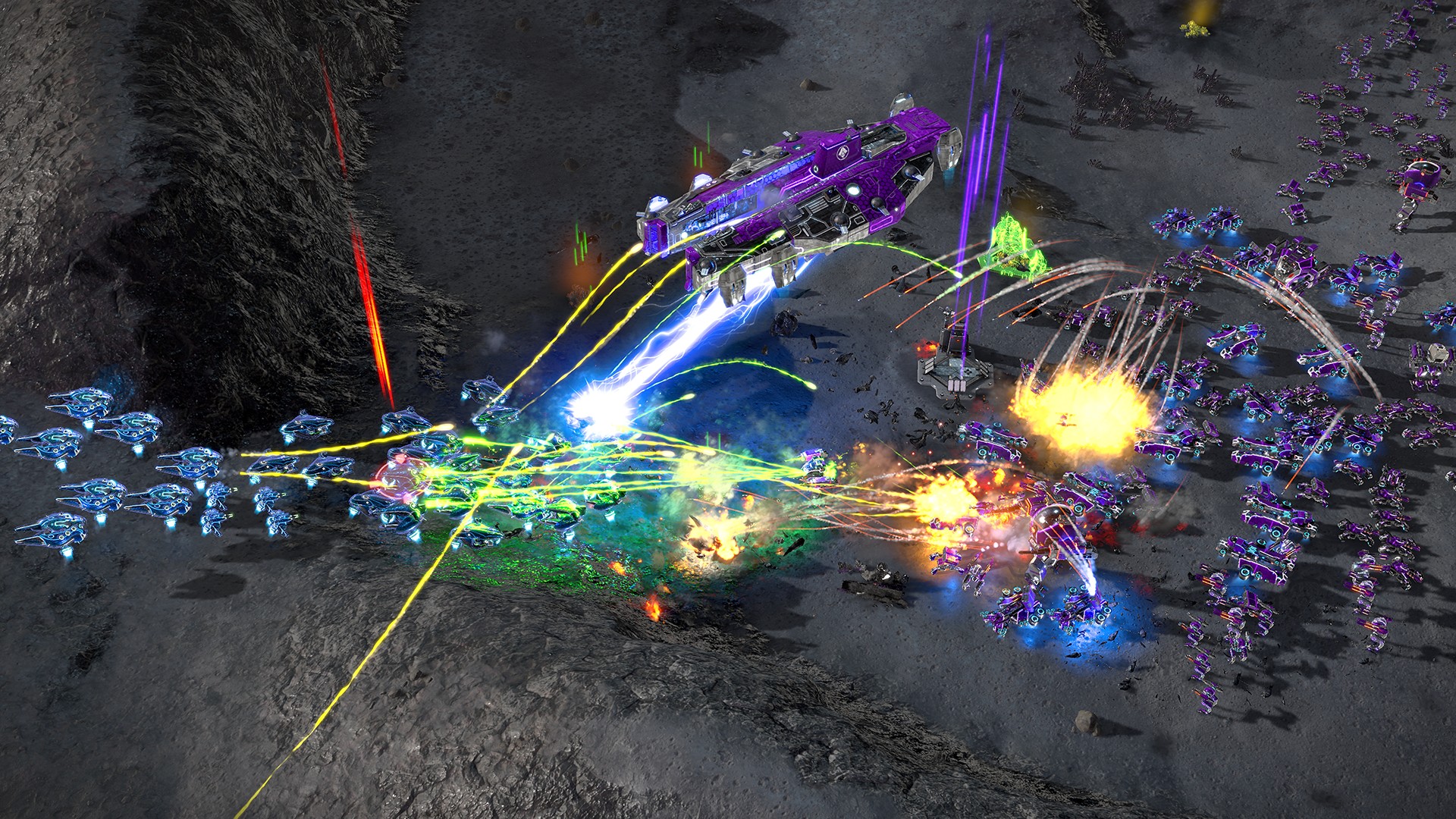
The Nitrous engine, now carrying tech from Ara: History Untold, is built for this kind of scale: huge unit counts, large maps, and the pressure of a front line rather than cinematic close-ups. Official screenshots and trailers show dense ground battles, vehicles, United Earth infantry and the familiar sci-fi terrain of the Ashes universe. It looks functional and impressive in the mass of a fight, not like a photorealistic showcase. Whether the retail build stays this clear in the biggest battles is something we cannot confirm yet without a long hands-on session or user reviews.
Gameplay: 80
This is where the design is strongest. Oxide talks about the push and pull across the front, moving production buildings to key ground, and timing strikes – while cutting the busywork, including automatic army replenishment. The three factions are deliberately uneven: the new United Earth Forces lean on ground forces and numbers, the Post-Human Coalition fields costlier, harder-hitting units, and the Substrate relies on speed, regenerating shields and drone swarms. That is classic asymmetric RTS, and on paper it is exactly what fans want from a sequel.
Story: 68
The campaign tells the war from the United Earth Forces' point of view and takes you to Earth and other sites across the solar system. According to the official FAQ you do not need to have played the first game; factions and figures such as the PHC, Haalee and the Substrate are introduced as you go. For an RTS that is a solid, genre-typical frame, not a narrative you would seek out on its own. How well the campaign holds up over its full length is still an open question without a complete playthrough.
Depth: 82
Three factions, orbital abilities, procedural maps alongside hand-built competitive layouts, skirmish, co-op and versus multiplayer: the offering is broad. Oxide also promises more room for modding than in the first game, though in-game mod support is planned after launch rather than at release. There is no official campaign length. The real depth is on the battlefield and in the faction doctrines, not in a sprawling single-player saga.
Technical: 74
Steam lists Windows 10 or 11 (64-bit), an AMD Ryzen 5 2400G or Intel Core i5-8500, 8 GB of RAM and an AMD RX 580 8 GB or NVIDIA GTX 1660 6 GB as the minimum, plus 50 GB of storage, with an SSD recommended. Recommended specs are a Ryzen 5 5600X or Core i5-11600K, 16 GB of RAM and an AMD 6750 XT or NVIDIA RTX 3070. DirectX 12 is required. The simulation is deterministic, which should prevent the unit "teleporting" issues from the first game. The title is currently unsupported on Steam Deck, and there is no launch benchmark like the one Ashes I was known for. Without reviews of the full game, performance in the largest battles remains a caveat.
Sound: 72
There is English voice acting; other languages, including German, get the interface and subtitles only. Trailers and faction showcases lean on a martial sci-fi soundscape. How well the music, unit chatter and mix hold up across long battles is hard to judge without time in the retail build, so the score stays in the good-but-not-standout range.
What is Ashes of the Singularity II?
After the technological singularity, several forms of intelligence are fighting over what remains of humanity and its worlds. You command the United Earth Forces, the mechanical Substrate or the Post-Human Coalition. The war is not confined to distant planets – Earth itself is on the table. You do not need the first game; the campaign explains the setting as you play.
Oxide Games is the developer, Stardock Entertainment the publisher. Under the hood is the Nitrous engine, which already made the original a DirectX 12 pioneer. You can find more in our profiles of Oxide Games and Stardock Entertainment.
Three factions and the large-scale battlefield
The United Earth Forces are the new faction and the way into the campaign. They bring more ground troops and infantry than the first game, which leaned harder on hovercraft. The Post-Human Coalition remains the expensive, heavy-hitting force. The Substrate, born from the AI Haalee, relies on speed, shields and drone swarms. Oxide is explicit that each faction's fodder units are not mirrors of each other – and that is intentional.
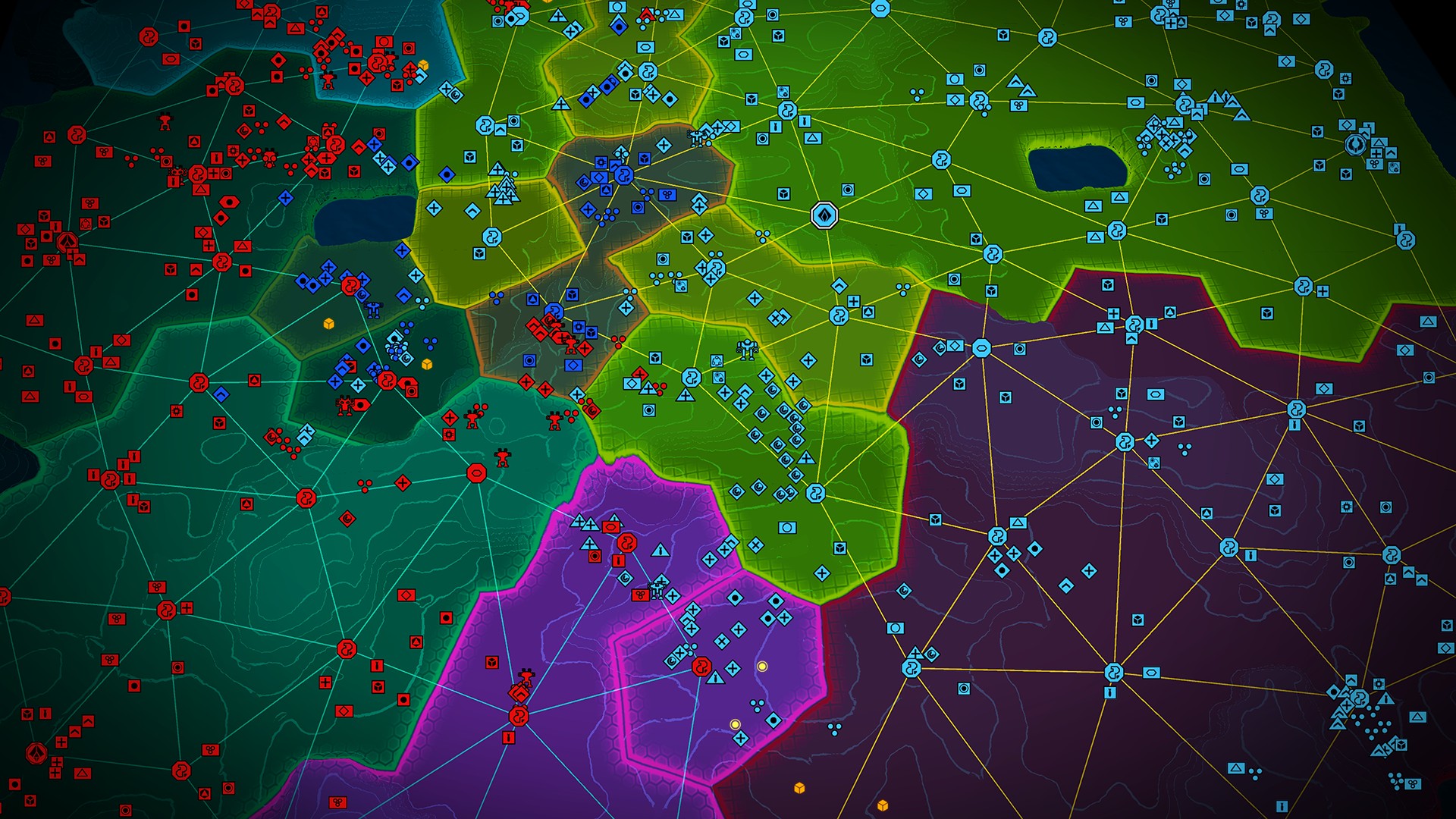
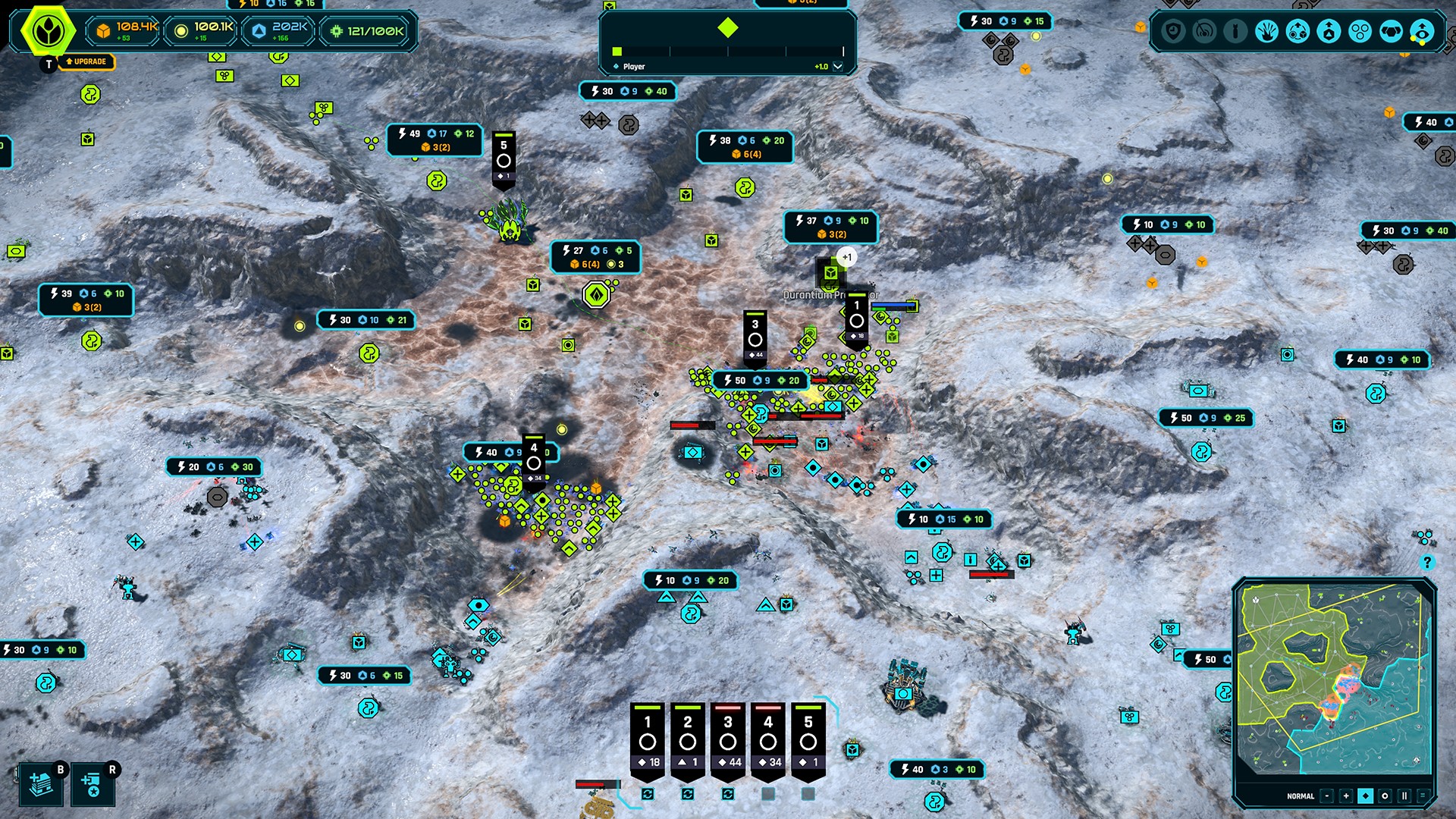
The game wants those huge maps to stay readable: less constant building and rallying, more attention on the front. Automatic replenishment and rallying new units to an army are part of that idea. Pathfinding is meant to improve on the first game with several tiers (army, unit, element). There will be no map editor at launch; procedural maps are meant to keep skirmish and multiplayer fresh instead.
Campaign, skirmish and multiplayer
The first campaign puts you in command of the United Earth Forces and introduces systems as you go; there is no separate training mode. Campaign and skirmish against AI bots also work fully offline, including large battles with no human opponents. Online, you can team up against bots or mix human and AI players. The cap at launch is eight players, and multiplayer is peer-to-peer.
Stardock has not published a campaign length. Beyond the story, skirmish and multiplayer are where most of the long-term play will sit.
System requirements and languages
The full minimum and recommended specs are in the table below this text. In short, a mid-range card from around 2018/2019 should get you in, newer hardware is recommended, and you will need 50 GB of space and, ideally, an SSD. An optional Stardock account can be linked to Steam, but it is not required.
Interface and subtitles include English, German, French, Spanish (Spain), Italian, Polish, Russian, Japanese, Korean, Simplified Chinese, Danish, Turkish and Portuguese (Portugal). Voice acting is English only. We could not find an official USK or PEGI rating. The game is currently listed as unsupported on Steam Deck.
Trailer
Release and price
Ashes of the Singularity II launched on November 10, 2026 for PC on Steam. More information is on the official website. The regular German Steam price is €38.99, with a 20 percent launch discount (€31.19, listed through November 17). We did not find a Standard Edition page on Instant Gaming at the time of writing.
Scores at a glance
| Source | Score | As of |
|---|---|---|
| Steam user reviews | No reviews of the full game yet | November 10, 2026 |
| PlayInsider | 77% | November 10, 2026 |
System requirements (PC)
| Minimum | Recommended | |
|---|---|---|
| Operating system | Windows 10 / 11 64-bit | Windows 10 / 11 64-bit |
| Processor | AMD Ryzen 5 2400G / Intel i5-8500 | AMD Ryzen 5 5600X / Intel Core i5-11600K or better |
| graphics card | AMD RX 580 8GB or better / NVIDIA GTX 1660 (6GB) or better | AMD 6750 XT 8GB / NVIDIA RTX 3070 8GB or better |
| Memory | 8 GB RAM | 16 GB RAM |
| storage | 50 GB available space (SSD recommended) | 50 GB available space (SSD recommended) |