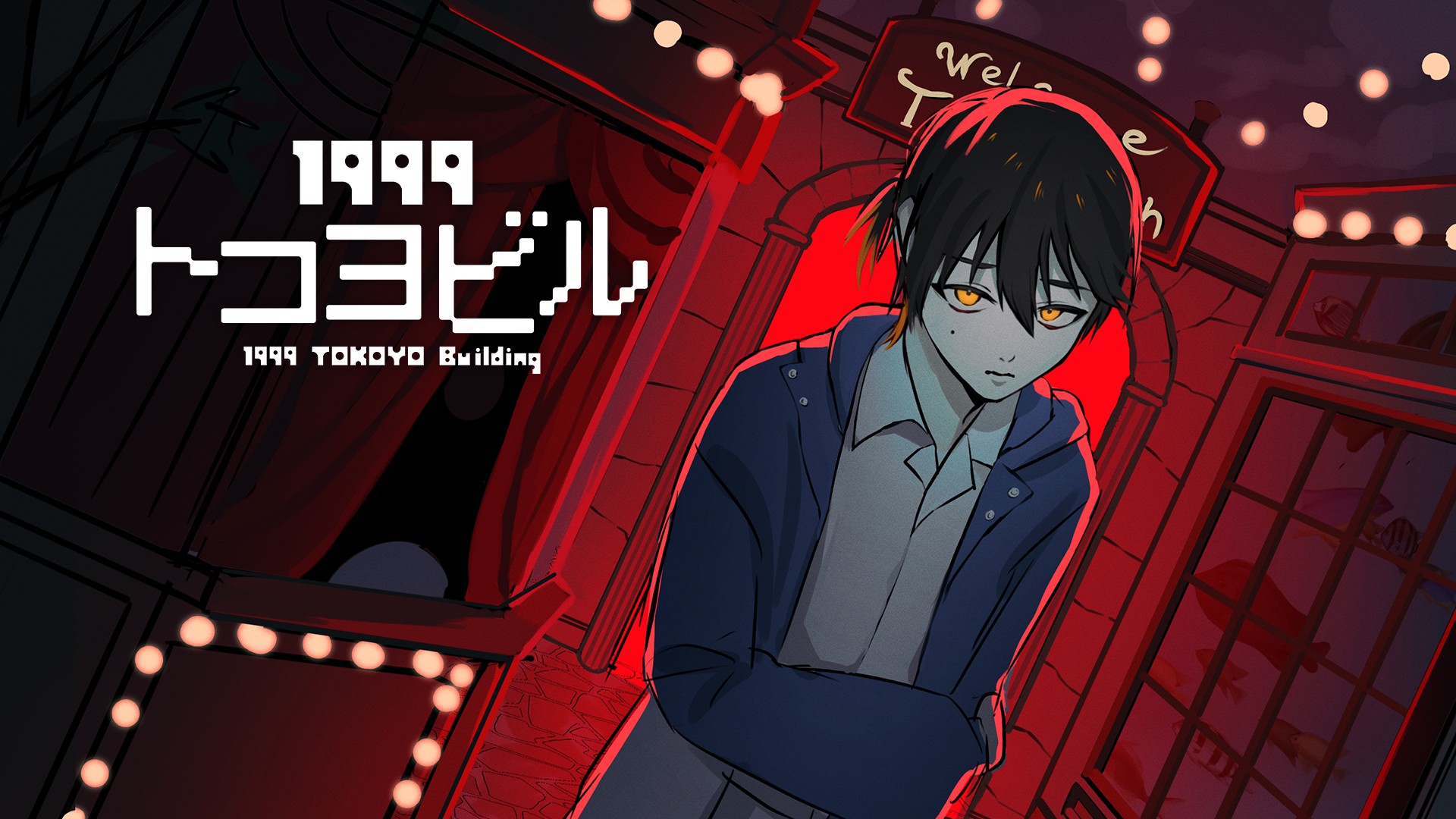
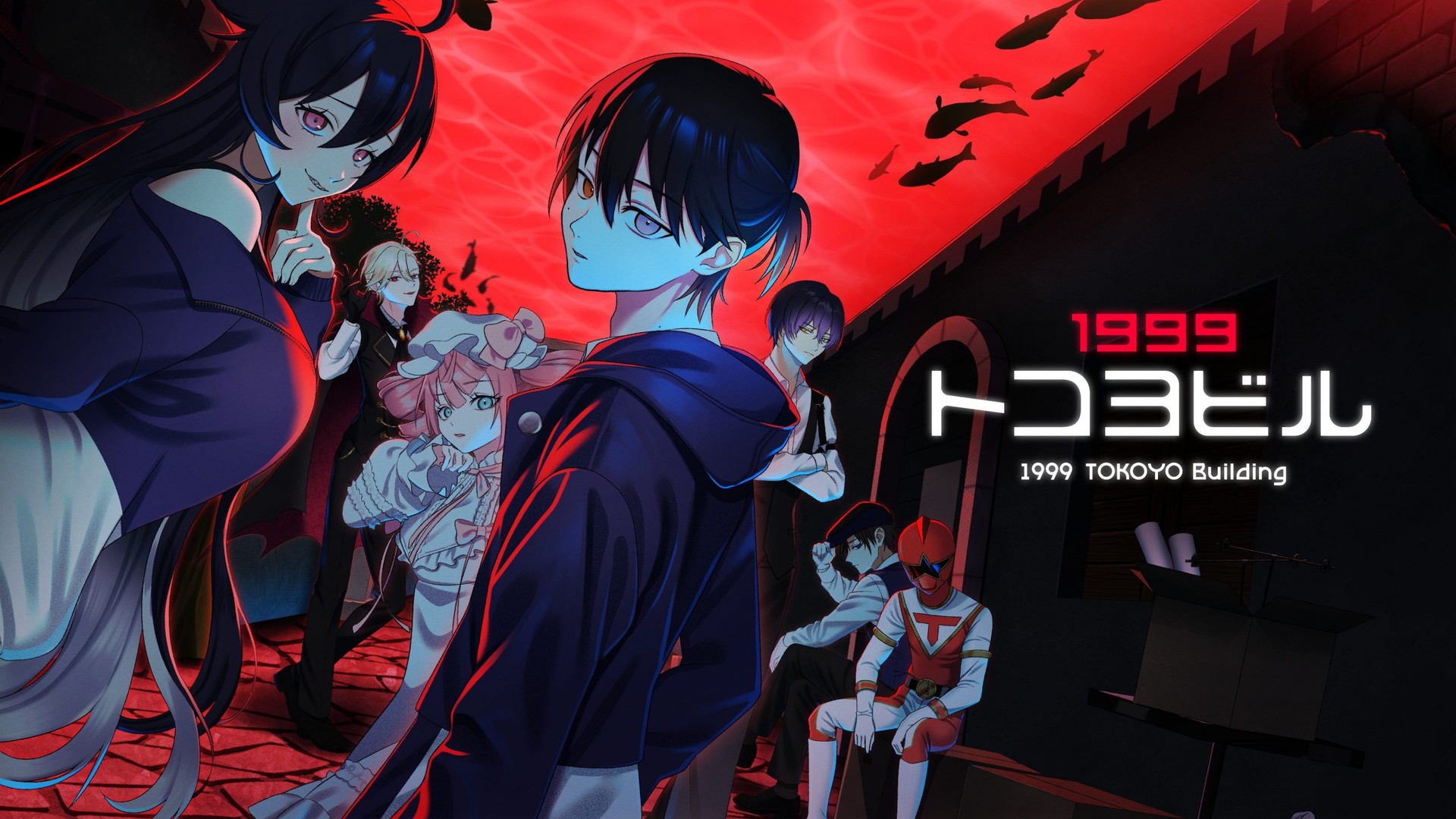
1999TOKOYO Building launched on PC via Steam on November 10, 2026. In this horror adventure from debut studio 常夜不動産 and publisher Kodansha, you play Akira, an amnesiac boy trapped in a decaying indoor amusement park, digging up his coworkers' secrets in the hope of getting out. Here is how the game looks at launch.
In this review
Verdict
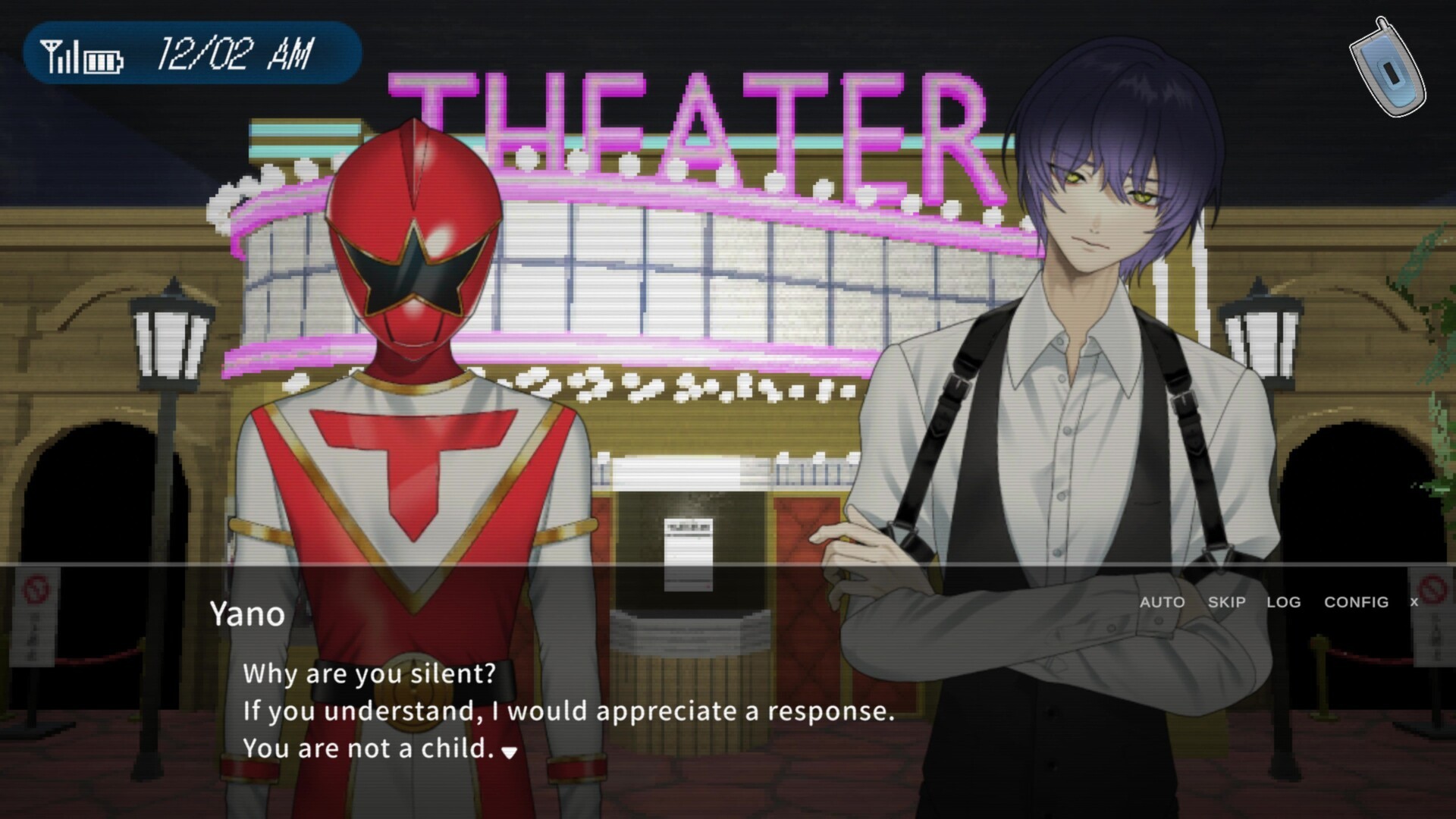
1999TOKOYO Building mixes two very different tones: low-poly 360-degree exploration, where you break into rooms and hunt for secrets, and Live2D conversations where the wrong line can send you straight to a dead end. The setting – December 1999, a nearly empty indoor park behind a huge water tank, rumored to make people vanish – carries the story, and the '90s look, right down to the in-game commercials, is unusually precise.
This debut from a three-person team working as 常夜不動産 (TOKOYO Estate) feels distinctive in the demo, trailers and official material. There is no German text, and at launch the full game did not yet have enough Steam reviews for an official user score. If you are comfortable with a Japanese- or English-language horror adventure, you get a clear idea – not a simulation or management game.
A note on the score: Our launch rating is an editorial assessment based on official information from Kodansha and 常夜不動産, the playable first chapter in the Steam demo, launch details and published materials. On November 10, 2026 the full game had only four Steam user reviews, too few for a Steam score. If the retail version turns out differently, we will update the rating.
What works
✅ A distinctive setting: a decaying indoor park in 1999
✅ A sharp mix of point-and-click exploration and Live2D conversations
✅ Strong '90s atmosphere, including the in-game commercials
✅ A full first chapter in the demo and a planned runtime of about 10 hours
What holds it back
❌ No German text
❌ No voice acting listed on Steam
❌ No Steam score yet at launch
❌ Harsh conversation dead ends may frustrate some players
How we rate
- 90–100Legendary
- 80–89Very good
- 7670–79Good
- 60–69Okay
- 50–59Mediocre
- < 50Weak
At PlayInsider we rate every game individually and always against the expectations of its genre. We judge the story of an action game or adventure by its narrative quality. In a simulation or management game, on the other hand, what counts is what the genre typically offers. This keeps our ratings fair and comparable within a genre.
Our rating in detail
Graphics: 78
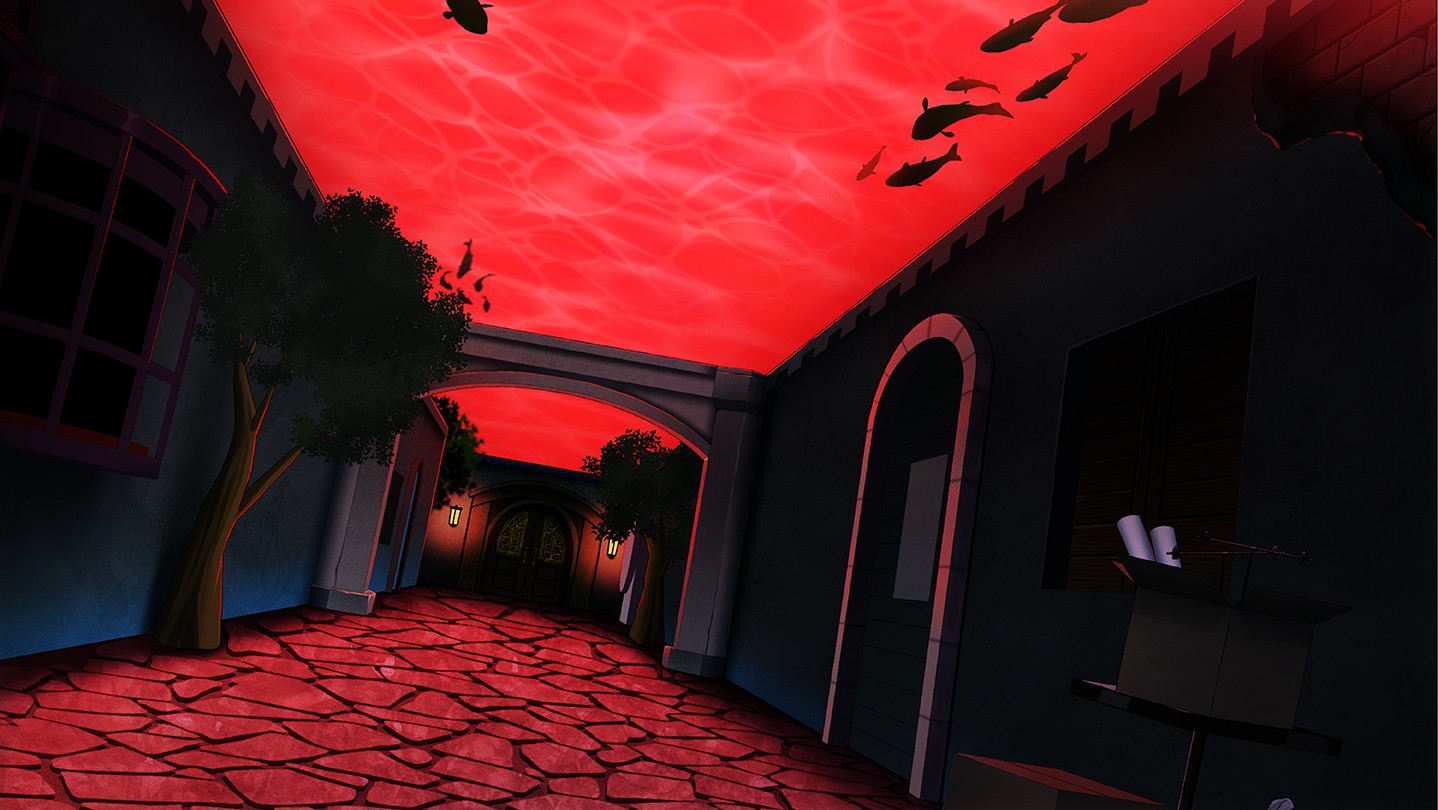
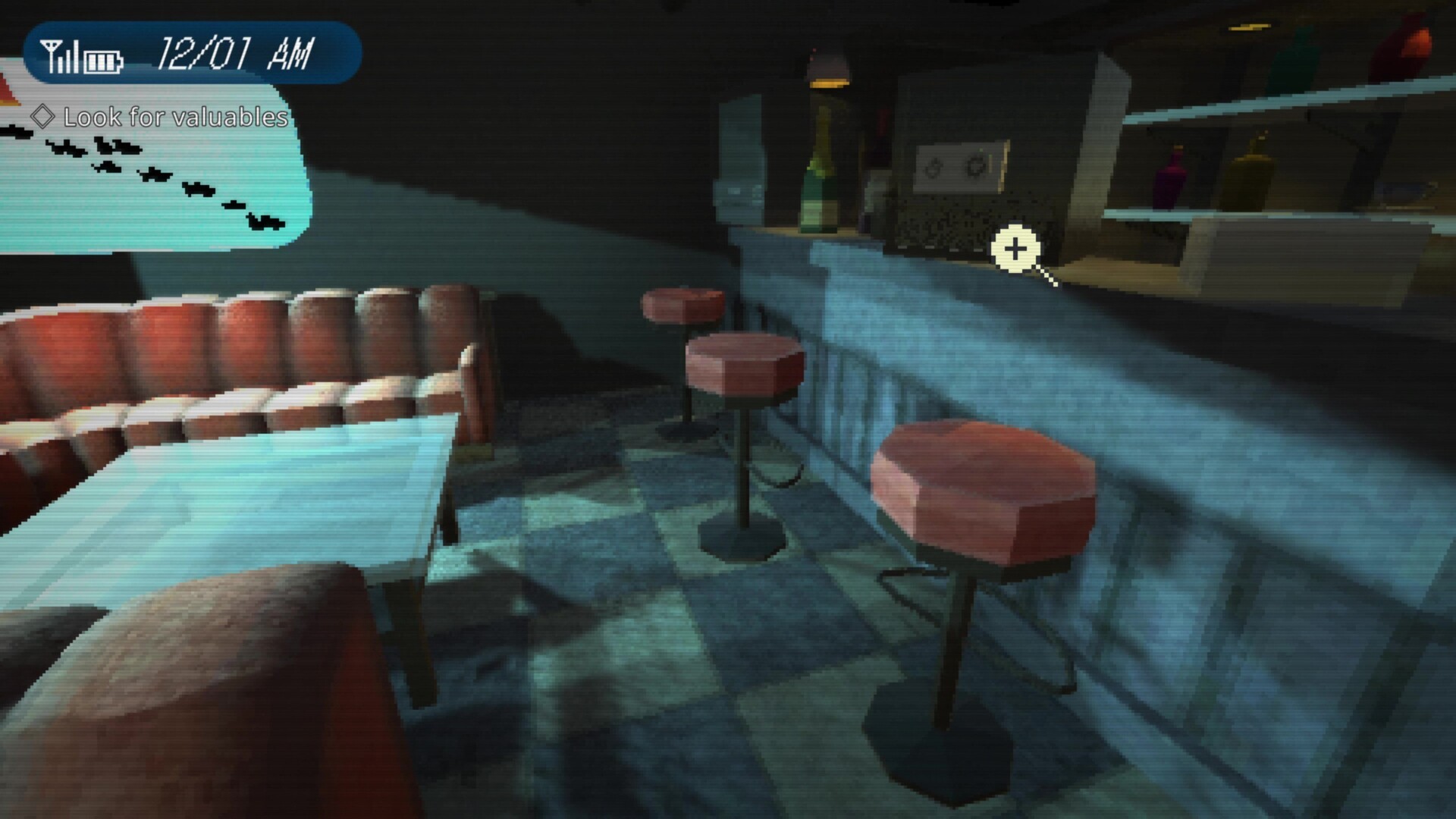
The game runs on two looks that are not meant to match: low-poly 360-degree rooms for exploration and expressive Live2D characters in conversation. The ruined park, fish silhouettes against a red ceiling, neon and '90s advertising add up to a slightly off-kilter nostalgia. This is not photorealistic horror; it is a very deliberate style, and in the demo and official material it feels consistent and easy to remember.
Gameplay: 75
You switch between point-and-click exploration – including breaking into your coworkers' rooms – and dialogue scenes where a single line can sour a relationship or end in a dead end. That creates tension, but it can also feel harsh if one remark ends the run. The first chapter is fully playable in the demo and shows that loop clearly. How varied the later chapters stay is something we can only judge cautiously without a full retail playthrough.
Story: 79
Akira has lost his memory, is caught breaking in by the owner Yano, and is forced to live and work in the Tokoyo Building. His coworkers are dangerous, the park is rumored to make people disappear, and their secrets are the way out. That is a strong hook for a horror adventure, and the cast is clearly differentiated in the demo and official material. Story is the core of the game; how the payoff holds across four chapters remains a caveat without a full playthrough.
Depth: 72
At Tokyo Game Show 2026 the team cited a planned playtime of about ten hours. The demo covers the entire first chapter (about two hours, according to Gematsu). Branching conversations, dead ends and hunting for secrets give the game more texture than a straight visual novel path, without turning a short adventure into an open system. For the genre, that is a compact, reasonably filled runtime.
Technical: 73
The bar is low: Windows 10 (64-bit), an Intel Core i3, 4 GB of RAM, Intel HD Graphics 4000 and 3 GB of storage at minimum. Recommended are Windows 11, a Core i7, 8 GB of RAM, a GeForce GTX 1060 and 5 GB. The full list is in the table below this text. We have not seen a Steam Deck rating. At retail launch there were only four user reviews, too few for a Steam score, so there is no broad player verdict on stability yet.
Sound: 76
The score is by Yasuhiro Nakashima, and the in-game commercials are by Katsushika Shusshin. Both are part of the '90s backdrop and come through clearly in the trailers and the demo. Steam's language table does not tick audio for any language; text and subtitles are listed for Japanese, English and Simplified Chinese. The music and commercial pastiche do a lot of the atmospheric work; there is no listed voice track.
What is 1999TOKOYO Building?
The Tokoyo Building is an indoor amusement park that is still officially open but barely sees guests. A massive water tank surrounds the place; inside are a food court, a theater, attractions and the staff living quarters. Once you wander in, leaving is not simple. Akira, a boy with no memory, is caught breaking in and made to live and work there.
The game is the debut of the three-person team 常夜不動産 (TOKOYO Estate): scenario by Nagase Mitsuki, art and Live2D by Ogino Shingetsu, design and engineering by Minato Aoi. Kodansha, through Kodansha Game Lab, is the publisher. More in our profiles of 常夜不動産 and Kodansha.
One clarification: despite an internal note that first described the game as a simulation, 1999TOKOYO Building is officially a horror adventure and visual novel – not a building or management sim.
Exploration and dangerous conversations
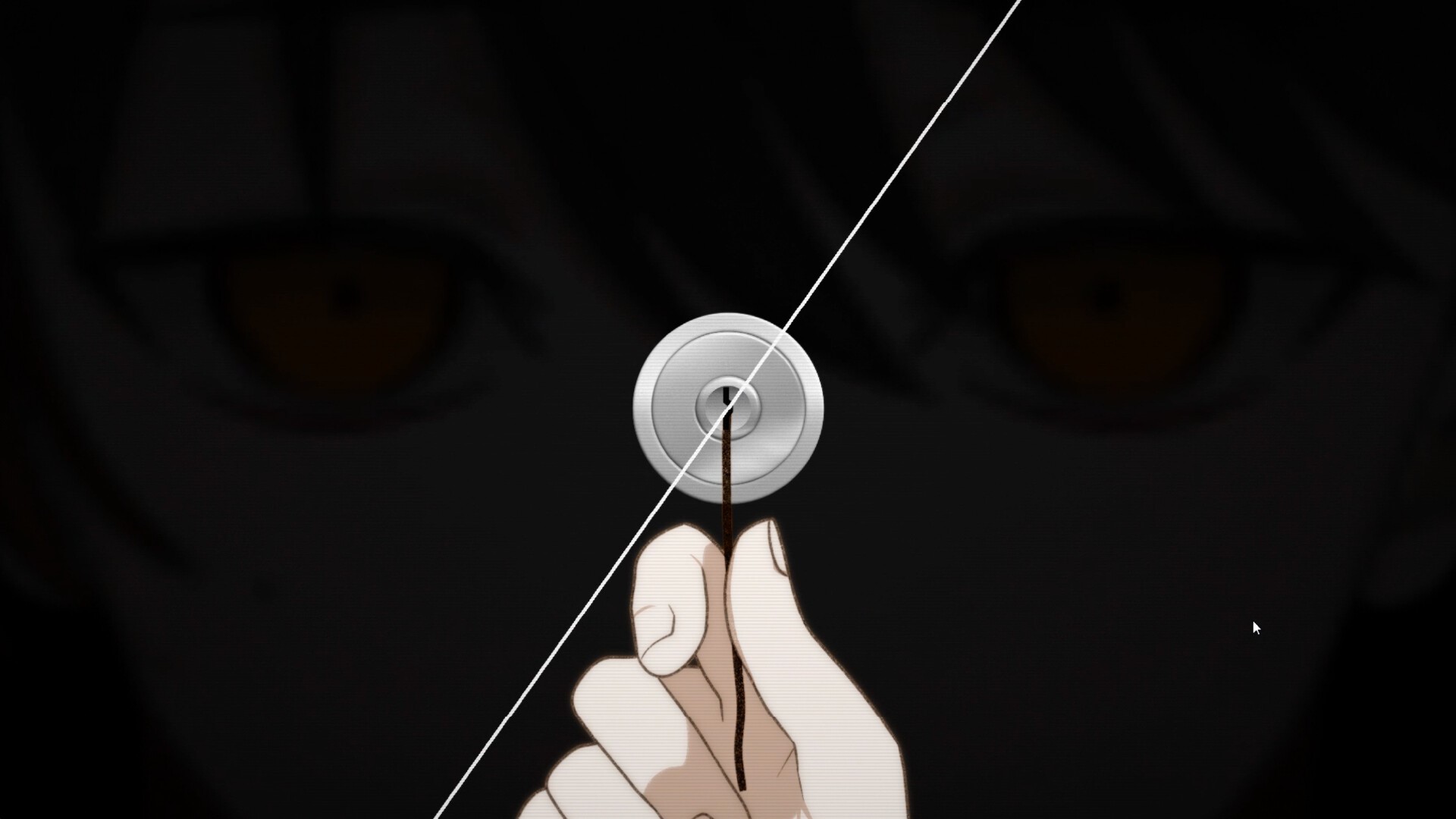
In the exploration sections you inspect low-poly 360-degree rooms with a point-and-click interface, pick locks and go through your coworkers' private space. What you find feeds into the conversations. There, Live2D characters react to your choices; the wrong tone can end the scene. The game itself warns about violence, frightening scenes and depictions of suicide, and suggests hiding sensitive content in the settings if needed.
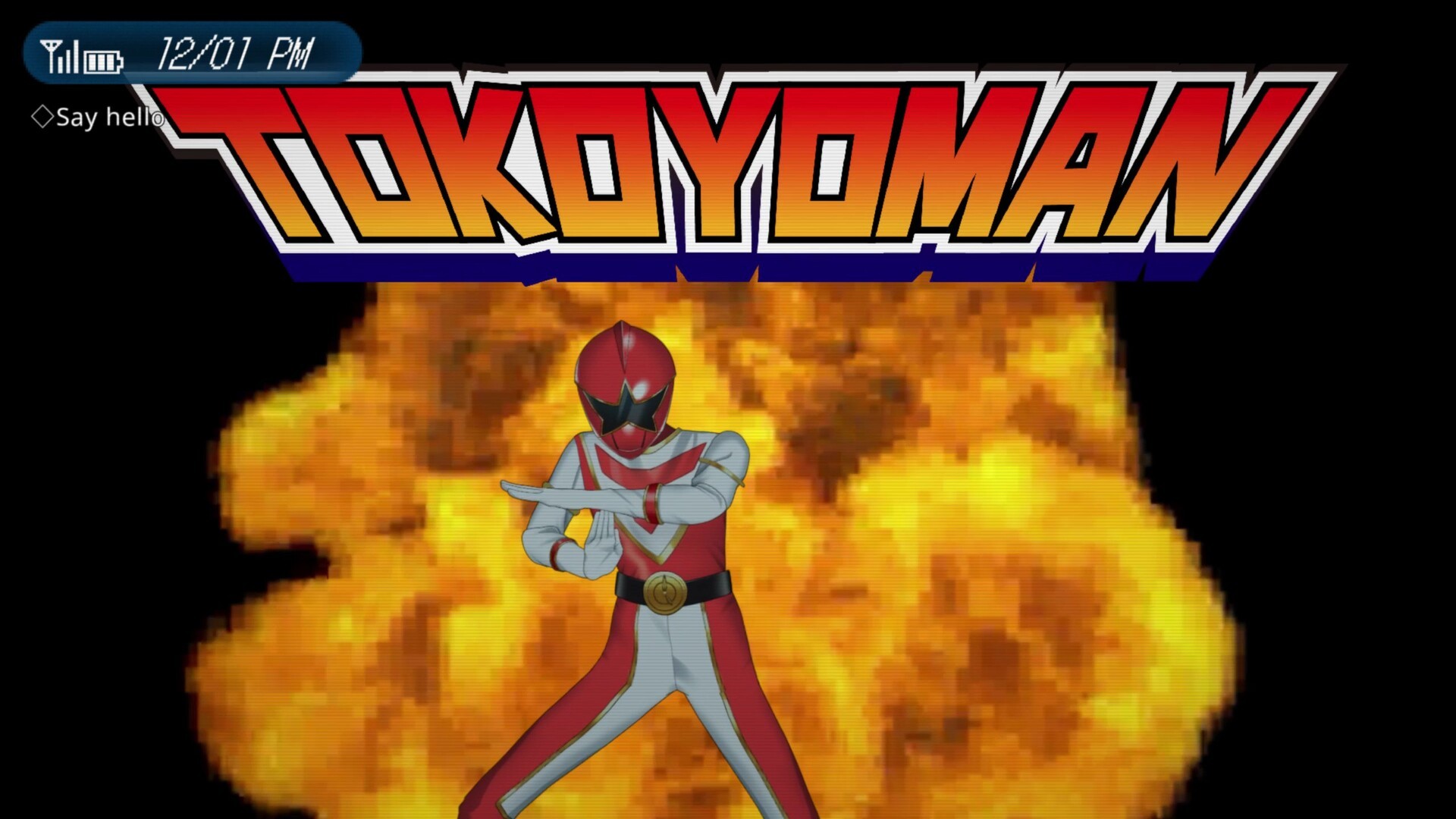
Between chapters you also get in-game commercials in a late-'90s style, treated as part of the world rather than a throwaway gag. That underlines the "neo-nostalgic" brief Kodansha gives the game.
The demo and early reception
The Steam demo includes the entire first chapter and remains available after launch. A shorter browser version is on the Kodansha Creators' Lab site. Before release the publisher cited a very positive response to the demo – that was the demo, not the full game. On launch day the retail version had only four Steam reviews, too few for a score.
System requirements and languages
The full specs are in the table below this text. The game will run on older integrated graphics and only needs a few gigabytes. Text and subtitles are available in Japanese, English and Simplified Chinese, not German. Steam does not list voice acting. We could not find official USK or PEGI ratings.
Trailer
Release and price
1999TOKOYO Building launched on November 10, 2026 (officially at 12:00 noon Japan time; the German Steam store shows November 9 because of the time zone). The regular German Steam price is €9.69, discounted by 20 percent to €7.75 at launch (listed through November 23). We did not find a Standard Edition page on Instant Gaming at the time of writing. A soundtrack DLC launched alongside the game. The product page is on Creators’ Lab.
Scores at a glance
| Source | Score | As of |
|---|---|---|
| Steam user reviews | 4 reviews, no overall score yet | November 10, 2026 |
| PlayInsider | 76% | November 10, 2026 |
System requirements (PC)
| Minimum | Recommended | |
|---|---|---|
| Operating system | Windows 10 64bit | Windows 11 64bit |
| Processor | Intel Core i3 | Intel Core i7 |
| graphics card | Intel HD Graphics 4000 | NVIDIA GeForce GTX 1060 |
| Memory | 4 GB RAM | 8 GB RAM |
| storage | 3 GB available space | 5 GB available space |