Robin Hartmann

Fortis Games has shut down. According to GamesBeat, up to 440 employees could lose their jobs. Backer Las Vegas Sands reportedly ended its funding before a single game made it to a global launch.
Fortis Games shuts down: what happened
The latest major closure in the games industry hits a publisher most players have probably never heard of. As GamesBeat reported in an exclusive, Fortis Games is closing its doors, which could cost as many as 440 jobs at the San Francisco-based company. Several employees confirmed on LinkedIn that they had been laid off and that the company is shutting down.
CEO Steven Chiang all but confirmed the news in a statement to GamesBeat, saying the team was disappointed it couldn't reach the goals it set when it started the journey more than five years ago, and that the focus now is on helping staff find new opportunities. According to Insider Gaming, Fortis Games itself hadn't issued an official announcement about the closure at first.
Las Vegas Sands reportedly pulled its funding
Fortis had an unusual backer: Las Vegas Sands, the casino and hotel company behind the Venetian on the Las Vegas Strip. Per GamesBeat, LVS president Patrick Dumont said in 2022 that interactive entertainment was meant to become a core pillar for diversifying beyond gambling. PocketGamer.biz reports that Las Vegas Sands fully financed Fortis, though the size of the investment was never disclosed.
That support now appears to be gone. Fortis employee Gustavo Coronet wrote on LinkedIn, as quoted by GamesBeat, that Las Vegas Sands had chosen to end funding and part ways, terminating all contracts worldwide. Communications director Scott Butterworth described an abrupt shutdown that put more than 400 people out of work, himself included.
Big ambitions in social gaming and live service
Fortis Games was founded in 2022 by Steven Chiang, Shawn Foust and Calvin Lau. Chiang's résumé includes a long run at EA Sports, a stint at Zynga and a role as executive vice president of worldwide studios at WB Games. The goal was ambitious: according to GamesBeat, Fortis set out to build the next generation of live-service games, with social mechanics designed to create real digital communities and lasting group experiences.
To get there, Fortis acquired several development teams:
- Doppio Games in Portugal
- Oktagon Games in Brazil
- Metagame in Romania
According to PocketGamer.biz, Fortis most recently listed between 200 and 500 employees on LinkedIn. Per its official website, the team was fully remote and international.
No game made it past testing
Fortis Games' core problem: none of its games ever reached a global launch. Mobile game Twilight Towers entered soft launch in September 2025, according to PocketGamer.biz, but never moved beyond it. On November 4, 2026, Fortis itself announced the end of Twilight Towers: the game was pulled from app stores, and its servers go offline on November 16, 2026.
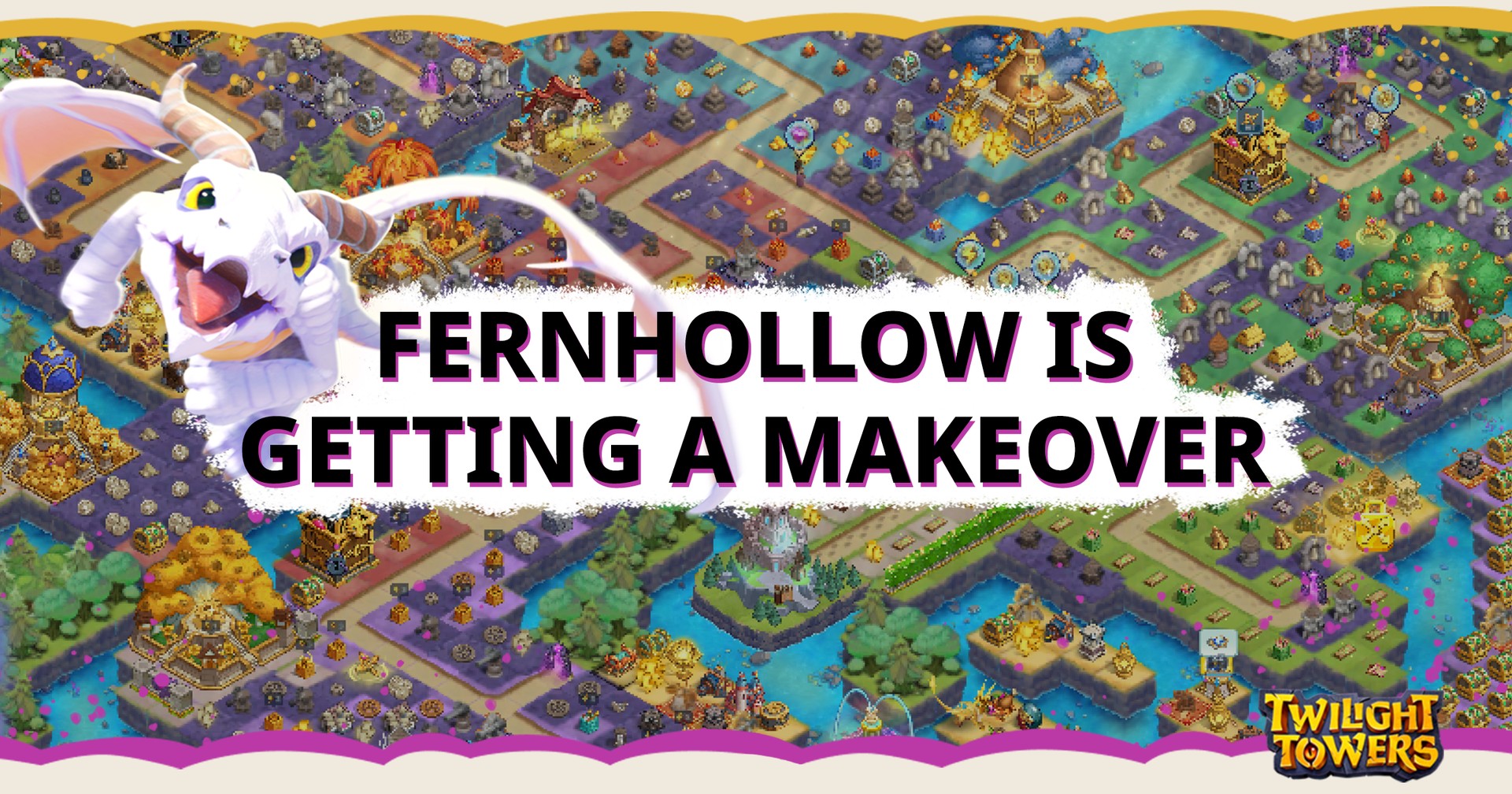
Fortis said that despite new features, redesigned systems and map changes, player retention simply wasn't strong enough to keep the game sustainable. Two other projects got even less far, according to data from analytics firm AppMagic cited by PocketGamer.biz: Bloom & Breakfast only reached early testing, and Mergemon Wilds didn't record any installs at all.
The bigger picture: a costly live-service experiment
The end of Fortis Games shows how risky the live-service market has become, even with a deep-pocketed backer. Without a successful launch, there was no revenue, and once Las Vegas Sands turned off the tap, it was apparently over overnight. We've looked at why new live-service games struggle so much in our pieces Live-Service-Spiele haben ein Problem and Live Service Failures: What the Industry Needs to Learn.
Twilight Towers players still have until November 16 before the game goes dark. For the up to 440 people affected, the closure comes just weeks before the end of the year.