 Lena Vogt
Cozy games look harmless. That is precisely the problem.
A farm, a town, friendship hearts, seasons: this kit sells so well that more and more new cozy games mostly reshuffle the building blocks of Stardew Valley. That is convenient – and that is why so little of it really sticks.
My thesis is an uncomfortable one, because the genre is booming. The games that last dare discomfort. They make room for goodbye, they put work and consumption on the table, or they tell a life without sanding every edge away. Plenty of follow-ups keep the comfort and drop the conflict. What remains is a feel-good package that already feels familiar.
What cozy games are selling right now
On February 26, 2026, writing on the official Stardew Valley site for the game's tenth anniversary, ConcernedApe said it had sold 50 million copies – “with no sign of slowing down.” That is the strongest official figure to date, and it explains why the market is crowded with successors.
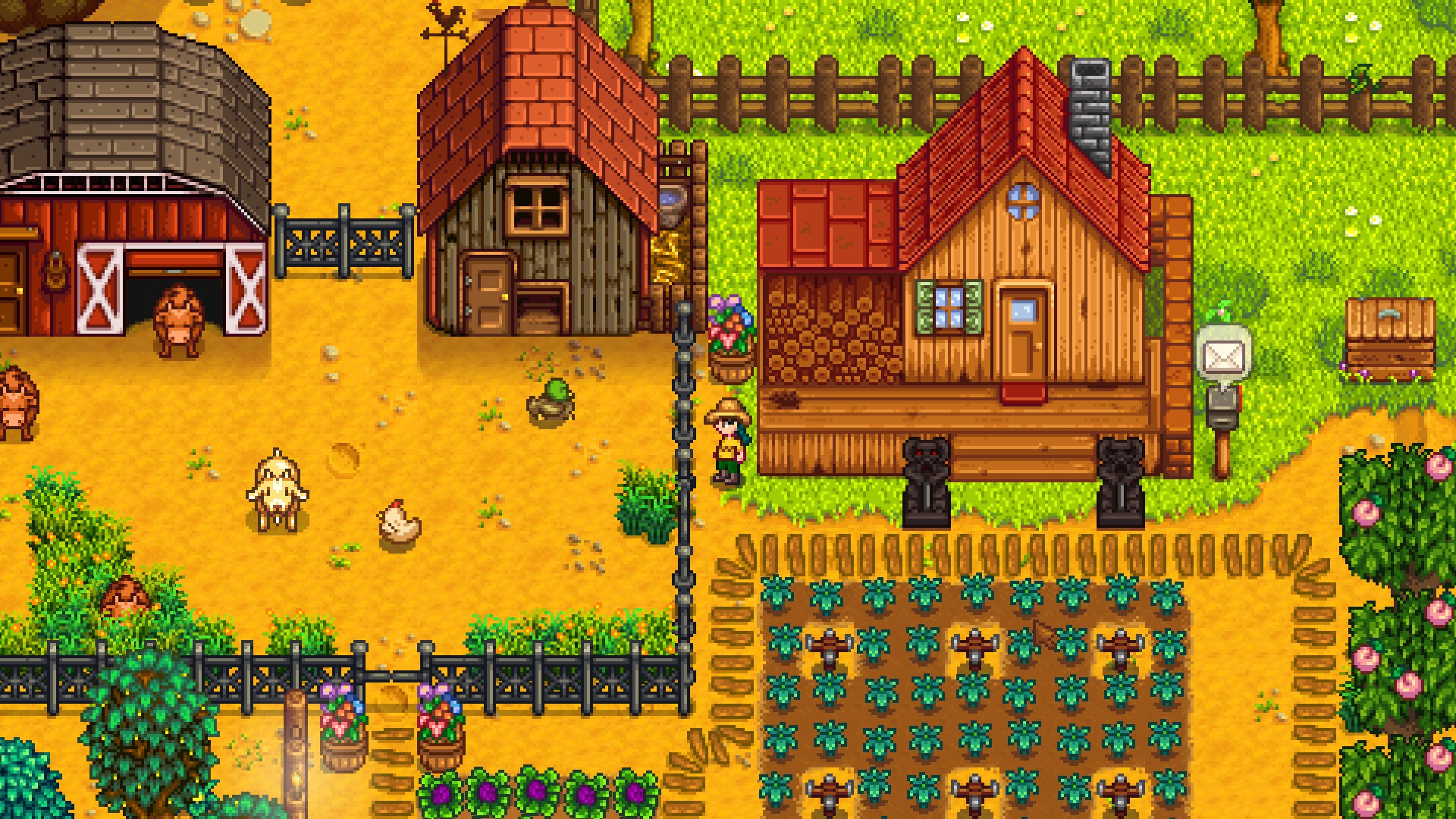
The official description lays out the recipe clearly: take over a farm, get to know more than 30 residents of Pelican Town, form relationships, fish, live by the seasons. That same description also names the Joja Corporation and a community center in ruins – more on that in a moment. The sales promise that stuck, though, is the soft one: country life, community, comfort.
Other store pages repeat that promise in almost the same register. Stairway Games officially pitches Coral Island as a chance to leave the big city behind, live the dream farm, look after animals, build relationships, join a community of more than 70 people, live with the seasons, and relax. Fae Farm, from Phoenix Labs, sells “the magical life of your dreams”: a cozy home, charming characters, deep relationships, changing seasons, a farm and a homestead.
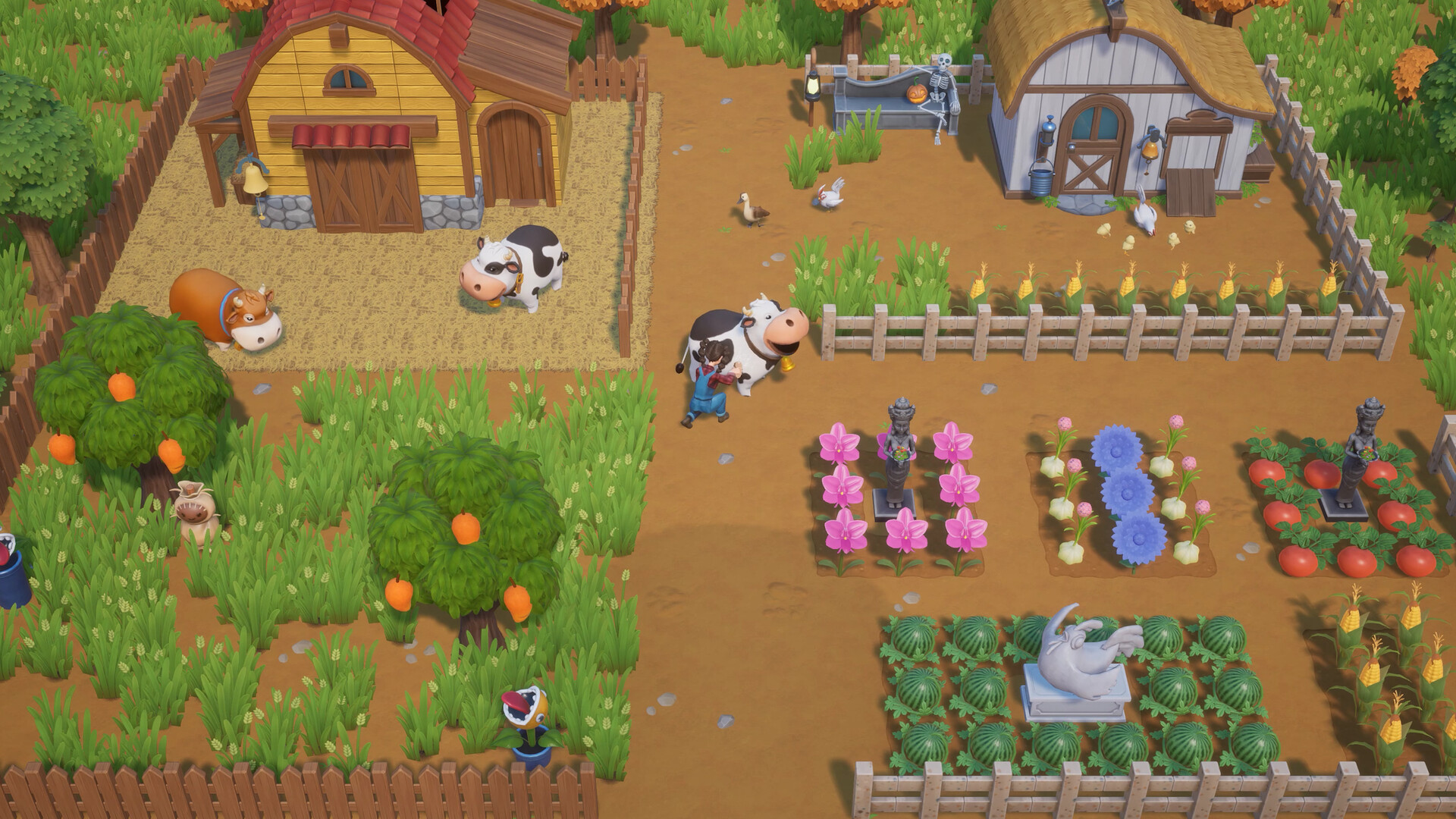
I am not accusing these games of having no conflict at all – I have not established that. What I can show is the marketing: they push the same comfort package that made Stardew Valley famous. Advertising like that promises familiarity first, not friction.
Stardew Valley was never just cozy
The original is less cuddly than its reputation suggests. The official description already names the Joja Corporation and the dilapidated community center. In developer update 20, posted on September 9, 2014, ConcernedApe explains why the community center has fallen into disrepair and why local shops suffer under Joja.
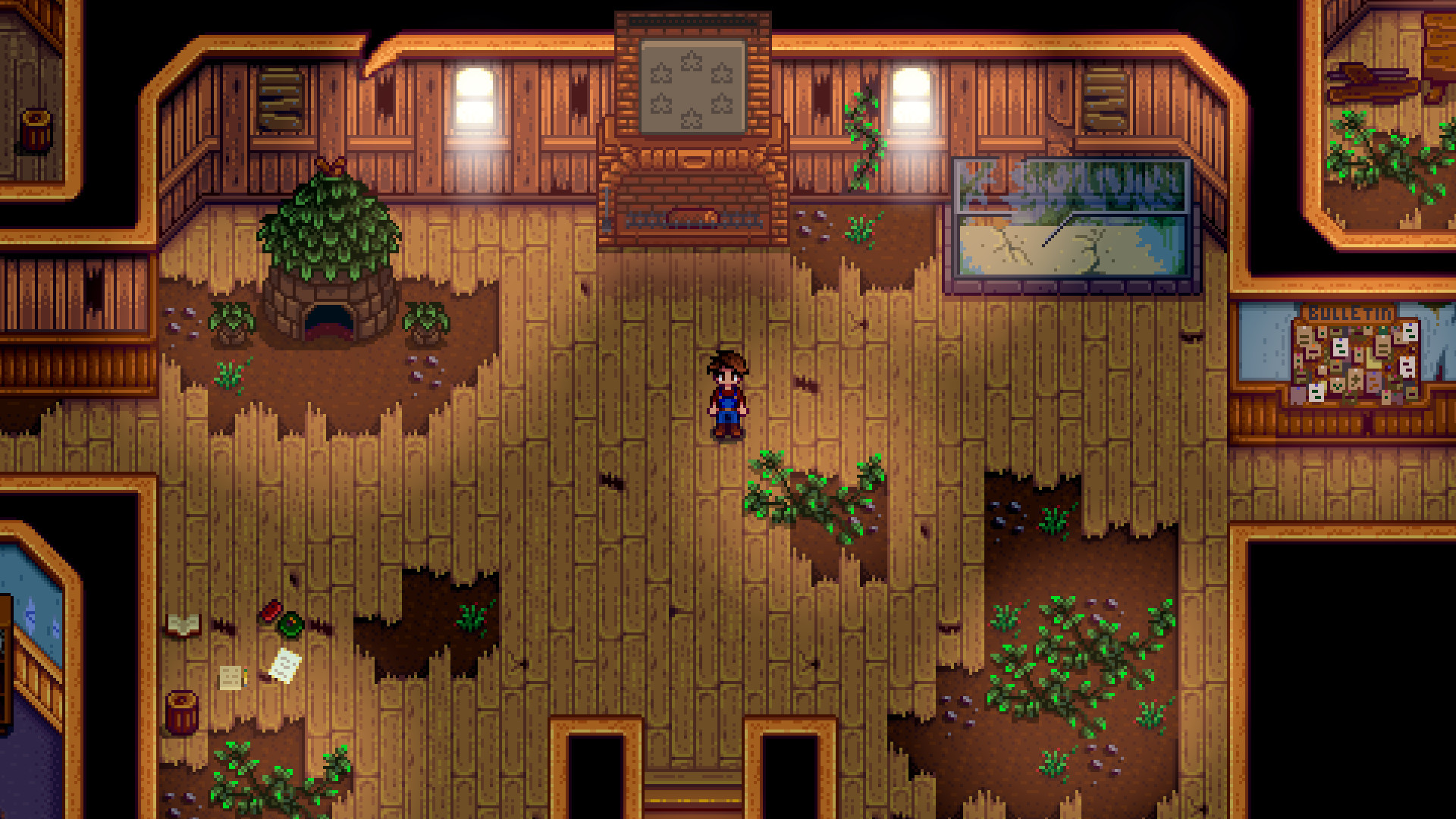
Players are given three paths: do nothing; restore the community center, after which JojaMart goes out of business; or spend money to expand Joja – and the community center is gone for good. ConcernedApe explicitly calls this a matter of “gameplay style and philosophical preference.” This is not just a decorated farm. It is a decision about community, capital, and what we are willing to give up.
Plenty of imitators keep the fields, the hearts, and the calendar. They leave the Joja question out. What remains feels like Stardew Valley – minus the part that gives the original its edge.
Spiritfarer names the discomfort out loud
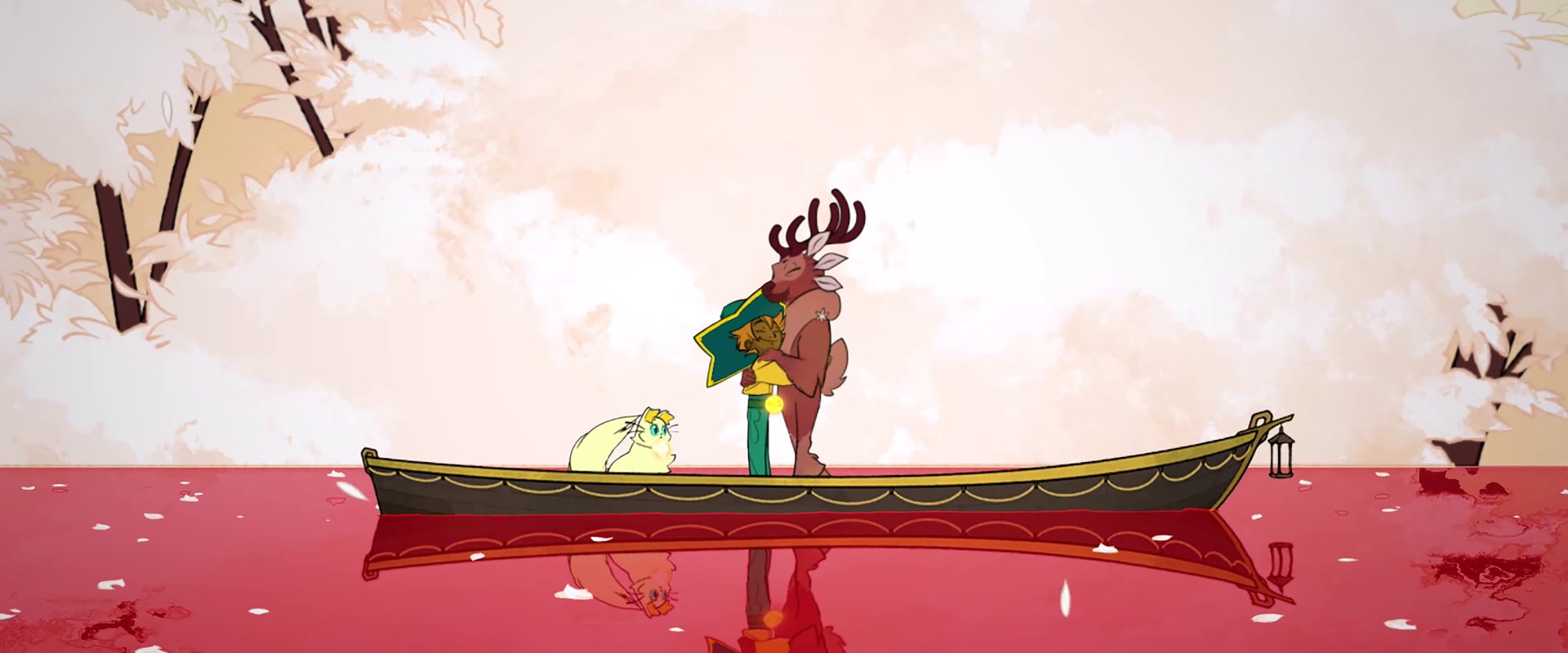
Thunder Lotus officially describes Spiritfarer as “a cozy management game about dying.” You care for your spirit friends and release them into the afterlife. The Farewell Edition is officially pitched as a game “beloved by over 1 million players.” Comfort and dying are not at odds here – they belong together.
Too few follow-ups take that risk. Goodbye is uncomfortable. Without it, care often shrinks to busywork: build beds, cook meals, fill hearts. Spiritfarer stays with you because that care has an ending. The official screenshots do not just show a houseboat; they also show the moment of letting go. That is comfort with a sting.
You do not need a farm, a town, and hearts
You do not have to copy the farm kit to be cozy. Officially, A Short Hike is a peaceful walk up Hawk Peak, with no need to rush. That is enough as a counterexample: comfort does not require crop rows or a town calendar. On its own, that is not evidence of discomfort – and I am not claiming it is.
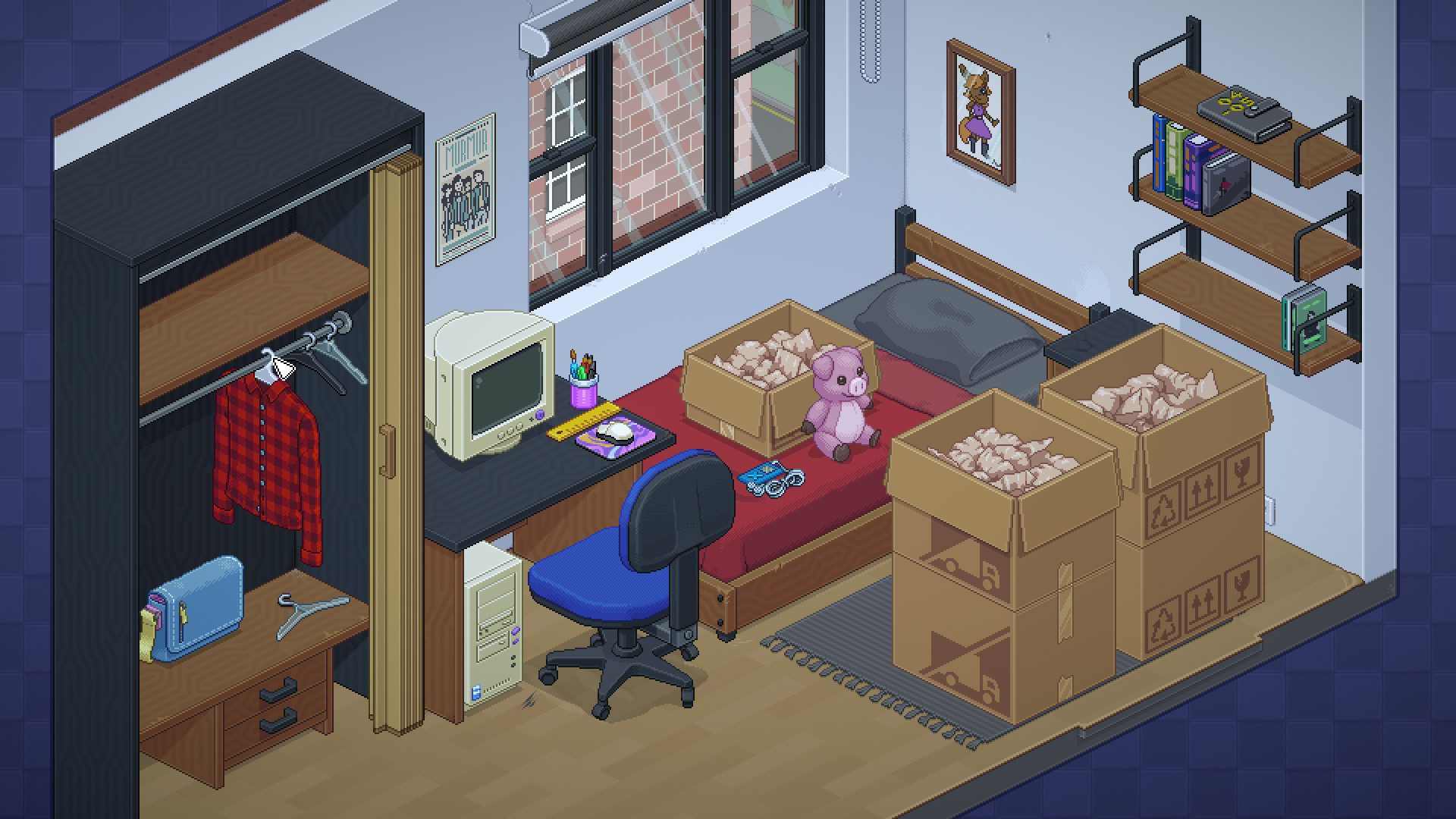
Unpacking, from Witch Beam, takes a different route. Officially it is a “zen puzzle” about taking things out of boxes. At the same time, the store text points to a life you are never told directly: intimacy with a character you never see, and items that get left behind. The discomfort is not a boss fight. It sits in what stays unpacked in the box.
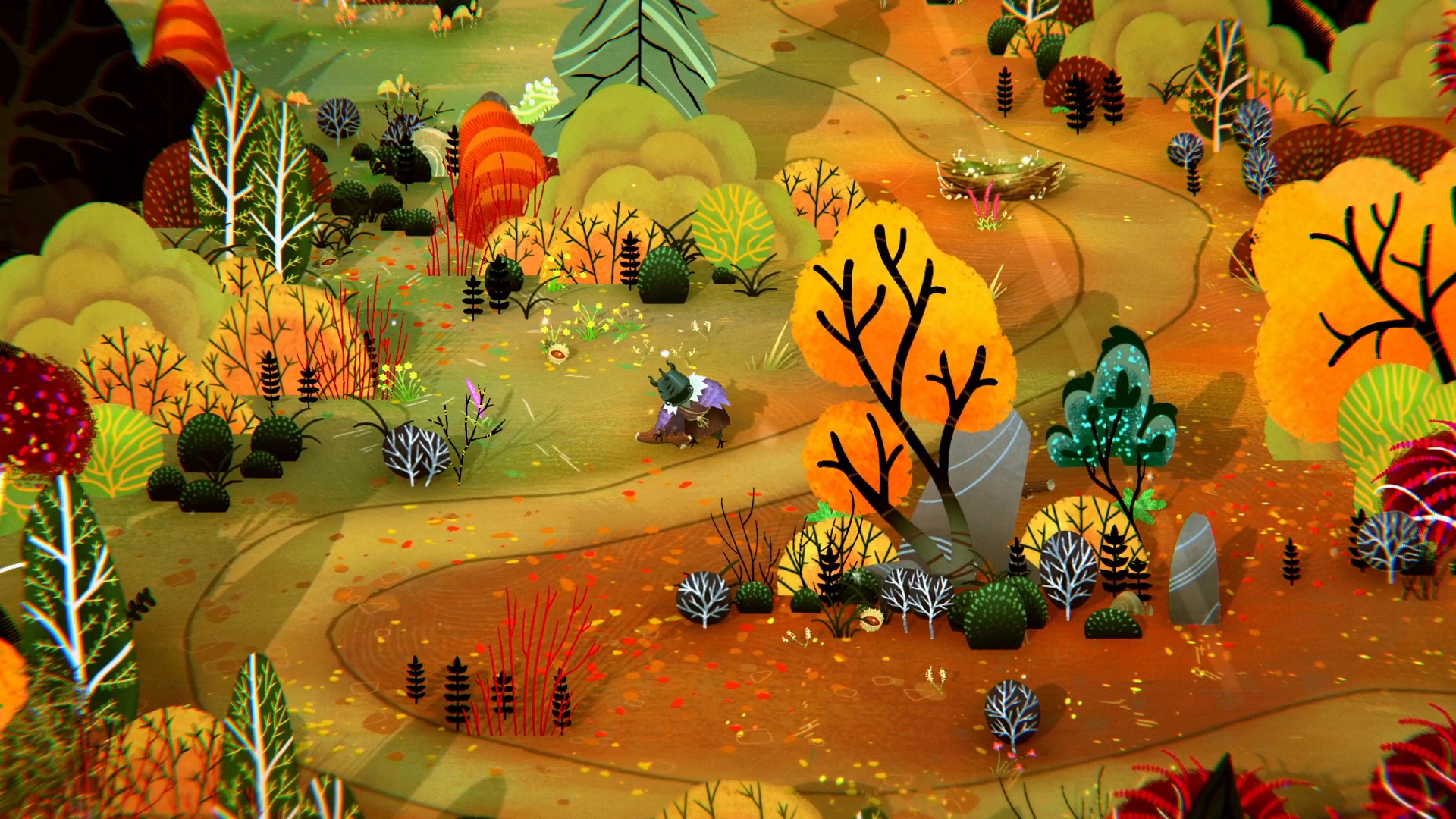
Wytchwood, from Alientrap, pushes even more clearly against pure cuddly aesthetics. Officially it is a game of gothic fables in which you pass “twisted judgement” and turn the greedy into frogs. There is room for the moral of the story. It is unhurried, not harmless.
My take: cozy games need more conflict
Cozy games deserve to be taken seriously – we have already made that case at PlayInsider, including in Why Cozy Games Are More Than Comfort Fluff. And yes, the market is crowded with farming sims that sound like Stardew Valley; more on that in Farming Sims: Too Many Stardew Clones?. My point sits next to those arguments, not on top of them. The problem is not only how many copies there are. The problem is that copies so often keep the comfort blocks and drop the discomfort that made the originals last.
I do not want less warmth in the genre. I want warmth to cost something. More courage for conflict, for goodbye, for the uncomfortable choice. Otherwise the most successful feel-good recipe of recent years remains a kit you snap together again and again – until it no longer feels like anything at all.