Felix Wagner
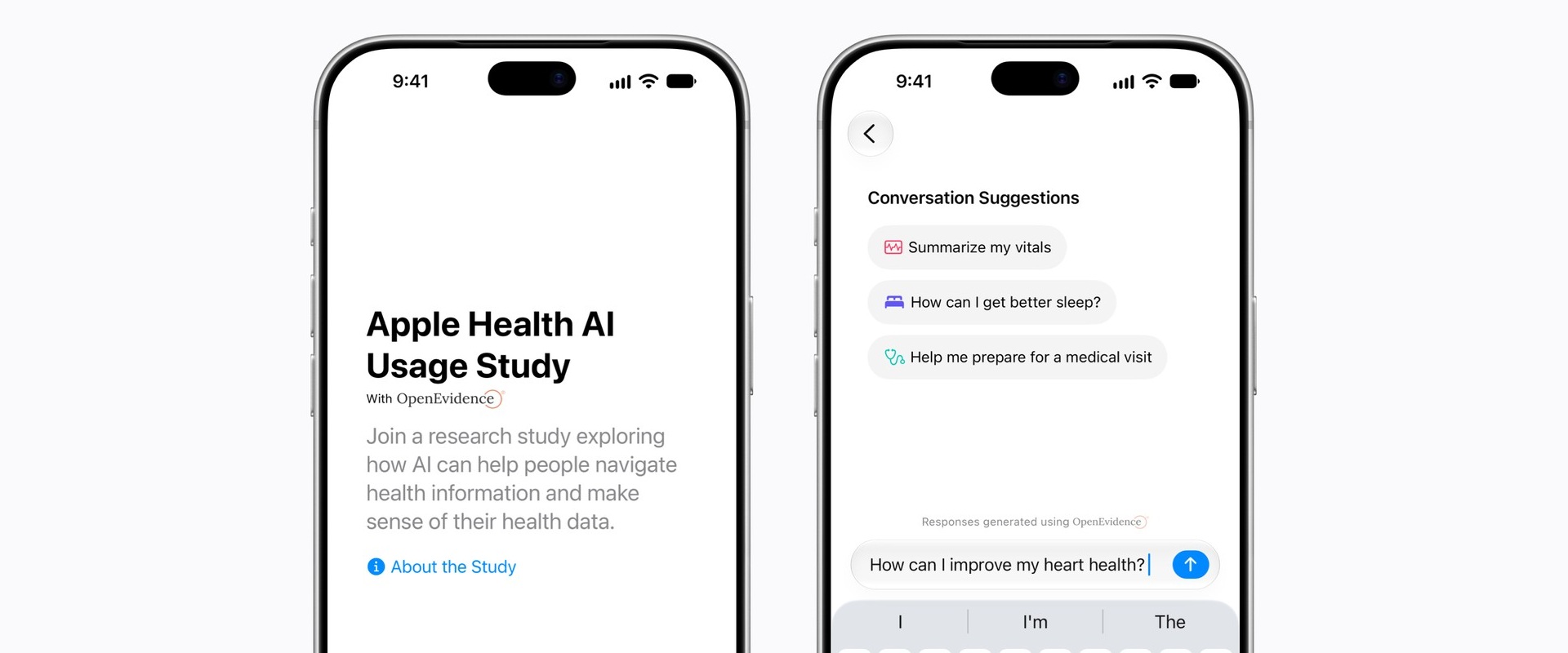
On November 15, 2026, Apple announced the Apple Health AI Usage Study. Together with OpenEvidence, the company wants to learn how people in the United States actually use conversational health AI — and what drives trust, comprehension, and the quality of the answers they get.
The announcement comes straight from the Apple Newsroom. This is not a new iPhone feature rolling out to everyone today. It is a virtual research study with its own app, built to inform how health AI experiences are designed — for Apple and for the industry.
What the Apple Health AI Usage Study is looking at
The study will examine what builds user trust, how good the AI responses are, how well people understand them, and what everyday health actions follow from that. Sumbul Desai, M.D., Apple’s vice president of Health and Fitness, put it this way:
At Apple, we believe responsible innovation starts with scientific rigor and clinical grounding. Health is deeply personal, and conducting a dedicated research study is the most thoughtful way to understand how people engage with, comprehend, and evaluate health AI in everyday life. Insights from this study will help advance the broader scientific conversation and ensure that as technology evolves, we continue building trusted tools that genuinely support people wherever they are on their health journey.
Sumbul Desai, M.D., vice president of Health and Fitness at Apple, in the Apple Newsroom (November 15, 2026)
The study app is built with OpenEvidence
Apple is running the study in collaboration with OpenEvidence, which it describes as a leading clinical AI platform widely used by healthcare professionals. The system generates answers from established sources such as The New England Journal of Medicine, the Journal of the American Medical Association, and Nature. The study pairs that medically grounded technology with a research experience designed by Apple.
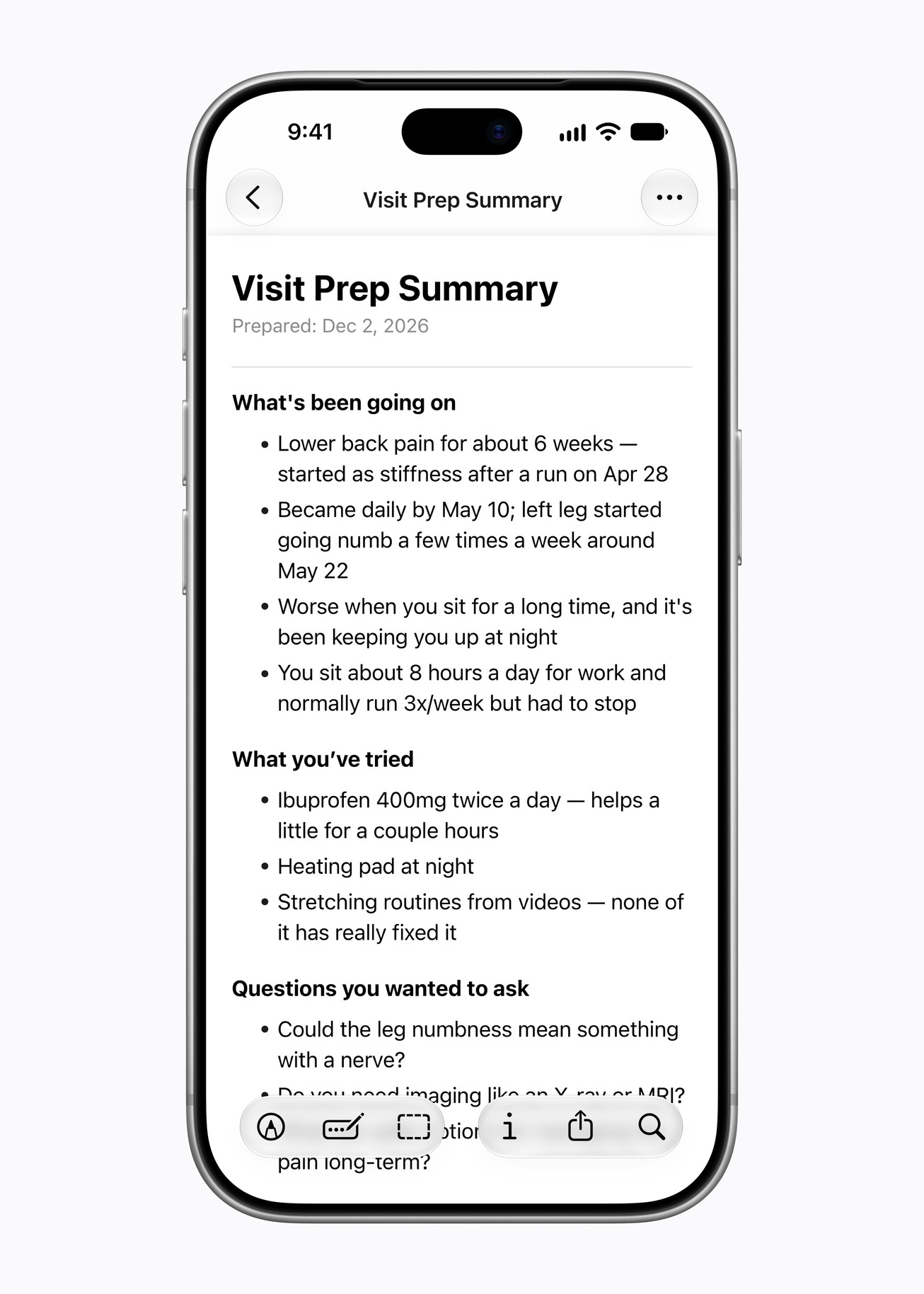
Participants can ask the app everyday health questions, explore complex medical information in approachable language, and see linked, peer-reviewed clinical citations behind each response. They can also choose to share HealthKit data — such as resting heart rate, activity, sleep, or lab results — to explore how personal data changes relevance and understanding. The study will also look at whether health AI can help people prepare more effectively for visits with their own doctors.
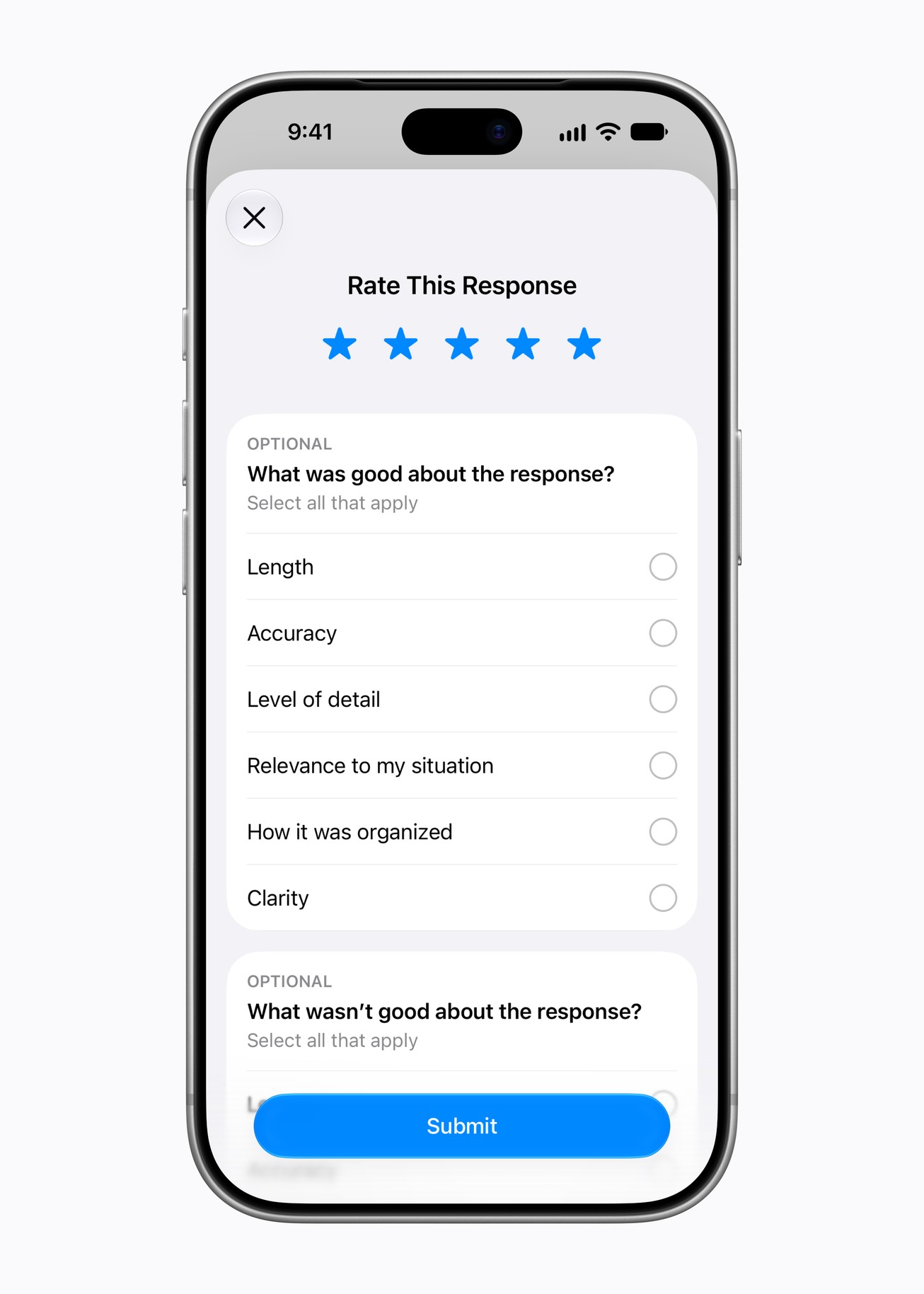
Apple notes that consumer health tools powered by large language models may at times give incomplete or unclear answers, which is why this kind of research matters. The study app is not meant to diagnose or treat any condition, and it does not replace advice from medical professionals. Safety guardrails are intended to catch certain concerning questions and point people toward a clinician or other resources.
Who can join, and what Apple says about privacy
The Apple Health AI Usage Study is open to up to 200,000 eligible participants age 21 and older in the United States. They need an Apple Intelligence-enabled iPhone — iPhone 15 Pro or later — running iOS 26 or later. To take part, they download the study app and choose to enroll. You can find more of our hardware and tech coverage in the Technik section.
Apple says the study was designed with privacy protections, transparency, and clinical guardrails, and that study data will not be used to train AI models. Participants keep control over whether they share HealthKit metrics or survey responses. The company also says it has put security measures in place to protect the study data it holds and the confidentiality of participants’ information.
Our take
We like that Apple is treating health AI as something to study properly, rather than shipping a polished chatbot and calling it a day. The door is still narrow, though: United States only, and only newer iPhones with Apple Intelligence. For readers outside that group, this is something to watch, not something to join today. The most important part, for us, is the plain language around limits — the data is not supposed to train models, and the app is not a stand-in for medical advice. On health, those caveats belong up front.